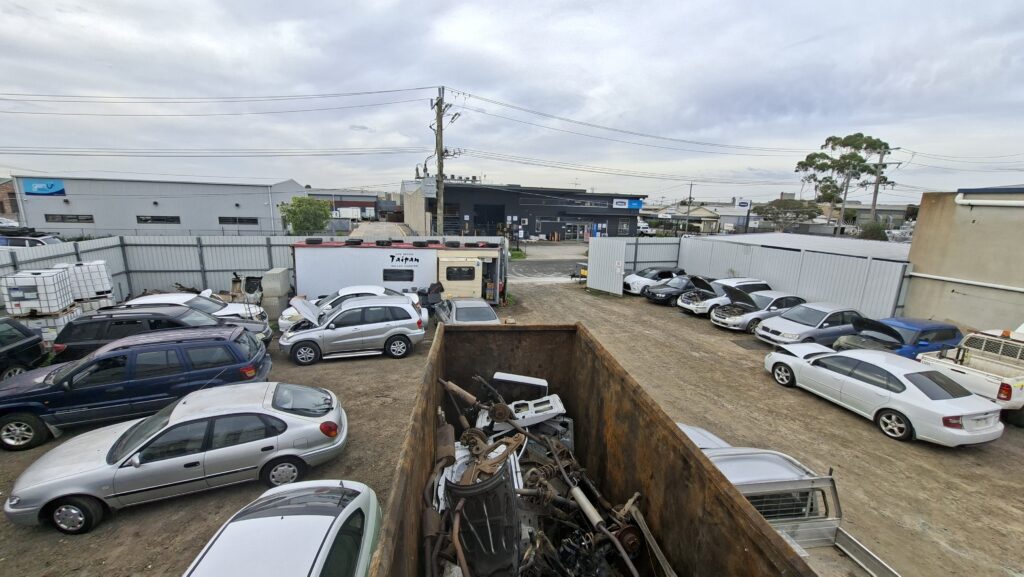
Every vehicle eventually reaches the point where keeping it on the road is no longer practical. It may have been damaged in an accident, suffered a major mechanical failure, become too expensive to repair, or simply reached the end of its lifespan. When this happens, many owners assume their vehicle has little or no value.
In reality, professional car wreckers in Geelong purchase a wide variety of vehicles every day. Their interest extends beyond whether a vehicle can still be driven. They assess reusable parts, recyclable materials, demand for components, and the overall recycling potential of each vehicle.
Understanding which vehicles are commonly accepted can help you decide whether your unwanted vehicle may still be worth selling instead of leaving it unused.
Quick Answer
Professional car wreckers in Geelong buy almost every type of vehicle, including old cars, scrap cars, accident-damaged vehicles, non-running cars, unregistered vehicles, SUVs, utes, vans, 4WDs, commercial vehicles, and some light trucks. Even vehicles with severe damage often retain value because of their reusable parts and recyclable materials.
Key Takeaways
- Most vehicle types are accepted regardless of age or condition.
- Running vehicles are not the only ones that have value.
- Auto wreckers focus on reusable parts and recyclable materials.
- Commercial vehicles, SUVs, and utes are also commonly purchased.
- Selling an unwanted vehicle supports responsible automotive recycling.
Why Do Car Wreckers Buy So Many Different Vehicles?
Unlike private buyers, professional vehicle recyclers are not only interested in roadworthy cars.
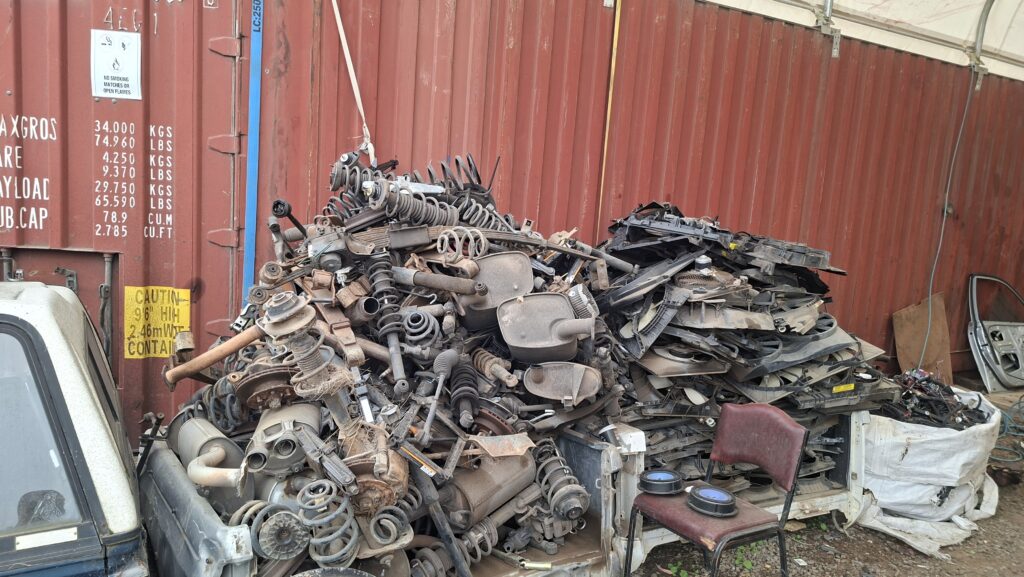
A vehicle can still contain valuable:
- Steel
- Aluminium
- Copper
- Engines
- Gearboxes
- Alternators
- Catalytic converters
- Suspension components
- Electronic modules
- Interior parts
Because of this, even vehicles that appear to have little value can still be useful for recycling and parts recovery.
Old Cars
Older vehicles are among the most common purchases made by Geelong car wreckers.
Many owners choose to sell older cars because:
- Maintenance costs continue increasing.
- Replacement parts become harder to find.
- Fuel efficiency declines.
- Reliability decreases.
Even if an older vehicle no longer performs well, it can still provide valuable recyclable materials.
Why Old Cars Are Still Valuable
Older vehicles often contain reusable mechanical components and large quantities of recyclable metal.
Scrap Cars
Scrap cars have reached the end of their usable life.
These vehicles may have:
- Severe rust
- Engine failure
- Transmission damage
- Structural problems
- Extensive wear
Although they are no longer practical to repair, professional auto wreckers recover valuable materials before recycling the remaining vehicle.
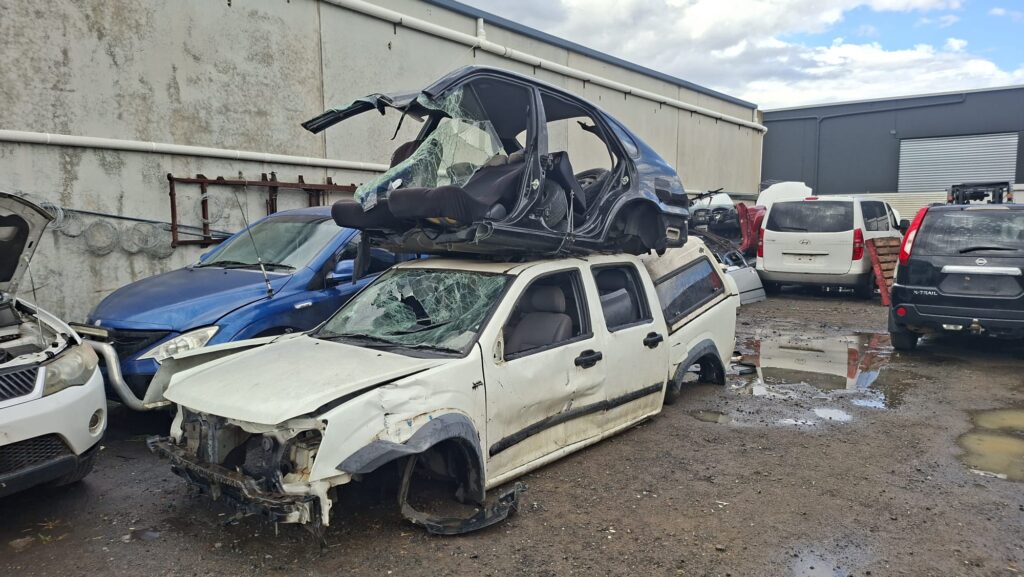
Accident-Damaged Vehicles
Collision damage is one of the most common reasons people contact car wreckers.
Vehicles may have:
- Front-end damage
- Rear-end damage
- Side impact damage
- Chassis damage
- Airbag deployment
Even when repairs are no longer economical, many components remain suitable for recycling or reuse.
Why Accident-Damaged Cars Are Purchased
Not every part is damaged during a collision.
Undamaged components can often be recovered while recyclable materials are processed responsibly.
Non-Running Vehicles
A vehicle doesn’t need to start to have value.
Many non-running cars suffer from:
- Engine failure
- Transmission failure
- Electrical problems
- Fuel system issues
- Cooling system failure
Professional vehicle recyclers evaluate the entire vehicle rather than focusing only on whether it can be driven.
Unregistered Vehicles
Registration status does not automatically determine a vehicle’s value.
Many owners stop renewing registration because:
- The vehicle is rarely used.
- Repair costs are too high.
- The vehicle is no longer roadworthy.
Professional car wreckers regularly purchase unregistered vehicles throughout Geelong.
SUVs and 4WDs
SUVs and four-wheel drives are popular because they often contain:
- Larger engines
- Heavy-duty suspension
- Aluminium components
- High-demand replacement parts
Their greater weight also means they contain more recyclable metal than many smaller passenger vehicles.
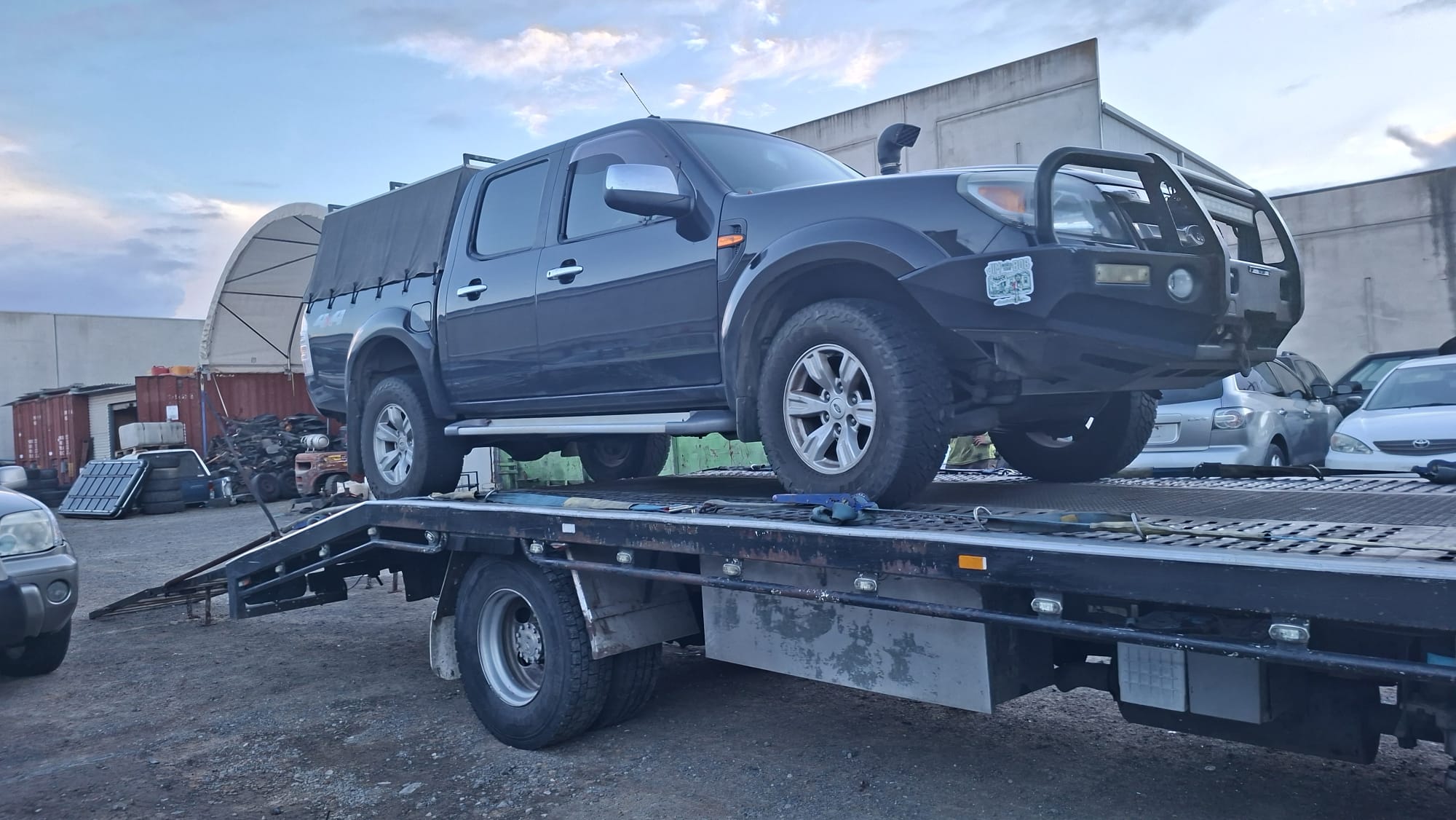
Utes
Utes remain one of Australia’s most popular vehicle types.
Many utes are sold because of:
- High mileage
- Commercial wear
- Accident damage
- Mechanical failure
Professional wreckers recover valuable parts such as trays, differentials, gearboxes, engines, and body panels.
Vans and People Movers
Vans are widely used by families, tradespeople, delivery services, and local businesses throughout Geelong. Due to their heavy usage, they often reach the end of their service life sooner than privately owned passenger cars.
Professional auto wreckers in Geelong commonly purchase:
- Cargo vans
- Passenger vans
- Mini vans
- Delivery vans
Even if a van has engine failure or significant body damage, it may still contain valuable parts that can be reused or recycled.
Common Reusable Components
- Sliding doors
- Tailgates
- Engines
- Gearboxes
- Wheels
- Electrical components
- Interior fittings
Commercial Vehicles
Businesses regularly replace older fleet vehicles to improve efficiency and reduce maintenance costs.
Professional vehicle recyclers often purchase:
- Company cars
- Fleet vehicles
- Utility vehicles
- Light commercial trucks
- Trade vehicles
Commercial vehicles usually contain high-quality mechanical components that remain valuable even after years of service.
Flood-Damaged Vehicles
Flood damage can affect almost every system in a vehicle, including the engine, electronics, and interior.
Although repairing a flood-damaged vehicle is often expensive, many of its components can still be recycled or recovered where appropriate.
Professional car wreckers inspect each vehicle individually before determining which materials can be safely reused.
Fire-Damaged Vehicles
Fire-damaged vehicles may appear beyond repair, but they can still contain recyclable metals and salvageable components.
Depending on the level of damage, auto wreckers may recover:
- Steel body panels
- Aluminium parts
- Wheels
- Suspension components
- Selected mechanical parts
The remaining materials are processed through environmentally responsible recycling methods.
Written-Off Vehicles
Insurance companies may declare a vehicle a total loss after a serious accident or major damage.
Even when a vehicle is written off, it still has recycling value because of its:
- Metal content
- Mechanical components
- Reusable assemblies
- Replacement parts
Many written-off vehicles are purchased by professional Geelong car wreckers for dismantling and recycling.
Hybrid and Electric Vehicles
As hybrid and electric vehicles become more common across Australia, vehicle recyclers continue developing specialist recycling processes.
These vehicles may contain:
- High-voltage battery systems
- Electric motors
- Advanced electronic modules
- Aluminium body components
Special handling procedures ensure these vehicles are dismantled safely while recovering valuable materials.
Do Car Wreckers Buy Every Car Brand?
In most cases, yes.
Professional auto wreckers generally purchase vehicles from a wide range of manufacturers, including:
- Toyota
- Ford
- Holden
- Mazda
- Hyundai
- Kia
- Nissan
- Mitsubishi
- Honda
- Subaru
- Volkswagen
- BMW
- Mercedes-Benz
- Audi
- Isuzu
- Lexus
The make or model is only one factor. The vehicle’s condition, demand for parts, and recycling potential are also considered.
How Do Car Wreckers Decide Whether to Buy a Vehicle?
Every vehicle is assessed individually.
Common evaluation factors include:
| Assessment Factor | Why It Matters |
|---|---|
| Make and Model | Demand for replacement parts |
| Vehicle Age | Availability and condition of components |
| Mechanical Condition | Potential for reusable parts |
| Accident Damage | Determines recoverable materials |
| Registration Status | Helps identify vehicle history |
| Metal Content | Influences recycling value |
| Market Demand | Affects overall vehicle assessment |
Why Professional Car Wreckers Accept So Many Vehicles
Unlike private buyers, professional recyclers focus on the total value of a vehicle rather than its roadworthiness.
They recover:
- Reusable auto parts
- Ferrous metals
- Non-ferrous metals
- Plastic components
- Glass
- Rubber
- Electronic modules
This comprehensive recycling process allows vehicles in almost every condition to retain value.
Common Misconceptions
“Only Running Cars Can Be Sold”
This is one of the most common myths.
Many vehicles that no longer start still contain valuable recyclable materials and reusable components.
“Older Vehicles Have No Value”
Age alone does not determine value.
Many older vehicles contain engines, transmissions, catalytic converters, and metals that remain useful.
“Accident-Damaged Cars Must Be Repaired First”
Repairing a severely damaged vehicle is not always the most practical option.
Professional car wreckers purchase many accident-damaged vehicles in their existing condition.
Expert Tips Before Selling Your Vehicle
To make the process easier:
- Gather your vehicle information.
- Check for personal belongings.
- Remove valuable accessories if you wish to keep them.
- Be honest about the vehicle’s condition.
- Compare reputable local car wreckers before making your decision.
Being prepared helps create a smoother transaction.
People Also Ask
Do Geelong car wreckers buy vehicles that no longer run?
Yes. Most professional car wreckers purchase non-running vehicles regardless of their mechanical condition.
Can I sell an accident-damaged vehicle?
Yes. Accident-damaged vehicles are commonly purchased because many components can still be reused or recycled.
Are commercial vehicles accepted?
Yes. Fleet vehicles, vans, utes, and light commercial vehicles are frequently purchased by professional auto wreckers.
Do auto wreckers buy unregistered vehicles?
Yes. Registration status does not prevent many vehicle recyclers from purchasing a vehicle, provided ownership can be verified.
Are hybrid vehicles accepted?
Many professional recyclers now purchase hybrid and electric vehicles using specialist dismantling procedures.
Frequently Asked Questions
Which vehicles are most commonly sold to car wreckers?
Old cars, scrap cars, accident-damaged vehicles, non-running cars, SUVs, utes, vans, commercial vehicles, and unregistered vehicles.
Does vehicle age matter?
Age is only one factor. The overall condition and recycling potential are usually more important.
Can heavily damaged vehicles still have value?
Yes. Many damaged vehicles contain reusable parts and recyclable materials.
Why do car wreckers buy vehicles that cannot be repaired?
Because many valuable components can still be recovered before the remaining materials are recycled.
What happens after the vehicle is collected?
The vehicle is inspected, reusable parts are removed, hazardous materials are managed safely, and recyclable materials are processed through approved recycling methods.
Final Thoughts
Professional car wreckers in Geelong purchase far more than just old cars. From non-running vehicles and accident-damaged cars to commercial vans, SUVs, flood-damaged vehicles, and written-off cars, almost every vehicle has some level of recycling value.
Understanding the types of vehicles accepted helps owners make informed decisions instead of leaving unwanted vehicles unused. By working with experienced auto wreckers, you can ensure your vehicle is handled responsibly while supporting sustainable automotive recycling throughout Geelong.