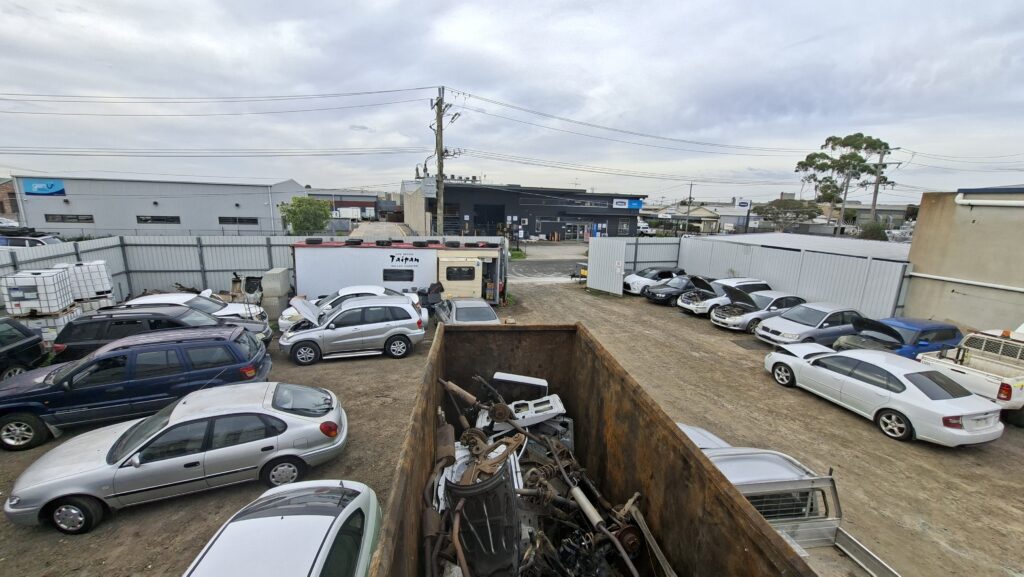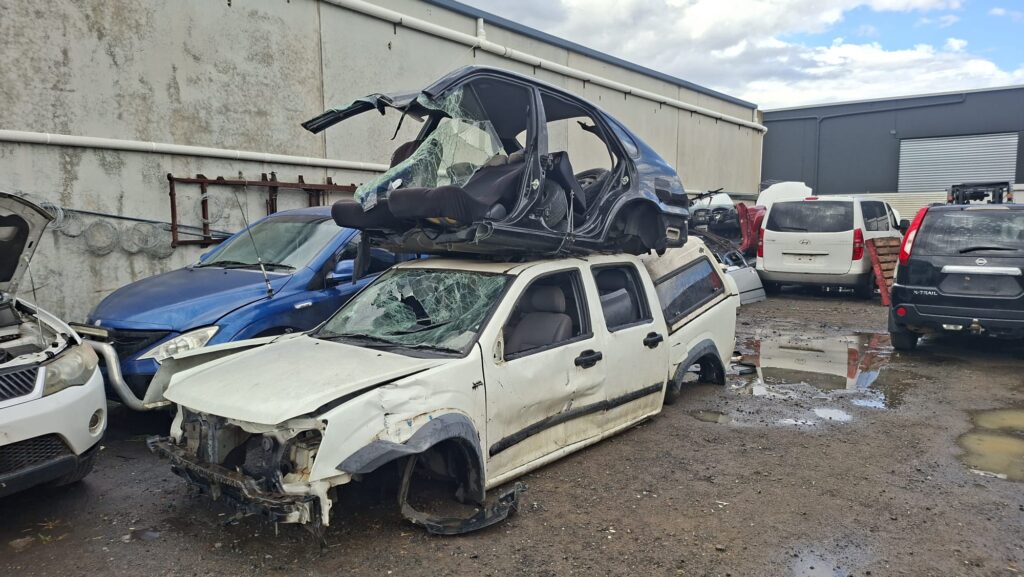
Many vehicle owners know what happens before their unwanted car is collected, but very few know what happens after it leaves their driveway. Once your old, damaged, or non-running vehicle is picked up, it enters a carefully managed recycling process designed to recover valuable materials, protect the environment, and reduce landfill waste.
Professional car wreckers in Geelong don’t simply crush vehicles. Instead, every car goes through multiple stages, including inspection, dismantling, parts recovery, hazardous waste management, metal recycling, and responsible disposal. This process ensures that as much of the vehicle as possible is reused or recycled.
Understanding what happens after vehicle removal helps explain why unwanted cars continue to hold value, even when they are no longer roadworthy.
Quick Answer
After your vehicle is removed, professional Geelong car wreckers inspect it, recover reusable parts, safely remove hazardous materials, recycle valuable metals, and responsibly dispose of any remaining waste. This process helps reduce landfill, conserve natural resources, and support Australia’s automotive recycling industry.
Key Takeaways
- Every vehicle follows a structured recycling process.
- Reusable parts are removed before recycling begins.
- Hazardous fluids are safely managed.
- Metals such as steel and aluminium are recycled.
- Responsible recycling reduces environmental impact.
- Even heavily damaged vehicles can provide valuable resources.
Why Vehicles Are Recycled Instead of Sent to Landfill
Modern vehicles contain hundreds of components made from materials that can often be reused or recycled.
These include:
- Steel
- Aluminium
- Copper
- Plastic
- Glass
- Rubber
- Electronic components
Sending these materials directly to landfill would waste valuable resources and create unnecessary environmental problems.
Professional vehicle recycling helps recover these materials for future use.
Step 1 – Vehicle Inspection
After arriving at the recycling facility, the vehicle undergoes a detailed inspection.
Technicians identify:
- Mechanical condition
- Structural damage
- Missing components
- Reusable parts
- Recyclable materials
This inspection determines how the vehicle will move through the recycling process.
Why Inspection Matters
Every vehicle is different.
Some contain a large number of reusable components, while others provide greater recycling value through their metal content.
Step 2 – Documentation and Vehicle Identification
Before dismantling begins, the vehicle’s information is verified.
This may include:
- Make
- Model
- Manufacturing year
- Vehicle Identification Number (VIN)
- Registration status (where applicable)
Accurate identification helps ensure the correct handling of the vehicle throughout the recycling process.
Step 3 – Safe Removal of Hazardous Fluids
Vehicles contain several fluids that require careful handling.
These commonly include:
- Engine oil
- Coolant
- Brake fluid
- Transmission fluid
- Fuel
- Power steering fluid
- Windshield washer fluid
Professional recyclers remove these fluids using specialised equipment before dismantling the vehicle.
Environmental Importance
Proper fluid management helps protect:
- Soil
- Groundwater
- Local waterways
- Wildlife
It also supports environmentally responsible vehicle recycling practices.
Step 4 – Battery Removal
Vehicle batteries require separate handling because they contain materials that should not enter landfill.
During this stage:
- Batteries are removed.
- They are inspected for recycling.
- Recoverable materials are processed through approved recycling systems.
Battery recycling helps reduce environmental pollution while recovering valuable materials.
Step 5 – Tyre and Wheel Removal
Tyres are removed before the vehicle body is processed.
Depending on their condition, tyres may be:
- Reused
- Recycled
- Processed into other rubber products
Wheels are also inspected before being recycled or reused.
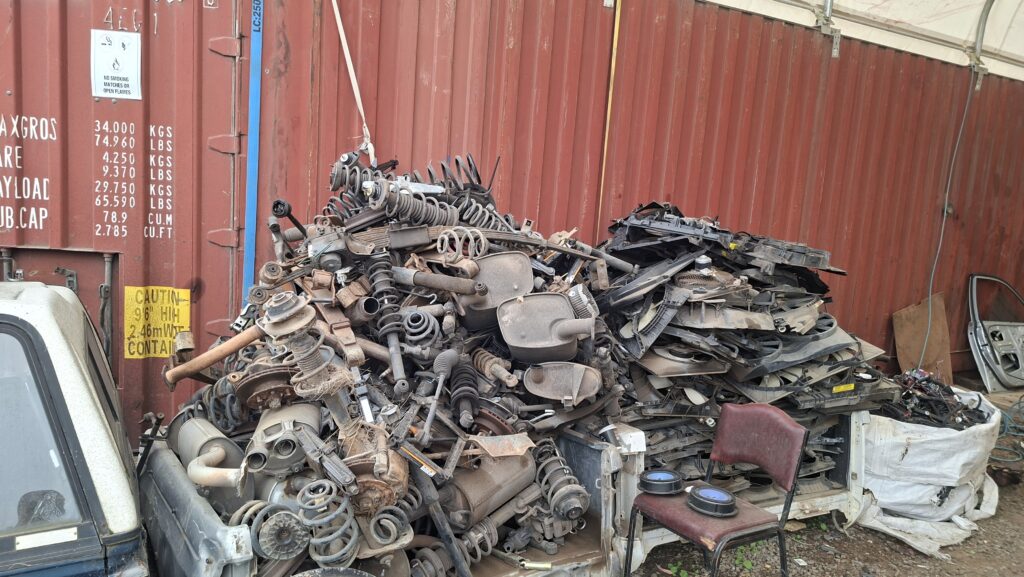
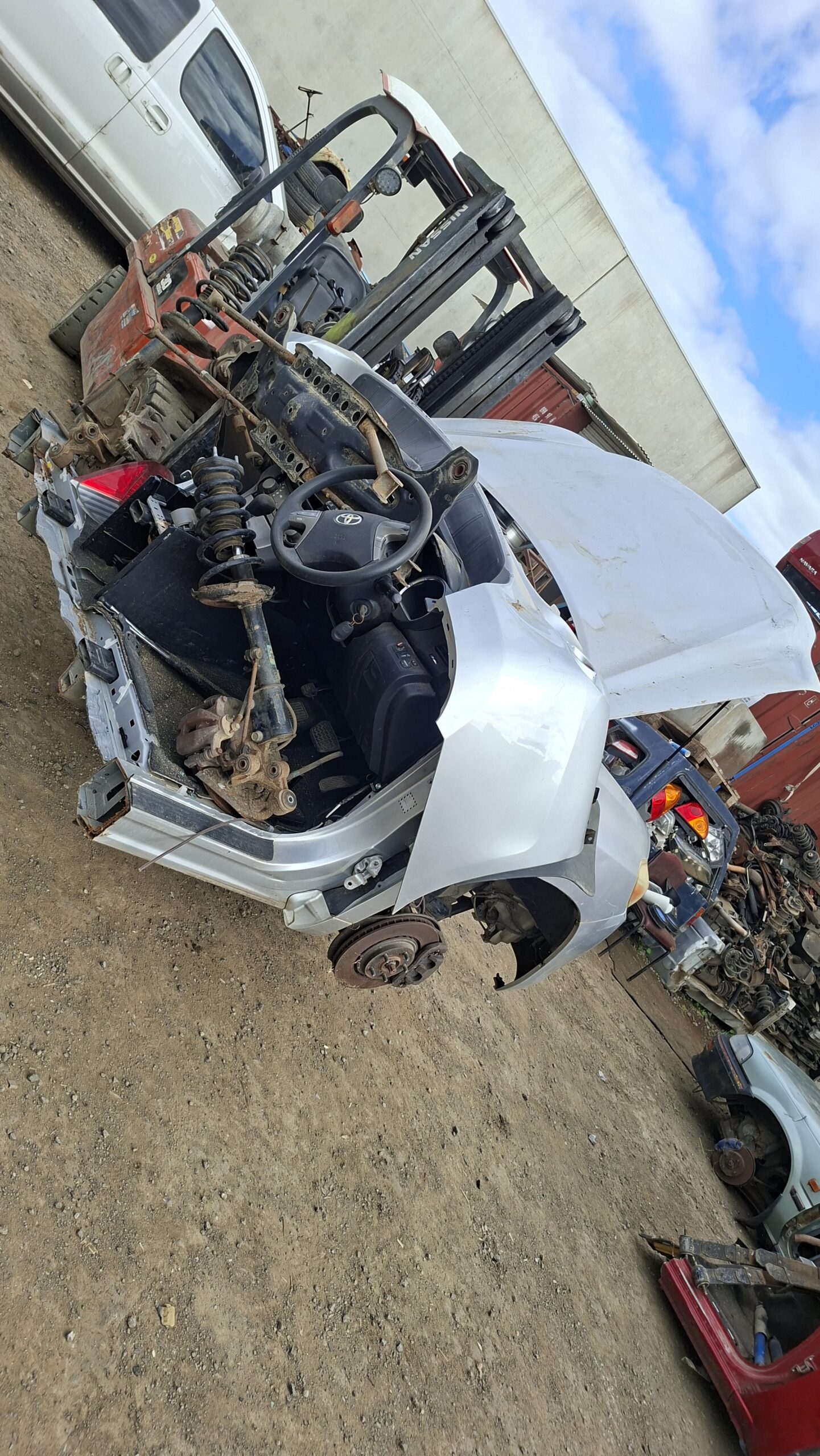
Step 6 – Recovering Reusable Auto Parts
This is one of the most valuable stages of the recycling process.
Professional auto wreckers in Geelong remove components that remain in good working condition.
Commonly recovered parts include:
- Engines
- Gearboxes
- Alternators
- Starter motors
- Radiators
- Doors
- Headlights
- Tail lights
- Mirrors
- Suspension components
- Air conditioning systems
- Interior trim
These components help reduce manufacturing demand while providing affordable replacement parts.
Why Parts Recovery Matters
Recovering reusable parts extends the life of automotive components and reduces waste.
Instead of manufacturing every replacement part from new raw materials, existing components can continue serving other vehicles.
This supports a more sustainable automotive industry.
Step 7 – Metal Recycling Begins
Once all reusable parts and hazardous materials have been removed, the remaining vehicle shell is prepared for metal recycling.
Cars are primarily made from recyclable metals, including:
- Steel
- Aluminium
- Copper
- Cast Iron
These materials can be processed and used again in manufacturing, reducing the need to extract new raw materials.
Why Metal Recycling Is Important
Recycling metal uses significantly less energy than producing new metal from mined ore. It also helps conserve natural resources and lowers the environmental impact of manufacturing.
Step 8 – Vehicle Crushing and Shredding
After dismantling, the remaining vehicle body is sent for crushing and shredding.
This stage reduces the vehicle into smaller pieces, making it easier to separate different materials.
Modern recycling facilities use advanced equipment to maximise material recovery while minimising waste.
What Happens During Shredding?
The vehicle shell is broken down into small fragments so that recyclable materials can be sorted efficiently.
Step 9 – Material Separation
Once the vehicle has been shredded, different materials are separated using specialised recycling technology.
Materials commonly recovered include:
- Steel
- Aluminium
- Copper
- Plastic
- Glass
- Rubber
Each material follows its own recycling pathway, allowing valuable resources to be reused in future manufacturing.
Step 10 – Recycling Into New Products
Recovered materials don’t go to waste. Instead, they are processed and transformed into raw materials for new products.
Recycled automotive metals may be used in:
- New vehicles
- Construction materials
- Household appliances
- Industrial equipment
- Infrastructure projects
This circular recycling process helps reduce waste while supporting sustainable manufacturing.
How Vehicle Recycling Benefits the Environment
Professional car wreckers in Geelong play an important role in environmental protection.
Responsible recycling helps:
- Reduce landfill waste.
- Recover valuable natural resources.
- Minimise pollution.
- Lower energy consumption.
- Reduce demand for newly mined metals.
- Support Australia’s circular economy.
Every unwanted vehicle that is recycled responsibly contributes to a cleaner and more sustainable future.
What Percentage of a Vehicle Can Be Recycled?
Modern vehicles are designed with recycling in mind.
A large percentage of a vehicle’s materials can often be recovered through responsible dismantling and recycling processes.
Common recyclable materials include:
- Steel
- Aluminium
- Copper
- Glass
- Rubber
- Plastic
The exact percentage depends on the vehicle’s age, condition, and components.
Vehicle Recycling Process at a Glance
| Stage | Purpose |
|---|---|
| Vehicle Inspection | Identify reusable parts and recyclable materials |
| Documentation | Verify vehicle information |
| Fluid Removal | Protect the environment from hazardous waste |
| Battery Removal | Safely recycle battery materials |
| Parts Recovery | Remove reusable automotive components |
| Metal Recycling | Recover valuable metals |
| Crushing & Shredding | Prepare materials for separation |
| Material Separation | Sort metals, plastics, glass, and rubber |
| Manufacturing | Recycled materials become new products |
Common Myths About Vehicle Recycling
Myth 1 – Cars Are Simply Crushed Immediately
This is incorrect.
Professional auto wreckers inspect and dismantle vehicles before any crushing takes place. Valuable parts are recovered first.
Myth 2 – Old Cars Have No Recycling Value
Even vehicles that no longer run often contain recyclable metals and reusable components.
Myth 3 – Recycling Only Benefits Car Wreckers
Vehicle recycling benefits manufacturers, repairers, consumers, and the environment by conserving resources and reducing waste.
Myth 4 – Every Part Is Thrown Away
Many components are inspected and recovered before the remaining materials are recycled.
Expert Tips Before Selling Your Vehicle
To help make the recycling process smoother:
- Remove all personal belongings.
- Check the glove box, boot, and under the seats.
- Remove personal accessories you want to keep.
- Gather any available ownership documents.
- Be honest about the vehicle’s condition.
- Choose experienced Geelong car wreckers that follow responsible recycling practices.
People Also Ask
What happens after my car is collected?
It is inspected, dismantled, reusable parts are removed, hazardous materials are safely managed, and the remaining materials are recycled.
Are reusable parts removed before crushing?
Yes. Professional vehicle recyclers recover reusable components before the vehicle body is processed.
Why are vehicle fluids removed first?
Hazardous fluids must be managed safely to protect the environment and comply with recycling standards.
Can damaged vehicles still be recycled?
Yes. Most damaged vehicles contain valuable recyclable metals and reusable parts.
What happens to recycled vehicle metals?
They are processed and reused in manufacturing new vehicles, construction materials, and other industrial products.
Frequently Asked Questions
How long does the recycling process take?
The timeframe varies depending on the vehicle’s condition and the recycling facility’s processes.
Do all vehicles follow the same recycling process?
While every vehicle is assessed individually, most follow the same general stages of inspection, dismantling, recycling, and material recovery.
Why are reusable parts removed first?
Recovering reusable parts helps reduce waste and provides affordable replacement components for other vehicles.
Can tyres and batteries be recycled?
Yes. Tyres, batteries, and many other vehicle components are processed through specialised recycling systems.
Is vehicle recycling environmentally friendly?
Yes. Responsible recycling conserves natural resources, reduces landfill waste, and lowers the demand for newly produced raw materials.
Final Thoughts
Once your unwanted vehicle leaves your property, its journey is far from over. Professional car wreckers in Geelong carefully inspect, dismantle, and recycle vehicles to recover valuable materials and reusable components before responsibly processing the remaining structure.
This organised recycling process not only helps reduce waste but also supports a more sustainable automotive industry. Whether your car is old, accident-damaged, non-running, or no longer roadworthy, responsible vehicle recycling ensures it continues to provide value long after its final drive.