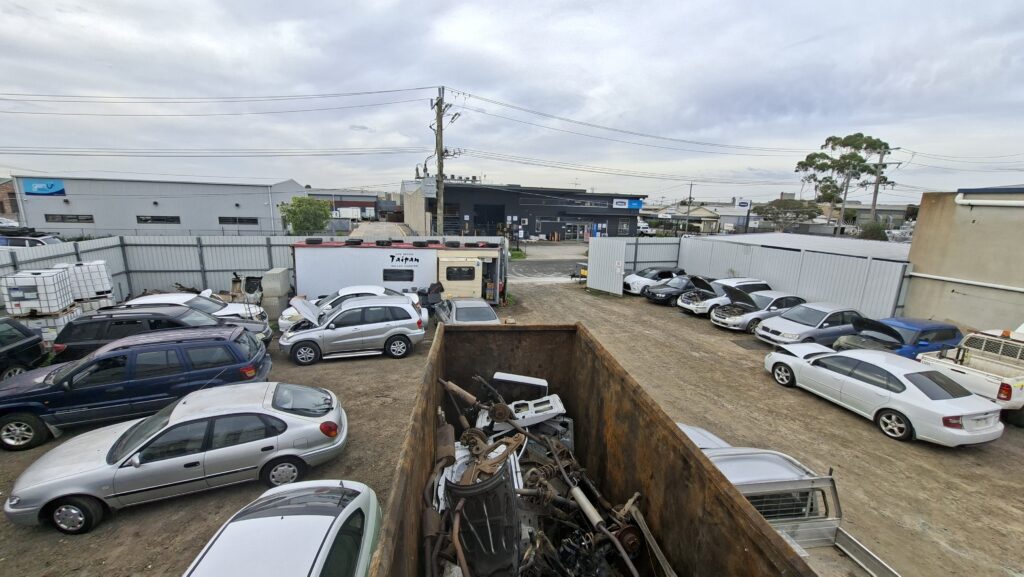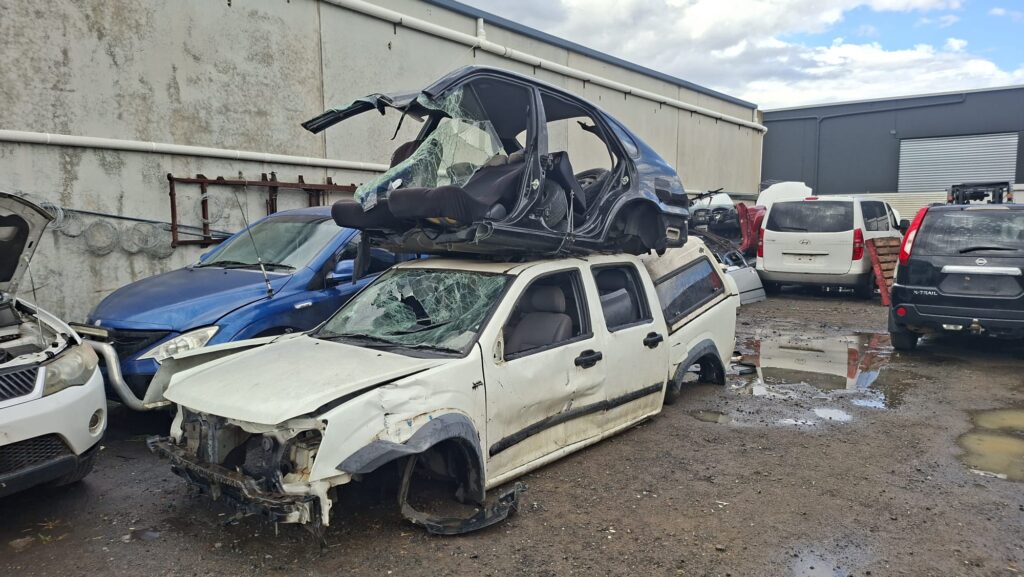
When people search “scrap my car,” they usually focus on the selling process and how quickly they can remove an unwanted vehicle. However, very few know what actually happens after the car is collected.
An end-of-life vehicle doesn’t simply disappear. Instead, it enters a structured recycling process where reusable parts are recovered, hazardous materials are removed safely, and valuable metals are prepared for future manufacturing. This process helps reduce waste, conserve natural resources, and support a more sustainable automotive industry.
If you’ve ever wondered where your vehicle goes after collection, this guide explains each stage of the journey.
Quick Answer
After you scrap your car, it is transported to a vehicle recycling facility where it is inspected, depolluted, dismantled, and processed. Reusable parts are recovered, hazardous fluids are removed safely, and recyclable materials such as steel, aluminium, and copper are separated for future use.
Key Takeaways
- Every scrap vehicle follows a structured recycling process.
- Reusable parts are removed before the vehicle is recycled.
- Hazardous fluids are safely extracted and managed.
- Metals and other recyclable materials are recovered.
- Responsible recycling supports environmental sustainability.
Why Every Scrap Vehicle Is Inspected First
Every Vehicle Is Different
Once your vehicle arrives at a recycling facility, the first step is a detailed inspection.
Professional car wreckers in Geelong examine the vehicle to identify:
- Overall condition
- Accident damage
- Mechanical components
- Reusable parts
- Recyclable materials
This assessment helps determine the most efficient recycling method while maximising resource recovery.
Inspection Supports Better Recycling
A careful inspection allows recyclers to:
- Recover more reusable parts.
- Reduce unnecessary waste.
- Improve recycling efficiency.
- Separate materials correctly.
Every vehicle has different recycling potential depending on its age, condition, and make.
Hazardous Fluids Are Removed Safely
Why Depollution Is Essential
Before dismantling begins, the vehicle goes through a depollution process.
This involves safely removing fluids that could harm the environment if released.
Common fluids include:
- Engine oil
- Brake fluid
- Coolant
- Transmission fluid
- Fuel (where applicable)
- Power steering fluid
Professional handling helps prevent soil and water contamination.
Environmental Responsibility Comes First
Responsible fluid removal helps:
- Protect natural ecosystems.
- Reduce environmental pollution.
- Improve workplace safety.
- Prepare the vehicle for dismantling.
This is one of the most important stages of modern vehicle recycling.
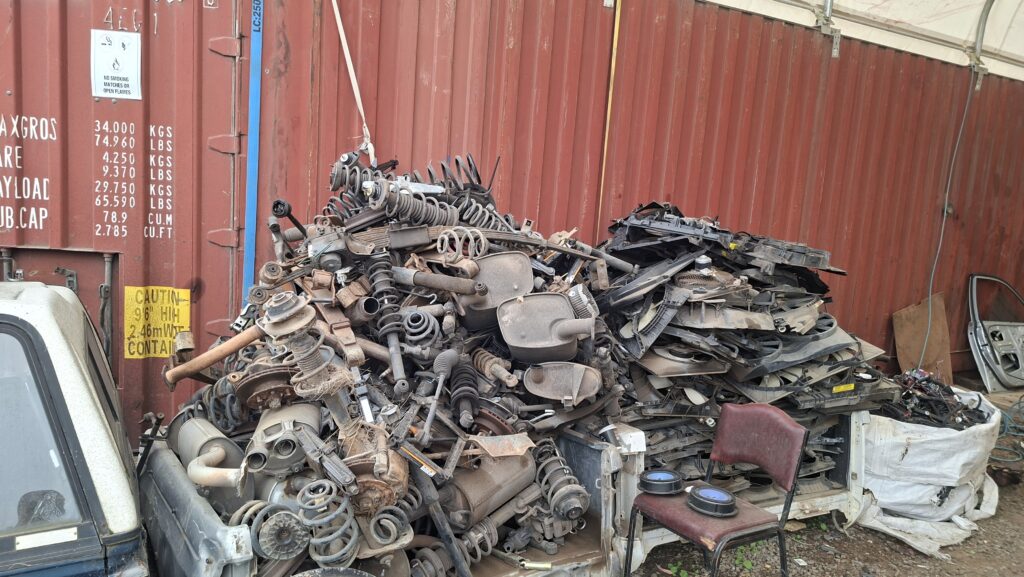
Valuable Parts Are Removed Before Recycling
Reuse Comes Before Recycling
Not every part of a scrap vehicle becomes raw material.
Many components may still have useful service life.
Examples include:
- Engine components
- Transmission assemblies
- Alternators
- Starter motors
- Alloy wheels
- Side mirrors
- Doors
- Tail lights
- Electronic control modules
Recovering these parts supports affordable repairs while reducing manufacturing demand.
Quality Checks Matter
Before reusable parts are stored or supplied, they are typically inspected to assess their overall condition and suitability for reuse.
This careful process helps ensure recovered components continue providing value within the automotive industry.
The Remaining Vehicle Is Prepared for Material Recovery
Every Material Has Value
After reusable components have been removed, the remaining vehicle shell still contains valuable recyclable resources.
Materials commonly recovered include:
- Steel
- Aluminium
- Copper
- Glass
- Plastic
- Rubber
Each material follows its own recycling pathway to maximise recovery and minimise waste.
Why Responsible Recycling Matters
Supporting a Sustainable Future
Recycling a vehicle is about much more than disposing of an unwanted car.
It helps:
- Conserve natural resources.
- Reduce landfill waste.
- Lower industrial energy demand.
- Support Australia’s circular economy.
- Reduce the environmental impact of manufacturing.
Every responsibly recycled vehicle contributes to a cleaner and more sustainable future.
Metals Are Processed for Future Manufacturing
Steel and Aluminium Get a New Purpose
Once reusable parts have been removed, the remaining vehicle body is processed to recover valuable metals. Modern recycling facilities separate different materials so they can be reused in manufacturing instead of being discarded.
Common metals recovered include:
- Steel
- Aluminium
- Copper
- Cast iron
These materials can be melted, refined, and transformed into raw materials for new products, reducing the need for mining and conserving natural resources.
Why Metal Recycling Is Important
Recovering metals from scrap vehicles helps:
- Reduce industrial energy consumption.
- Minimise landfill waste.
- Lower demand for newly mined materials.
- Support sustainable manufacturing.
- Reduce greenhouse gas emissions.
How Recycled Materials Are Used Again
A Vehicle Can Continue Creating Value
Many people are surprised to learn that materials recovered from one vehicle may later be used in completely different industries.
Examples include:
Steel
Used in automotive manufacturing, construction, and heavy equipment.
Aluminium
Commonly used in vehicle components, packaging, and industrial products.
Copper
Recovered from wiring and electrical systems for use in electrical equipment and new automotive components.
Plastic and Rubber
Processed into materials used in manufacturing and infrastructure projects where suitable.
This demonstrates how responsible recycling keeps valuable resources in circulation.
Common Myths About Scrapping a Car
Myth 1: A Scrap Car Has No Value
Fact: Even an old or damaged vehicle often contains reusable parts and recyclable materials.
Myth 2: The Entire Vehicle Is Crushed Immediately
Fact: Professional vehicle recyclers first inspect the vehicle, remove reusable components, and safely drain hazardous fluids before recycling the remaining materials.
Myth 3: Only Metal Is Recycled
Fact: Modern recycling facilities recover metals, batteries, electronics, glass, plastics, rubber, and many other materials.
Myth 4: Older Cars Cannot Be Recycled
Fact: Most end-of-life vehicles still contain valuable resources that can be recovered through responsible recycling.
The Journey of a Scrap Car
| Stage | What Happens |
|---|---|
| Vehicle Collection | The vehicle is transported to a recycling facility. |
| Inspection | Reusable parts and recyclable materials are identified. |
| Depollution | Fluids and hazardous substances are safely removed. |
| Dismantling | Valuable components are carefully recovered. |
| Material Separation | Metals, plastics, glass, and rubber are sorted. |
| Recycling | Recovered materials are processed for future manufacturing. |
Benefits of Scrapping a Car Responsibly
Choosing responsible vehicle recycling offers several long-term benefits.
Environmental Benefits
- Conserves natural resources.
- Reduces landfill waste.
- Supports responsible waste management.
- Helps lower manufacturing emissions.
Automotive Industry Benefits
- Increases the availability of quality recycled parts.
- Supports affordable vehicle repairs.
- Improves resource efficiency.
- Reduces demand for newly manufactured components.
Expert Tips Before You Scrap Your Car
Remove Personal Belongings
Check the cabin, glove box, boot, and storage compartments before the vehicle is collected.
Gather Your Vehicle Information
Having registration details or ownership documents available can help streamline the recycling process where required.
Understand the Recycling Process
Knowing what happens after collection helps you appreciate the environmental value of responsible vehicle recycling.
Choose Professional Car Wreckers
Experienced car wreckers in Geelong follow structured recycling procedures that maximise material recovery while protecting the environment.
People Also Ask
What happens after I scrap my car?
Your vehicle is inspected, depolluted, dismantled, and processed so reusable parts and recyclable materials can be recovered.
Are all parts of a scrap car recycled?
Not every part is reused, but many materials—including metals, plastics, glass, and rubber—can be recycled through specialist processes.
Why are hazardous fluids removed first?
Removing fluids helps prevent environmental contamination and prepares the vehicle for safe dismantling.
Can reusable car parts be installed in other vehicles?
Yes. Suitable components may be inspected and supplied as replacement parts where appropriate.
Does scrapping a car help the environment?
Yes. Responsible vehicle recycling conserves resources, reduces landfill waste, and supports sustainable manufacturing.
Frequently Asked Questions
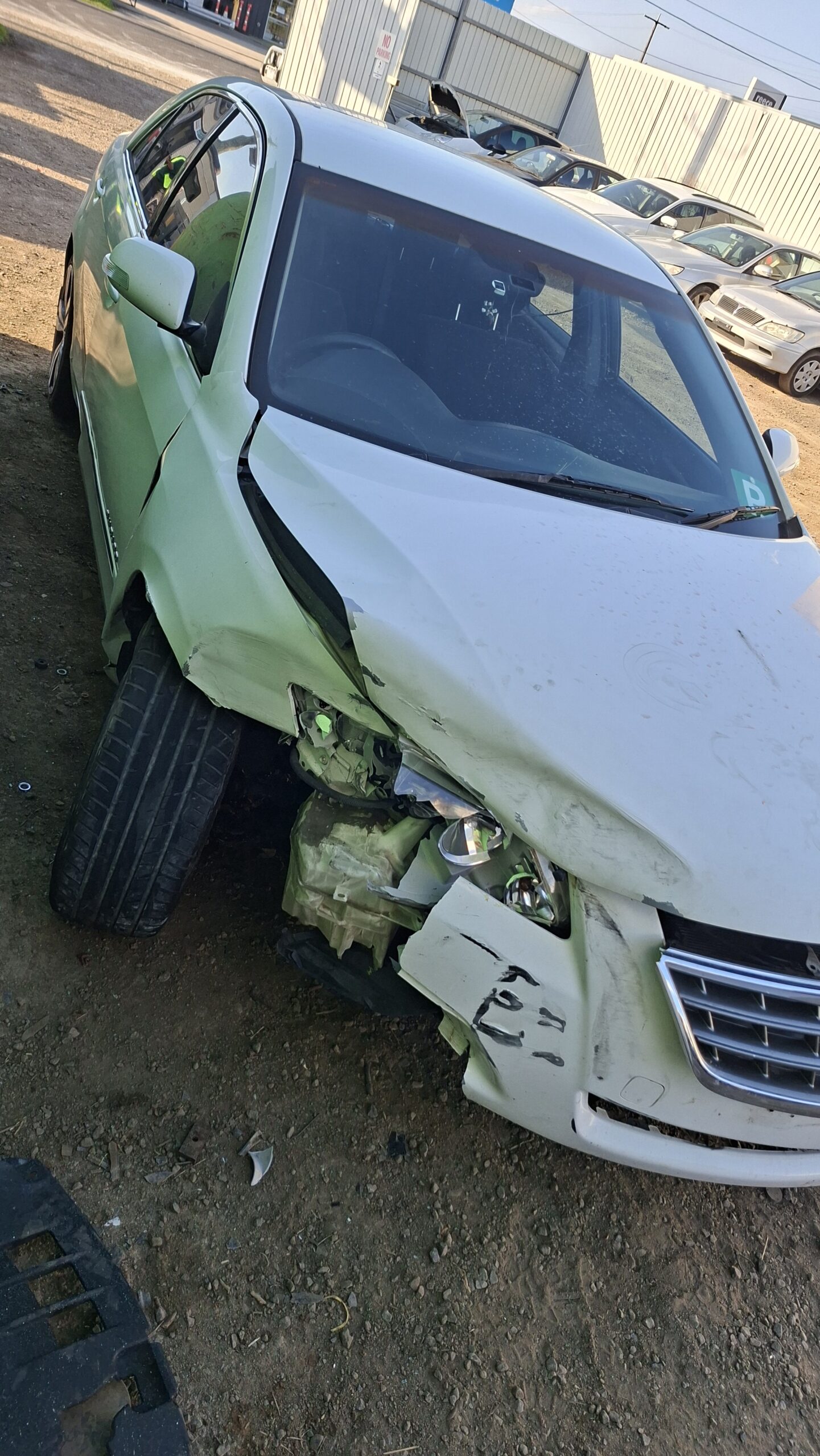
Can badly damaged vehicles still be recycled?
Yes. Even vehicles with significant accident damage often contain valuable recyclable materials and reusable components.
What happens to the engine after recycling?
If suitable for reuse, the engine or its components may be recovered. Otherwise, its metal is recycled.
Why is material separation important?
Separating different materials improves recycling efficiency and maximises resource recovery.
Are electronics also recycled?
Yes. Many electronic modules, wiring systems, and electrical components contain recyclable materials.
How does vehicle recycling support sustainability?
By recovering valuable resources and reducing the need for new raw materials, vehicle recycling helps minimise environmental impact while supporting a circular economy.
Final Thoughts
When you decide to scrap my car, the journey doesn’t end when the vehicle leaves your driveway. It begins a carefully managed recycling process designed to recover valuable resources, reduce waste, and protect the environment.
Professional car wreckers in Geelong inspect every vehicle, safely remove hazardous materials, recover reusable parts, and recycle metals that can be used again in manufacturing. This process transforms an unwanted vehicle into a valuable source of reusable components and recyclable materials.
Choosing responsible vehicle recycling not only helps clear unwanted vehicles from your property but also contributes to a cleaner environment and a more sustainable automotive industry across Australia