When your vehicle develops a major mechanical problem or suffers accident damage, one question naturally comes to mind: Should I repair it or sell it for scrap? The answer depends on several factors, including the vehicle’s age, repair costs, market value, reliability, and long-term maintenance expenses.
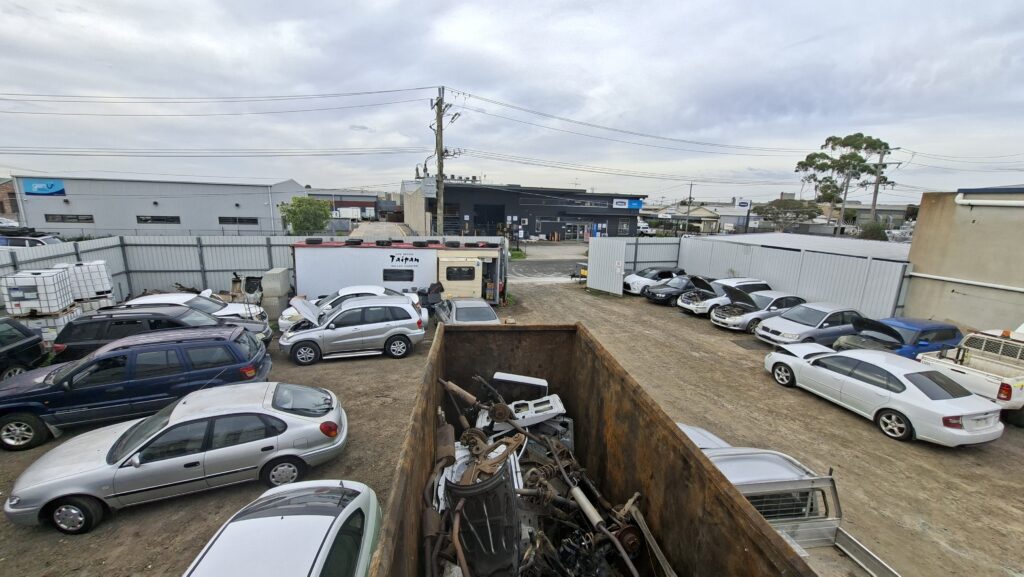
For many vehicle owners in Geelong, repairing an older car may seem like the obvious choice. However, investing thousands of dollars into a vehicle that continues to lose value isn’t always the most practical decision. In many cases, selling the vehicle to professional car wreckers in Geelong can be a more economical and environmentally responsible option.
This guide explains how to compare both choices, identify when repairs no longer make financial sense, and understand why many owners eventually choose professional vehicle recycling.
Quick Answer
If repair costs are close to or exceed your vehicle’s market value, selling it to professional Geelong car wreckers is often the more practical option. Older vehicles with recurring mechanical issues, severe accident damage, or expensive component failures may provide better long-term value through responsible recycling rather than continued repairs.
Key Takeaways
- Compare repair costs with your vehicle’s current market value.
- Older vehicles often require ongoing maintenance.
- Major mechanical failures can significantly increase ownership costs.
- Professional auto wreckers assess vehicles based on reusable parts and recyclable materials.
- Responsible vehicle recycling supports environmental sustainability.
Why This Decision Is Important
Many people continue repairing older vehicles simply because they’ve owned them for years.
While emotional attachment is understandable, it’s also important to consider the financial side of ownership.
Before deciding, ask yourself:
- Is the vehicle still reliable?
- Are repairs becoming more frequent?
- Is it safe to drive?
- Does it still meet your daily needs?
- Will future repairs continue to increase?
Looking at the bigger picture can help you make a more informed decision.
Consider the Total Cost of Repairs
One Repair Rarely Tells the Whole Story
A single repair may not seem expensive on its own.
However, older vehicles often require multiple repairs over a relatively short period.
These can include:
- Engine repairs
- Transmission repairs
- Suspension work
- Brake system repairs
- Cooling system failures
- Electrical faults
When several major repairs occur within a short timeframe, ownership costs can increase quickly.
Calculate the Long-Term Cost
Instead of focusing only on today’s repair bill, consider:
Immediate Costs
- Current repair estimate
- Replacement parts
- Labour costs
Future Costs
- Ongoing maintenance
- Additional mechanical failures
- Registration
- Insurance
- Fuel consumption
Looking beyond a single repair provides a more realistic picture of long-term vehicle ownership.
Compare Repair Costs with Your Vehicle’s Market Value
A Practical Financial Approach
One of the simplest ways to evaluate your options is to compare the estimated repair cost with your vehicle’s current market value.
For example:
| Situation | Consideration |
|---|---|
| Minor repair on a newer vehicle | Repair may be worthwhile |
| Expensive repair on an older vehicle | Selling may be the better option |
| Repeated major repairs | Consider total ownership costs |
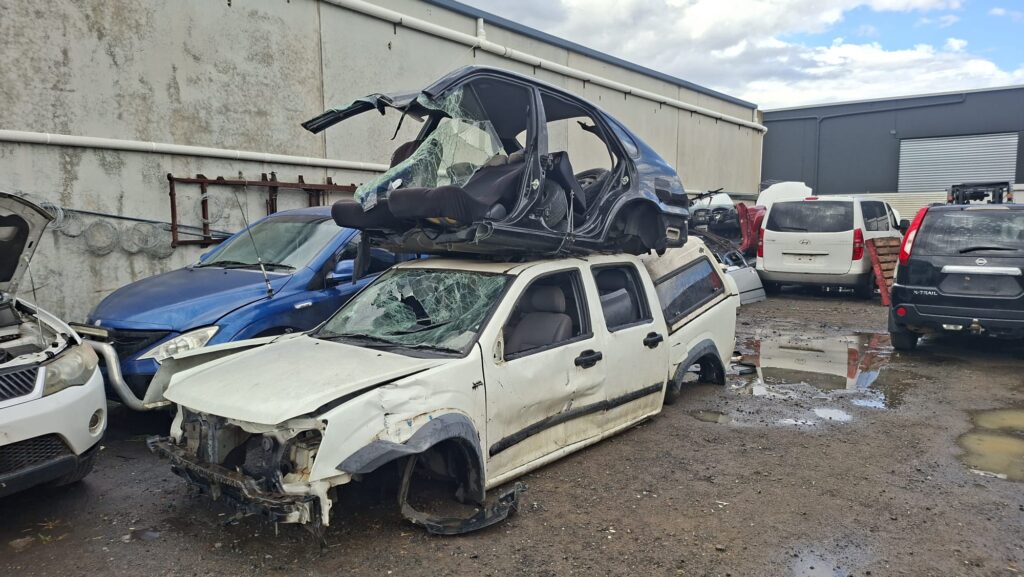
| Significant accident damage | Recycling may be more practical |
Every situation is unique, but this comparison provides a useful starting point.
Vehicle Age Matters
Older Cars Often Require More Maintenance
As vehicles age, many components naturally begin to wear.
Common examples include:
- Suspension
- Cooling systems
- Electrical systems
- Steering components
- Engine seals
- Rubber hoses
While these issues are normal, repairing multiple ageing components can become expensive over time.
Age Isn’t the Only Factor
It’s important to remember that age alone doesn’t determine whether a vehicle should be repaired.
A well-maintained older vehicle may continue providing reliable service, while a newer vehicle with severe accident damage may no longer be economical to repair.
Professional auto wreckers in Geelong assess each vehicle individually because every situation is different.
Reliability Should Influence Your Decision
Can You Depend on the Vehicle?
Reliability is one of the most overlooked factors when deciding whether to repair or sell.
Ask yourself:
- Do unexpected breakdowns happen regularly?
- Have repair visits become more frequent?
- Do you trust the vehicle for long-distance travel?
- Are you spending more time at the mechanic than on the road?
If reliability continues to decline despite repeated repairs, it may be time to explore alternative options.
Safety Comes First
Some Repairs Should Never Be Delayed
Certain vehicle problems directly affect safety.
Examples include:
- Brake system failures
- Steering problems
- Structural accident damage
- Airbag issues
- Suspension failures
If repairing these issues becomes financially unrealistic, replacing or recycling the vehicle may become the safer long-term decision.
Environmental Considerations
Responsible Recycling Supports Sustainability
When a vehicle reaches the end of its useful life, responsible recycling allows many materials to be recovered.
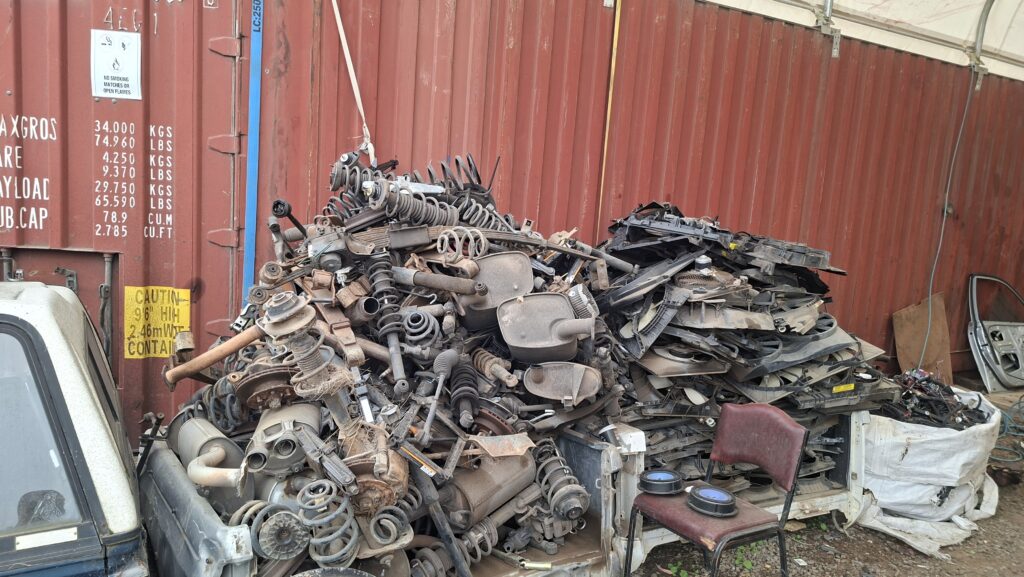
Professional vehicle recyclers recover:
- Steel
- Aluminium
- Copper
- Reusable mechanical parts
- Electronic components
This reduces landfill waste while supporting sustainable manufacturing.
Choosing experienced car wreckers Geelong helps ensure your vehicle is processed responsibly.
Signs It May Be Time to Sell Your Car for Scrap
Repeated Repairs Are Becoming Expensive
Every vehicle needs maintenance, but frequent major repairs can quickly become a financial burden.
If you’ve recently paid for one repair only to face another a few months later, it may be worth reconsidering whether keeping the vehicle is the right long-term decision.
Common examples include:
- Engine repairs followed by transmission issues
- Suspension repairs followed by steering problems
- Cooling system failures after replacing the radiator
- Electrical faults appearing after major mechanical work
Recurring repairs often indicate that other ageing components may also require attention in the future.
Your Vehicle Is Worth Less Than the Repair Costs
One practical way to make a decision is to compare your vehicle’s current market value with the estimated repair costs.
For example, if repairing the vehicle costs close to—or even more than—what the vehicle is worth, continuing to invest in repairs may not provide good long-term value.
Instead of focusing on the money already spent, consider what the vehicle is likely to cost over the next few years.
Your Car Is No Longer Reliable
Reliability affects more than convenience—it also affects your confidence every time you drive.
If your vehicle regularly experiences:
- Starting problems
- Overheating
- Unexpected breakdowns
- Warning lights
- Oil leaks
- Transmission slipping
it may be reaching the end of its practical lifespan.
A vehicle that cannot be relied upon for daily transport often creates more stress than value.
Finding Replacement Parts Is Becoming Difficult
As some vehicles become older, sourcing quality replacement parts can become increasingly difficult.
This may lead to:
- Longer repair times
- Higher labour costs
- Increased parts prices
- Limited availability of genuine components
When repairs become difficult because of parts availability, selling the vehicle for recycling may become the more practical solution.
Repair vs Scrap: A Simple Comparison
| Factor | Repair the Vehicle | Sell for Scrap |
|---|---|---|
| Repair Costs | Can increase over time | No ongoing repair expenses |
| Reliability | Depends on vehicle condition | Removes the need for future repairs |
| Maintenance | Continues throughout ownership | No future maintenance required |
| Environmental Impact | Older vehicles may be less efficient | Supports responsible vehicle recycling |
| Long-Term Costs | May continue increasing | Helps end ongoing ownership expenses |
Hidden Costs Many Owners Forget
When deciding whether to repair or sell, many people only think about the repair bill.
However, owning an ageing vehicle often involves additional expenses, including:
Ongoing Maintenance
Regular servicing may become more frequent as vehicles age.
Fuel Consumption
Older vehicles are often less fuel-efficient than newer models.
Insurance
Depending on the vehicle, insurance costs may continue even if the vehicle is rarely used.
Registration
Annual registration remains an ongoing ownership expense.
Unexpected Repairs
Older vehicles can develop new problems without warning, making future costs difficult to predict.
Looking at the complete cost of ownership—not just a single repair—can help you make a more informed decision.
Why Many Geelong Owners Choose Professional Car Wreckers
Professional car wreckers in Geelong provide an alternative for vehicles that are no longer practical to repair.
Rather than investing more money into an ageing or severely damaged vehicle, many owners choose responsible recycling because it offers several advantages.
Benefits of Professional Vehicle Recycling
- Suitable for old, damaged, and non-running vehicles.
- Supports environmentally responsible recycling.
- Recovers valuable automotive materials.
- Reduces landfill waste.
- Helps extend the life of reusable auto parts.
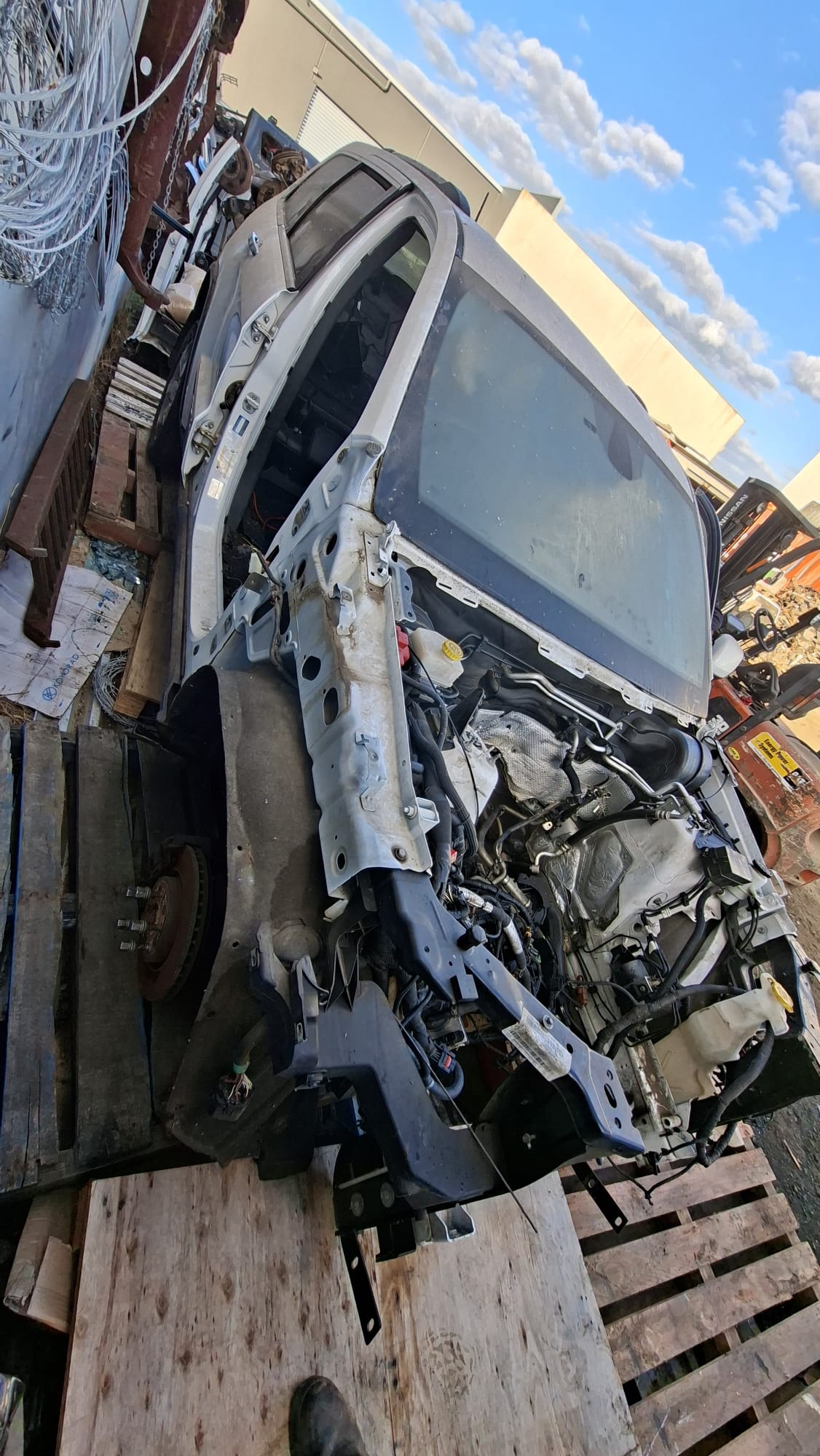
Professional vehicle recyclers assess each vehicle individually and recover components that can continue serving the automotive industry.
Expert Tips Before Making Your Decision
Before deciding whether to repair or recycle your vehicle, consider these practical steps.
Obtain a Repair Assessment
Understanding the likely repair requirements provides a clearer picture of future ownership costs.
Evaluate Your Vehicle Honestly
Think about:
- Overall condition
- Reliability
- Frequency of repairs
- Long-term maintenance requirements
Think Beyond Today’s Repair
A single repair may solve today’s problem but not prevent future mechanical issues.
Consider Long-Term Value
Sometimes the most economical decision is not repairing the vehicle but moving on from it responsibly.
People Also Ask
How do I know if repairing my car is worth it?
Compare the estimated repair costs with the vehicle’s current market value, reliability, and expected future maintenance expenses.
When should I stop repairing an old vehicle?
If major repairs become frequent, costs continue increasing, or reliability declines significantly, it may be time to consider other options.
Do professional car wreckers buy vehicles that still run?
Yes. Many professional vehicle recyclers purchase running and non-running vehicles in various conditions.
Is recycling better for the environment?
Responsible vehicle recycling helps recover valuable materials while reducing landfill waste and conserving natural resources.
Does an older vehicle always need to be scrapped?
No. Every vehicle should be assessed individually. Age is only one factor among many.
Frequently Asked Questions
Can an accident-damaged vehicle still be worth repairing?
It depends on the severity of the damage, repair costs, and the vehicle’s overall value.
Are recurring repairs a warning sign?
Yes. Frequent major repairs often indicate that additional components may require attention in the future.
What vehicles do Geelong car wreckers usually purchase?
Most professional businesses purchase:
- Cars
- SUVs
- Utes
- Vans
- 4WDs
- Accident-damaged vehicles
- Non-running vehicles
- Unregistered vehicles
- Scrap vehicles
Why do older vehicles become expensive to maintain?
As components wear over time, repairs often become more frequent, and replacement parts may become harder to source.
Can responsible recycling help the environment?
Yes. Vehicle recycling recovers reusable parts and recyclable materials while reducing waste and conserving natural resources.
Final Thoughts
Deciding whether to repair your vehicle or sell it for scrap is not always straightforward. While some repairs may extend a vehicle’s life, repeated mechanical failures, rising maintenance costs, and declining reliability often make continued ownership less practical.
By comparing repair costs, assessing your vehicle’s condition, and considering long-term ownership expenses, you can make a decision that suits your circumstances. If your vehicle has reached the end of its useful life, professional car wreckers in Geelong provide a responsible way to recycle valuable materials and support a more sustainable automotive industry.