How Vehicle Recycling Helps Reduce Carbon Emissions in Australia
Vehicle recycling is often associated with removing old or damaged cars from the road, but its environmental impact goes much further. Every vehicle that is responsibly recycled helps conserve valuable resources, reduce industrial waste, and lower the carbon emissions associated with manufacturing new materials.
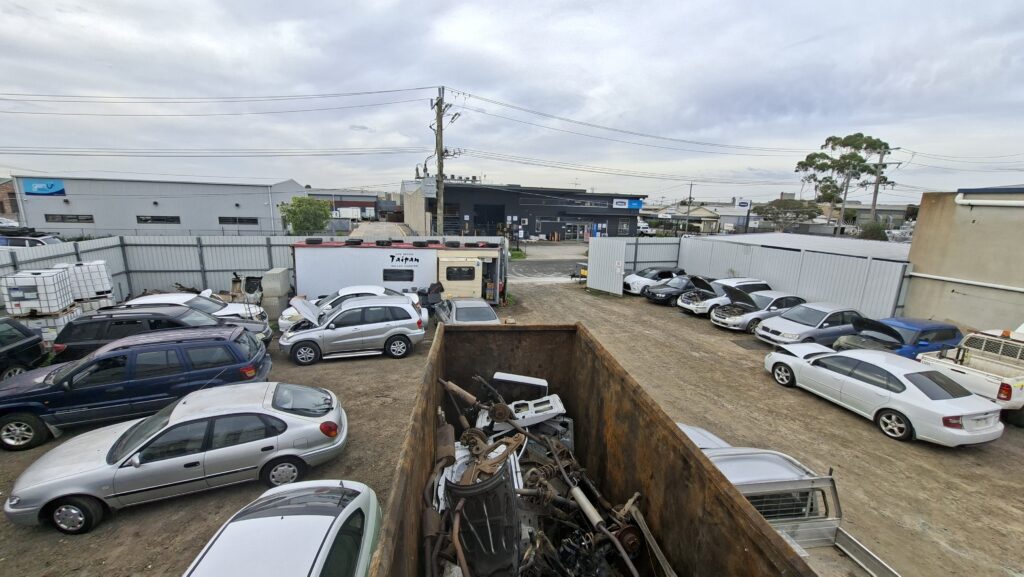
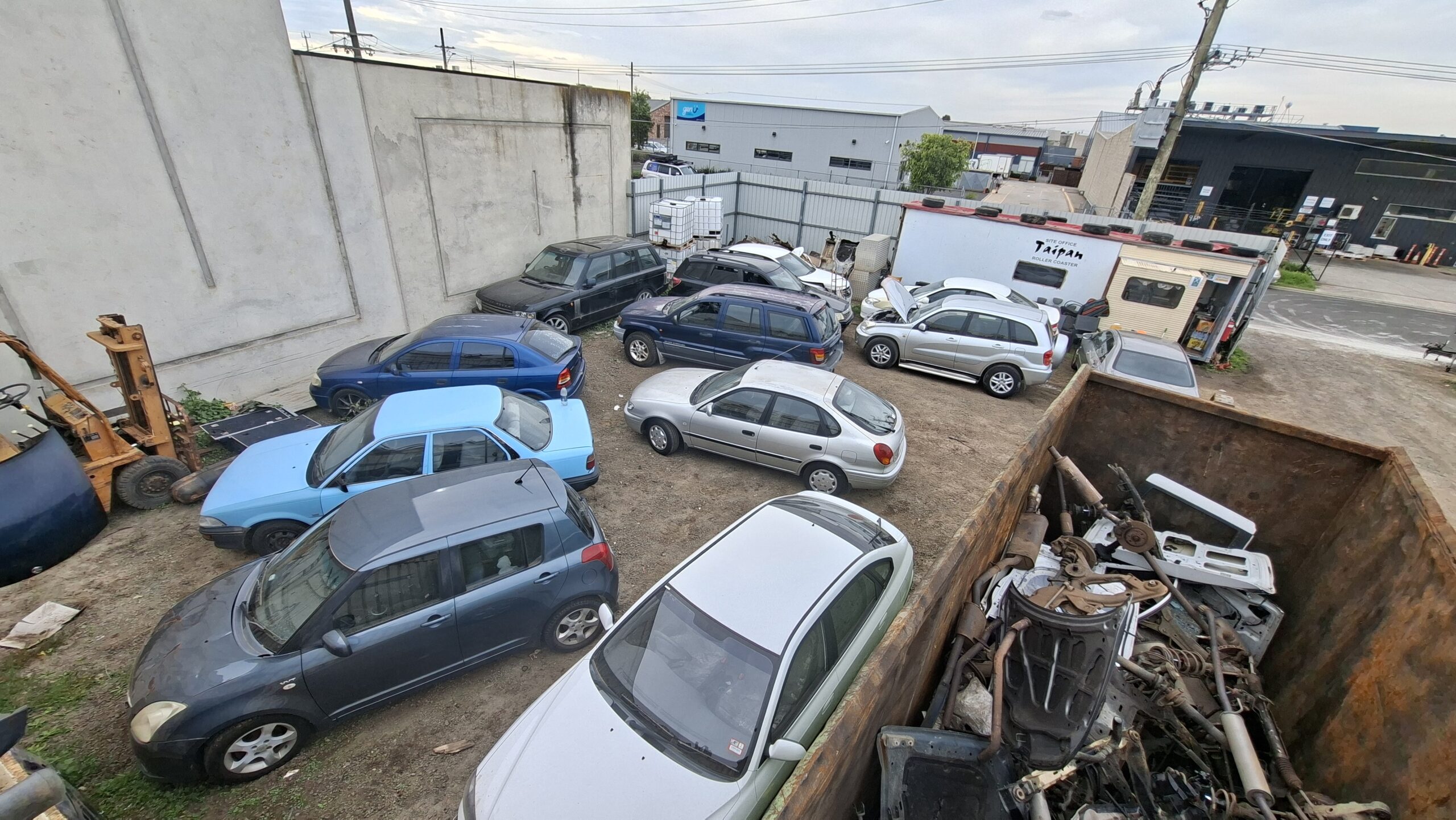
As Australia continues to focus on sustainability and resource efficiency, professional auto wreckers in Geelong play an important role by recovering reusable parts and recycling metals that would otherwise require energy-intensive production. This process supports a cleaner automotive industry while helping reduce the environmental footprint of end-of-life vehicles.
In this guide, you’ll learn how vehicle recycling contributes to lower carbon emissions and why responsible recycling benefits both local communities and the environment.
Quick Answer
Vehicle recycling helps reduce carbon emissions by recovering reusable materials such as steel, aluminium, and copper instead of producing them from newly extracted raw materials. Recycling generally requires less energy than manufacturing new materials, helping lower greenhouse gas emissions while conserving natural resources.
Key Takeaways
- Recycling metals requires less energy than producing new metals.
- Reusing vehicle parts reduces manufacturing demand.
- Responsible recycling lowers landfill waste.
- Resource recovery supports Australia’s sustainability goals.
- Vehicle recycling contributes to a circular economy.
Understanding Carbon Emissions in the Automotive Industry
Carbon Emissions Come From More Than Driving
Many people associate vehicle emissions only with fuel consumption.
However, carbon emissions are generated throughout a vehicle’s lifecycle, including:
- Mining raw materials
- Manufacturing steel and aluminium
- Producing vehicle components
- Transporting materials
- Building replacement parts
By recycling existing materials, much of this resource-intensive production can be reduced.
Why Manufacturing Has an Environmental Impact
Producing new automotive materials often requires:
- Large amounts of electricity
- Industrial heat
- Mining operations
- Transportation networks
Each stage contributes to greenhouse gas emissions.
Recovering materials from end-of-life vehicles helps reduce the need for these processes.
How Vehicle Recycling Conserves Energy
Recycling Uses Existing Materials
Professional car wreckers in Geelong recover materials that already exist within a vehicle.
Examples include:
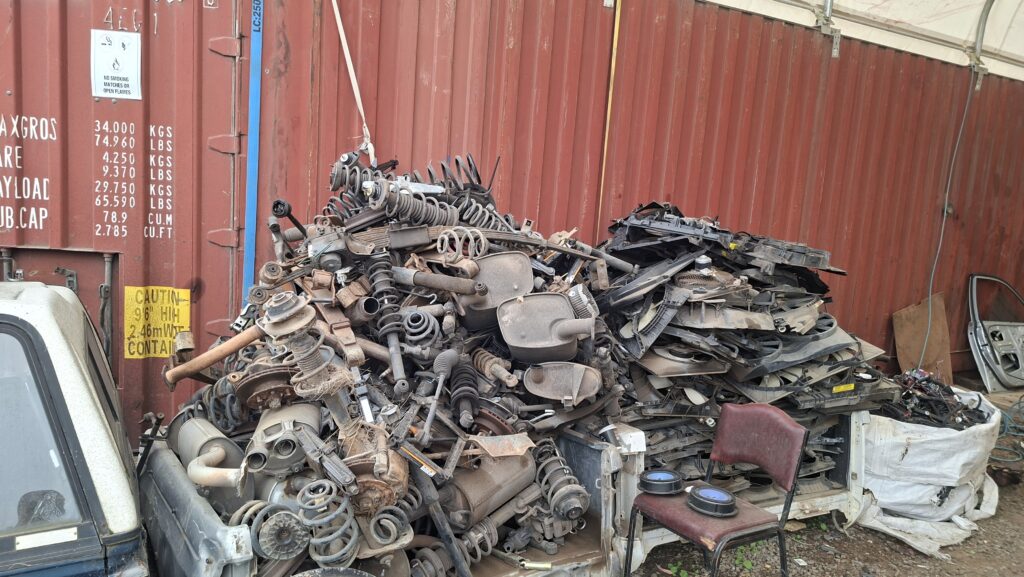
- Steel
- Aluminium
- Copper
- Lead
- Plastic
Instead of extracting and processing new raw materials, manufacturers can reuse recovered materials in future products.
Lower Energy Consumption
Compared with manufacturing metals from raw ore, recycling generally requires significantly less energy.
This contributes to:
- Lower industrial emissions
- Reduced fuel consumption
- Improved resource efficiency
- Lower environmental impact
Energy savings become even more significant when thousands of vehicles are recycled each year.
Reusing Auto Parts Also Reduces Emissions
Every Reused Part Matters
Vehicle recycling is not limited to recovering raw materials.
Many components can continue serving other vehicles after inspection and testing.
Examples include:
- Engines
- Transmissions
- Alternators
- Starter motors
- Doors
- Mirrors
- Alloy wheels
- Electronic modules
Reusing these parts reduces the need to manufacture new replacements, helping lower emissions across the automotive supply chain.
Extending Product Lifecycles
When quality used parts are installed in another vehicle, manufacturers produce fewer new components.
This helps reduce:
- Industrial energy use
- Raw material consumption
- Manufacturing emissions
- Packaging waste
Extending the life of automotive components is one of the key principles of sustainable resource management.
Metal Recovery Makes a Significant Difference
Steel Is Highly Recyclable
Steel forms a large percentage of most vehicles.
Once recovered, it can be processed and used in future manufacturing without losing its essential properties.
Recycling steel helps:
- Reduce mining activity
- Lower energy consumption
- Minimise industrial emissions
- Conserve natural resources
Aluminium Offers Even Greater Energy Savings
Aluminium is widely used because it is lightweight and durable.
Recovering aluminium from recycled vehicles requires considerably less energy than producing new aluminium from bauxite ore.
This makes aluminium recovery one of the most environmentally valuable stages of vehicle recycling.
Responsible Recycling Supports Sustainable Manufacturing
Materials Stay in Circulation
Professional Geelong auto wreckers help ensure valuable materials continue moving through the manufacturing cycle instead of becoming waste.
Recovered materials are commonly used in:
- Automotive manufacturing
- Construction
- Industrial equipment
- Consumer products
Keeping materials in circulation reduces the environmental impact of future production.
Supporting Australia’s Circular Economy
Keeping Valuable Resources in Use
A circular economy focuses on extending the life of materials instead of following the traditional “use and dispose” model. Vehicle recycling is an important part of this approach because it allows valuable resources to remain in circulation for longer.
Professional auto wreckers in Geelong recover reusable parts and recyclable materials before processing the remaining vehicle. Instead of becoming waste, these resources can be used in manufacturing, repairs, and other industries.
This approach helps Australia move toward a more resource-efficient and environmentally responsible economy.
Benefits of a Circular Economy
Vehicle recycling contributes to the circular economy by:
- Extending the life of automotive parts.
- Reducing demand for newly mined resources.
- Supporting sustainable manufacturing.
- Lowering industrial waste.
- Improving material recovery.
Every recycled vehicle helps conserve resources that would otherwise require significant energy to replace.
Reducing Landfill Waste
Why Landfill Reduction Matters
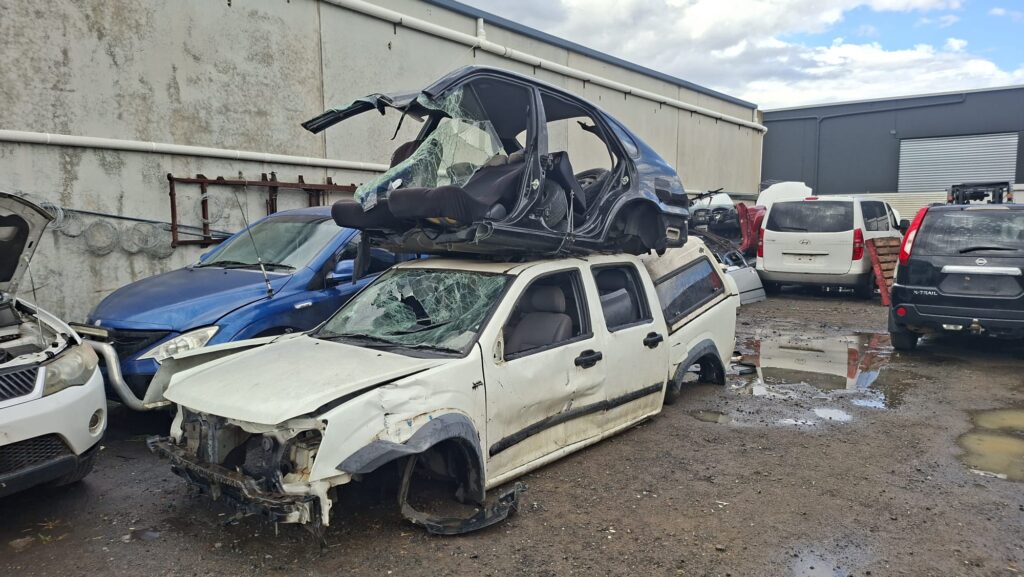
End-of-life vehicles contain a wide range of recyclable materials. Without proper recycling, these materials could occupy valuable landfill space or create environmental risks.
Responsible recycling helps recover:
- Steel
- Aluminium
- Copper
- Plastic
- Glass
- Rubber
By separating these materials, professional recyclers ensure that a large percentage of each vehicle can continue serving useful purposes.
Protecting the Environment
Reducing landfill waste also helps:
- Lower environmental pollution.
- Protect natural ecosystems.
- Reduce unnecessary resource extraction.
- Encourage responsible waste management.
These environmental benefits extend beyond the automotive industry and support broader sustainability goals.
Vehicle Recycling and Sustainable Communities
Local Actions Create Long-Term Benefits
When vehicle owners choose responsible recycling, they contribute to cleaner communities and better resource management.
Benefits for Geelong and surrounding areas include:
- Reduced abandoned vehicle waste.
- Improved recycling efficiency.
- Better recovery of reusable materials.
- Support for environmentally responsible industries.
Although one vehicle may seem insignificant, the combined effect of thousands of responsibly recycled vehicles can make a meaningful environmental difference over time.
Carbon Reduction at Every Stage
How Recycling Helps Lower Emissions
Vehicle recycling reduces carbon emissions in several ways:
| Recycling Activity | Environmental Benefit |
|---|---|
| Reusing auto parts | Reduces manufacturing demand |
| Recycling steel | Uses less energy than producing new steel |
| Recycling aluminium | Significantly lowers energy consumption |
| Recovering copper | Conserves natural resources |
| Material recovery | Reduces industrial waste |
Each stage contributes to a more sustainable automotive supply chain.
Simple Ways Vehicle Owners Can Support Sustainability
Even small decisions can have a positive environmental impact.
Consider these best practices:
Maintain Your Vehicle
Regular maintenance can extend a vehicle’s useful life before recycling becomes necessary.
Recycle Responsibly
Choose experienced vehicle recyclers that follow environmentally responsible dismantling and recycling practices.
Avoid Illegal Disposal
Abandoned vehicles may create environmental hazards and prevent valuable materials from being recovered.
Understand the Value of Recycling
Recycling is not only about removing an unwanted vehicle—it’s about conserving resources for future generations.
Expert Insights
Vehicle recycling has become an essential part of modern environmental management.
Industry professionals continue improving recycling technologies to recover more materials while reducing waste and emissions. As vehicle technology evolves, responsible recycling will play an even greater role in supporting Australia’s sustainability objectives.
Choosing professional car wreckers in Geelong helps ensure that reusable components and recyclable materials are handled safely and efficiently.
People Also Ask
Does vehicle recycling really reduce carbon emissions?
Yes. Recycling materials such as steel and aluminium generally requires less energy than producing them from newly mined raw materials, helping reduce greenhouse gas emissions.
Why is recycling better than sending vehicles to landfill?
Recycling allows valuable materials to be recovered and reused instead of becoming waste, reducing environmental impact and conserving natural resources.
How does reusing car parts help the environment?
Reusing quality vehicle parts reduces the need to manufacture new components, which lowers energy consumption and industrial emissions.
What materials are commonly recycled from vehicles?
Steel, aluminium, copper, glass, plastic, rubber, batteries, and many electronic components can all be recovered through responsible recycling.
How do auto wreckers contribute to sustainability?
They recover reusable parts, recycle valuable materials, safely manage hazardous substances, and support resource conservation across the automotive industry.
Frequently Asked Questions
Can old vehicles still benefit the environment?
Yes. Even vehicles that are no longer roadworthy often contain reusable parts and recyclable materials that support sustainable manufacturing.
Is aluminium recycling environmentally beneficial?
Yes. Recycling aluminium generally uses far less energy than producing new aluminium from raw materials.
Why are reusable vehicle parts important?
Reusing parts extends their lifespan, reduces manufacturing demand, and helps conserve natural resources.
Does responsible recycling help reduce waste?
Yes. Responsible recycling maximises material recovery and significantly reduces the amount of automotive waste sent to landfill.
Can vehicle recycling support Australia’s sustainability goals?
Yes. Resource recovery, material recycling, and reduced industrial emissions all contribute to broader environmental and sustainability initiatives.
Final Thoughts
Vehicle recycling is far more than the disposal of unwanted cars. It is a resource recovery process that helps reduce carbon emissions, conserve valuable materials, minimise landfill waste, and support Australia’s transition toward a circular economy.
Professional auto wreckers in Geelong play a key role by ensuring reusable parts remain in circulation while recyclable materials such as steel, aluminium, copper, and plastics are recovered responsibly. Through these efforts, end-of-life vehicles continue providing environmental value long after they leave the road.
Choosing responsible vehicle recycling benefits not only individual vehicle owners but also the wider community and future generations by supporting a cleaner, more sustainable automotive industry.