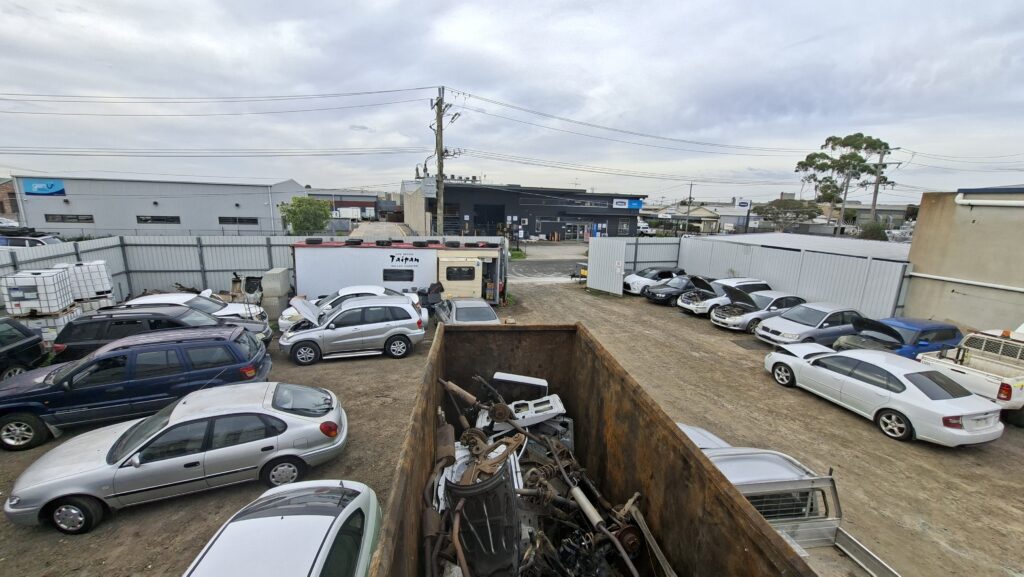
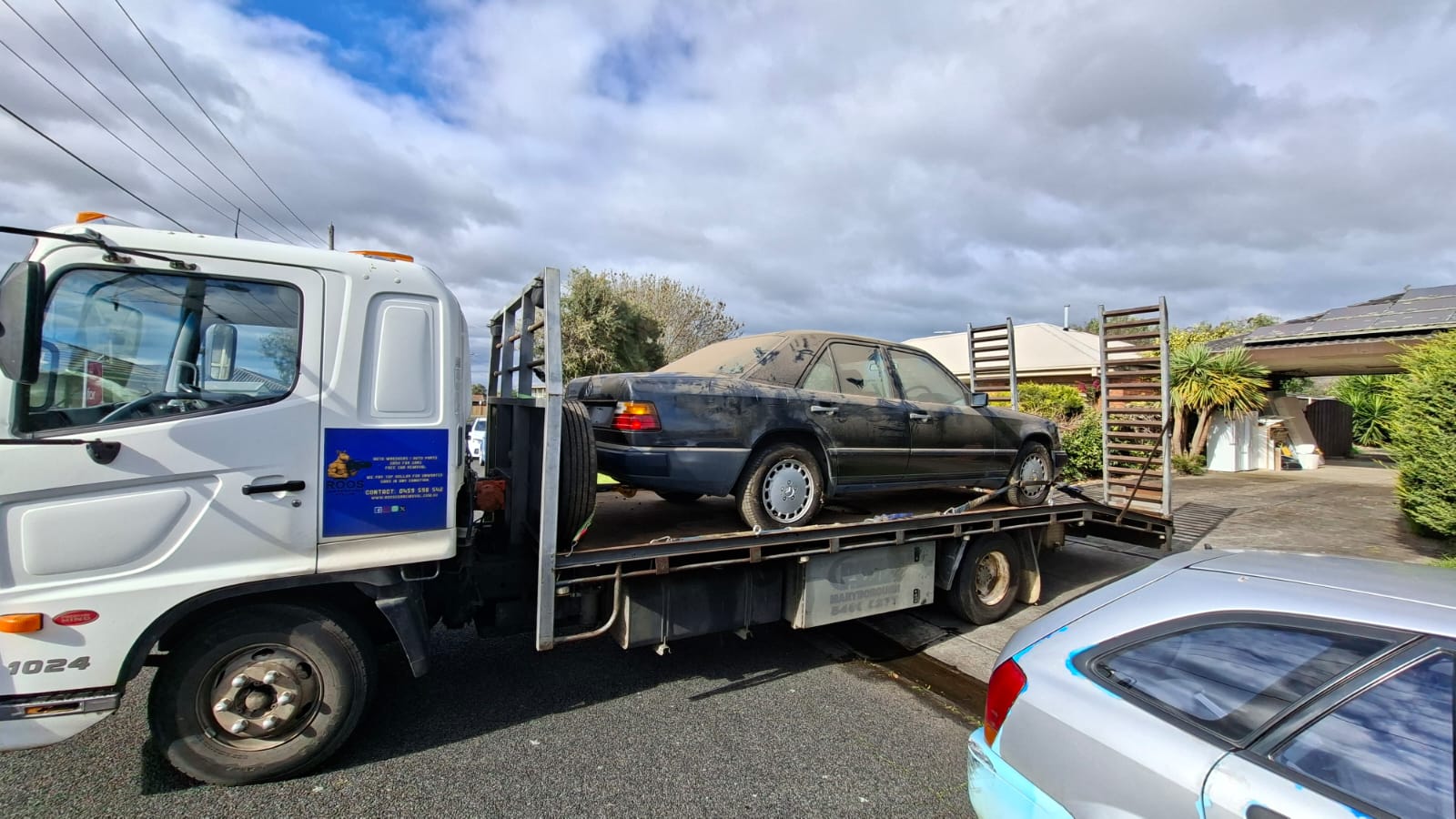
When a car reaches the end of its useful life, many owners wonder whether it still has value. An old, damaged, non-running, or unwanted vehicle may look like scrap, but it can still contain valuable components and recyclable materials.
Geelong car wreckers assess vehicles based on several factors rather than simply looking at their age or appearance. The vehicle’s make and model, condition, reusable parts, demand for components, and recyclable materials can all influence its overall value.
Understanding these factors can help vehicle owners have more realistic expectations when they decide to contact a local car wrecker.
Quick Answer
The value of an unwanted vehicle can depend on its make and model, age, condition, demand for parts, completeness, and recyclable materials. A vehicle does not necessarily need to be running to have value because usable components and scrap materials can still be recovered.
Key Takeaways
- Vehicle value is influenced by more than its age.
- Make and model can affect demand for parts.
- Running condition is only one factor.
- Accident-damaged cars may still contain valuable components.
- Complete vehicles can provide more recoverable materials.
- Recyclable metals also contribute to overall vehicle value.
Why Do Car Wreckers Assess Vehicles Differently?
Every Vehicle Has Different Recycling Potential
Two cars of the same age can have completely different values.
One may have a failed engine but a healthy transmission and usable body panels. Another may have extensive accident damage but contain valuable electronic components.
For this reason, car wreckers in Geelong consider the overall vehicle rather than relying on a single factor.
Factor 1: Make and Model
Popular Vehicles Can Have Stronger Parts Demand
The make and model of a vehicle can influence the demand for its components.
Parts for commonly owned vehicles may have a larger potential market because more drivers may require replacement components.
This can include demand for:
- Engines
- Transmissions
- Doors
- Mirrors
- Headlights
- Electrical components
- Interior parts
A vehicle with desirable or difficult-to-source components may therefore have stronger recycling potential.
Factor 2: Vehicle Condition
Condition Can Change the Assessment
A vehicle’s overall condition is another important consideration.
A wrecker may look at:
- Engine condition
- Transmission condition
- Body condition
- Interior condition
- Electrical systems
- Wheels
- Accident damage
- Missing components
A damaged vehicle can still be valuable if many components remain usable.
Factor 3: Is the Vehicle Running?
A Non-Running Car Can Still Have Value
A common misconception is that a vehicle must start to be valuable.
This is not necessarily true.
A non-running vehicle may still contain:
- A usable transmission
- Valuable electrical components
- Good body panels
- Alloy wheels
- Interior components
- Recyclable metals
The reason the vehicle no longer runs can also provide useful information during assessment.
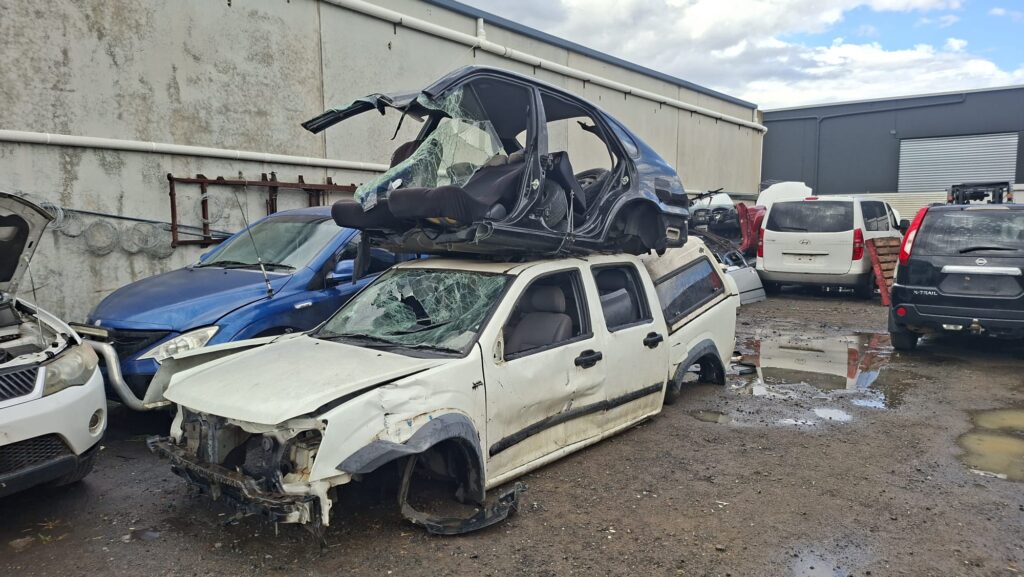
Factor 4: Accident Damage
Not All Damage Affects the Same Components
Accident damage can significantly affect a vehicle’s condition, but the location and severity of the damage matter.
For example, front-end damage may leave other components relatively unaffected.
A wrecker can assess whether usable parts remain available for recovery.
Factor 5: Completeness of the Vehicle
Missing Parts Can Affect Recovery Potential
A complete vehicle generally provides more components and materials for recovery than one that has already been partially dismantled.
Before contacting Geelong car wreckers, let them know if major components have already been removed.
This helps create a more accurate understanding of the vehicle’s current condition.
Factor 6: Demand for Used Parts
Parts Demand Can Influence Vehicle Value
A vehicle may contain parts that are particularly useful to owners of similar models.
Demand can vary depending on:
- Vehicle popularity
- Model age
- Availability of new replacement parts
- Component reliability
- Local market demand
This is one reason why two apparently similar vehicles may receive different assessments.
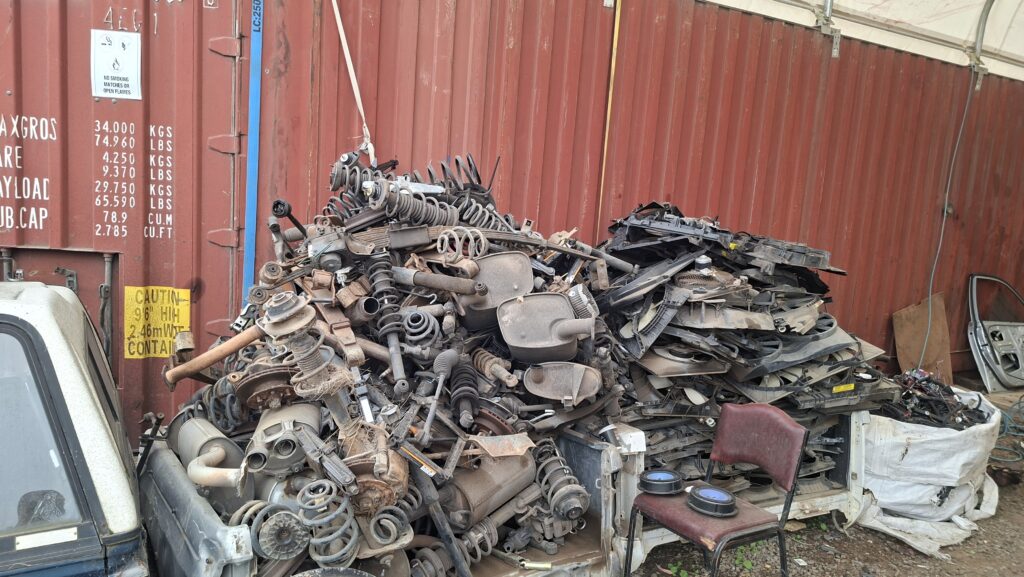
Factor 7: Recyclable Materials
Scrap Metal Still Has a Role
Even when a vehicle has limited reusable parts, its recyclable materials can still contribute to its overall value.
Common materials include:
- Steel
- Aluminium
- Copper
- Cast iron
These materials can be recovered and processed through appropriate recycling channels.
Does Vehicle Age Determine Its Value?
Older Doesn’t Always Mean Worthless
Age is important, but it is not the only consideration.
An older vehicle may contain:
- Rare components
- Hard-to-find parts
- Valuable metals
- Desirable wheels
- Usable mechanical components
Therefore, it is better to have the vehicle assessed rather than assuming its age makes it worthless.
What Information Should You Give a Wrecker?
Providing accurate information can make the initial assessment easier.
Have these details ready:
- Make
- Model
- Year
- Vehicle condition
- Running status
- Accident history where relevant
- Major missing components
- Vehicle location
Photos can also help communicate the vehicle’s condition before collection arrangements are made.
What Can Reduce the Value of an Unwanted Vehicle?
Several factors can reduce the amount of recoverable value.
These may include:
- Severe structural damage
- Missing major components
- Extensive corrosion
- Fire damage
- Flood damage
- Previous dismantling
- Limited demand for parts
However, even a heavily damaged vehicle may still contain recyclable materials.
Value Factors at a Glance
| Factor | Possible Impact |
|---|---|
| Make and model | Parts demand |
| Vehicle condition | Reusable component potential |
| Running status | Condition of mechanical components |
| Accident damage | Determines usable components |
| Completeness | Amount of recoverable parts |
| Parts demand | Potential reuse value |
| Metal content | Recycling value |
| Age | Can affect parts demand and condition |
How to Get a More Accurate Assessment
Provide Complete Information
When contacting a wrecker, avoid describing the vehicle simply as “old” or “damaged.”
Instead, explain its actual condition.
For example:
- “The engine does not start.”
- “The vehicle has front-end accident damage.”
- “The transmission was working before the accident.”
- “The wheels and interior are complete.”
Detailed information allows the wrecker to understand what may still be recoverable.
Expert Tips
Don’t Assume a Non-Running Car Has No Value
Mechanical failure does not automatically eliminate the value of the remaining components.
Don’t Hide Major Damage
Being transparent about accident, flood, fire, or mechanical damage helps create a more accurate assessment.
Take Clear Photos
Photos of the exterior, interior, engine bay, wheels, and damaged areas can provide useful information.
Keep the Vehicle Complete
Avoid removing major components before assessment unless there is a specific reason to do so.
Compare the Complete Service
When comparing Geelong wreckers, consider the entire process rather than focusing on a single number.
People Also Ask
How do Geelong car wreckers value a vehicle?
They may consider the vehicle’s make, model, age, condition, reusable parts, parts demand, completeness, and recyclable materials.
Is a non-running car worth anything to wreckers?
It can be. A non-running vehicle may still contain reusable components and valuable recyclable materials.
Does accident damage reduce a car’s value?
It can, but the effect depends on the severity and location of the damage and which components remain usable.
Does the make and model affect a scrap car’s value?
Yes. Demand for replacement parts can vary significantly between different makes and models.
Are old cars still useful to wreckers?
Yes. Older vehicles may contain reusable parts, hard-to-find components, and recyclable metals.
Frequently Asked Questions
Should I get my vehicle inspected before contacting a wrecker?
You can provide the vehicle’s basic details and condition first. The wrecker can then advise what information or assessment is needed.
Can a damaged car still have valuable parts?
Yes. Some components may remain in good condition even when other parts of the vehicle are badly damaged.
Do missing parts affect vehicle value?
They can because fewer components remain available for recovery.
Does a vehicle need to be registered?
Requirements can vary depending on the transaction and circumstances. It is best to discuss your specific vehicle with the wrecker.
Can I sell a vehicle that no longer runs?
Non-running vehicles can often be assessed by car wreckers because they may still contain reusable components and recyclable materials.
Final Thoughts
The value of an unwanted vehicle is determined by much more than its age. Geelong car wreckers consider the vehicle’s make and model, condition, parts demand, completeness, recyclable materials, and the potential for component recovery.
Whether your vehicle is old, damaged, non-running, or simply no longer needed, it is worth having its condition assessed rather than assuming it has no value.
Providing accurate vehicle information and being transparent about its condition can also make the assessment process smoother.