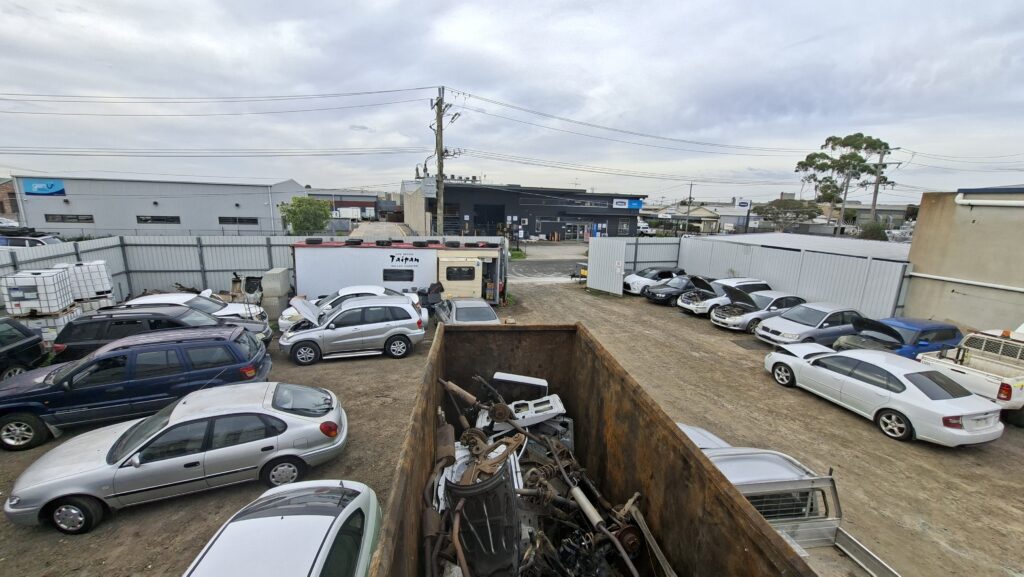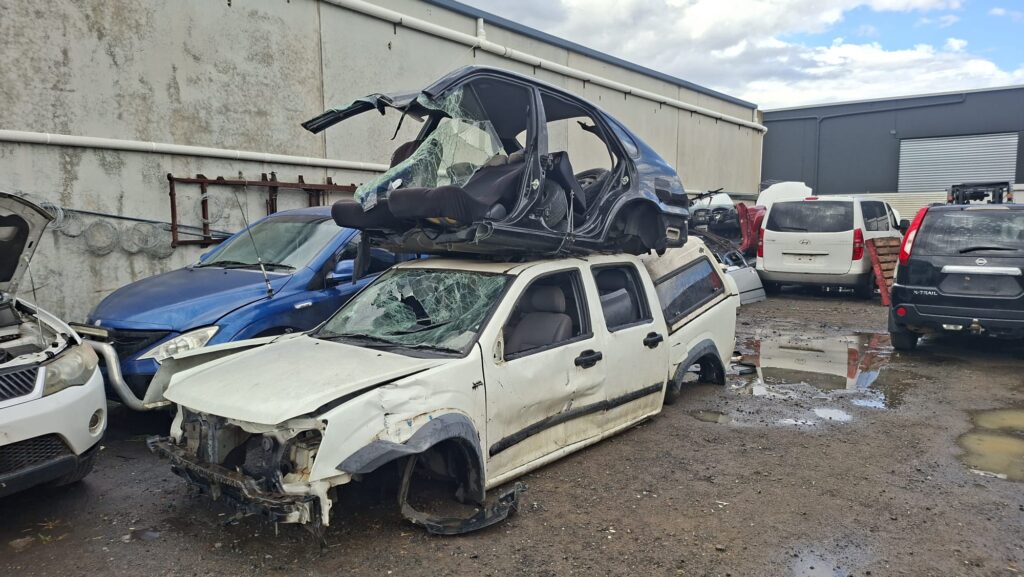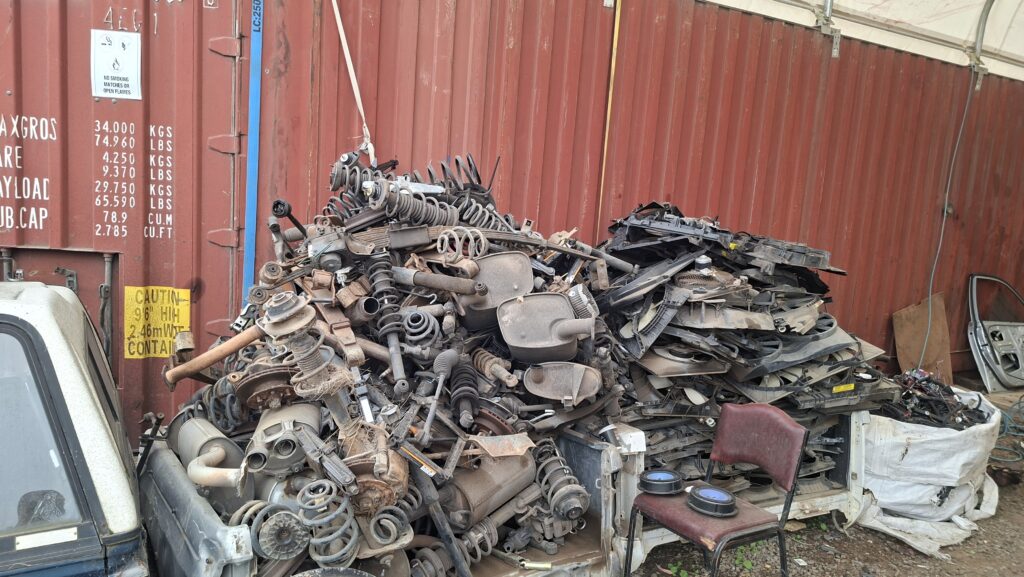
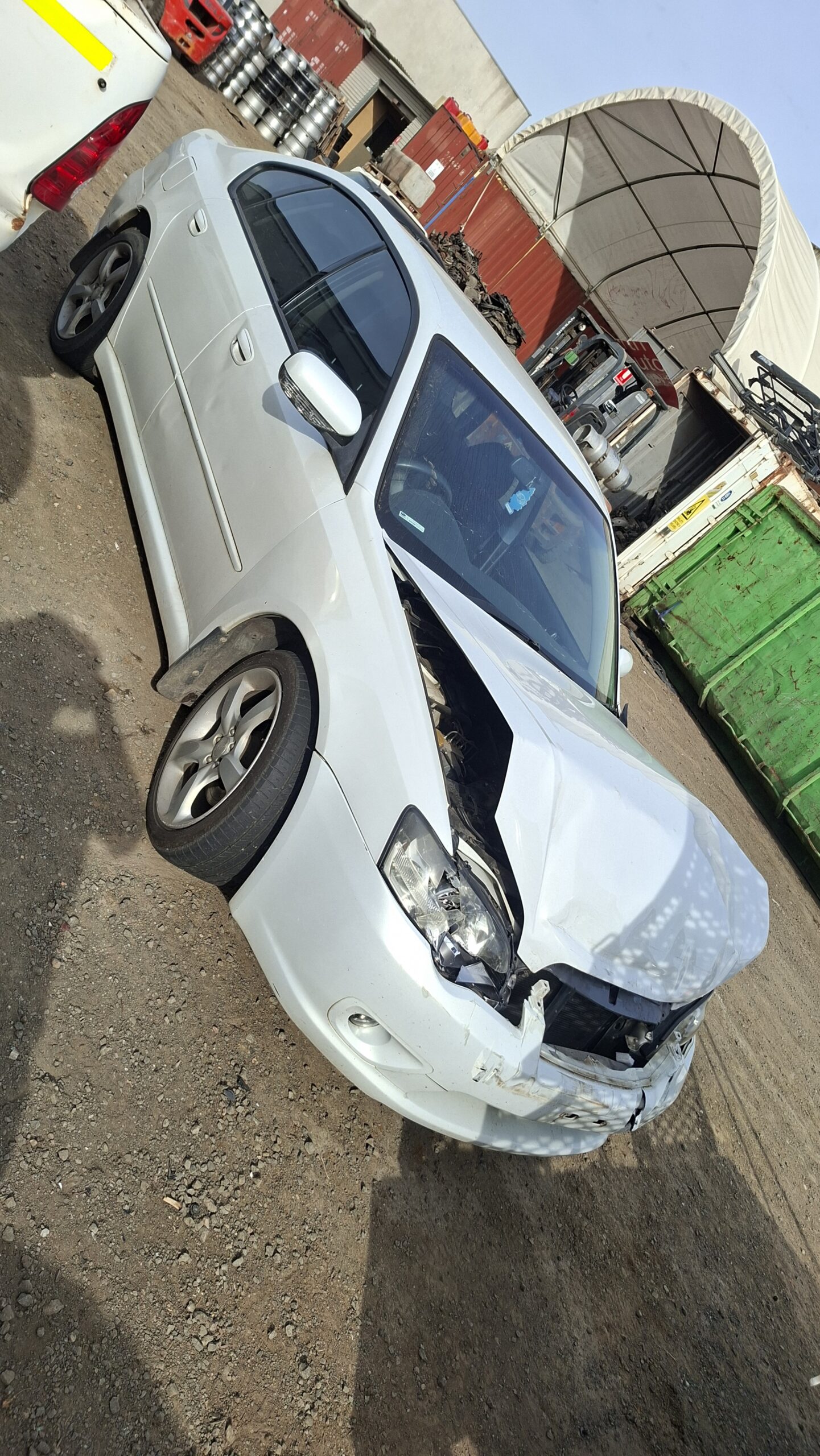
When an unwanted vehicle is taking up space in your driveway, understanding what a local auto wrecker actually does can make the next step much easier. Geelong auto wreckers provide more than vehicle disposal. They help recover usable automotive parts, process end-of-life vehicles, and recycle materials that would otherwise become waste.
For vehicle owners in Geelong and nearby areas, choosing a professional local auto wrecker can provide a practical way to deal with old, damaged, unwanted, or no-longer-roadworthy vehicles.
But what exactly can you expect from an auto wrecker?
This guide explains the main services, the types of vehicles commonly handled, how the recycling process works, and what makes a professional auto wrecker different.
Quick Answer
Geelong auto wreckers typically inspect unwanted vehicles, recover reusable parts, recycle metals and other materials, and arrange vehicle collection where their service includes removal. Depending on the vehicle and its condition, they may handle old, damaged, accident-affected, non-running, and end-of-life cars.
Key Takeaways
- Auto wreckers do more than simply remove unwanted vehicles.
- Reusable parts can be recovered from many end-of-life cars.
- Metals and other materials can be separated for recycling.
- Different vehicle conditions can have different recycling potential.
- Local knowledge can make vehicle collection and communication easier.
What Are Geelong Auto Wreckers?
Understanding the Role of an Auto Wrecker
An auto wrecker is a business involved in dismantling, recovering, and recycling vehicles and their components.
When a vehicle is no longer practical to repair or continue driving, an auto wrecker can assess which parts and materials may still have value.
The process can involve:
- Vehicle inspection
- Parts recovery
- Dismantling
- Material separation
- Metal recycling
- Responsible handling of vehicle fluids
This means an unwanted car can continue to provide value even after it has reached the end of its useful road life.
What Types of Vehicles Do Auto Wreckers Handle?
Old and Unwanted Cars
Age is one of the most common reasons people decide to contact an auto wrecker.
An older vehicle may have:
- Increasing repair costs
- Mechanical problems
- Outdated components
- Reduced roadworthiness
- Limited resale appeal
Even when the vehicle is no longer practical for everyday use, its components and materials may still be useful.
Accident-Damaged Vehicles
A vehicle does not necessarily need to be mechanically complete to have recycling potential.
Accident-damaged cars may still contain:
- Usable engine components
- Transmission parts
- Electronics
- Wheels
- Interior components
- Undamaged body panels
The extent of damage determines which components can potentially be recovered.
Non-Running Vehicles Can Also Be Assessed
A Car Doesn’t Always Need to Start
One common misunderstanding is that auto wreckers only accept vehicles that can still be driven.
In reality, end-of-life vehicles can have recycling value even when they are no longer operational.
A vehicle may stop running because of:
- Engine failure
- Electrical problems
- Transmission failure
- Accident damage
- Long-term neglect
- Age-related deterioration
The vehicle can still contain valuable parts and recyclable materials.
What Happens During an Auto Wrecker Assessment?
The Vehicle Is Evaluated as a Whole
A professional assessment looks at more than one component.
Factors may include:
- Make and model
- Vehicle age
- Overall condition
- Mechanical condition
- Accident damage
- Reusable components
- Demand for replacement parts
- Recyclable materials
This helps determine how the vehicle should be processed.
Why Make and Model Matter
Some vehicles have stronger demand for used replacement parts than others.
A popular model may contain components that are easier to reuse because other owners regularly need replacement parts.
This can influence the overall recycling potential of the vehicle.
Reusable Parts Are an Important Part of Auto Wrecking
Giving Vehicle Components a Second Life
One of the main purposes of professional auto wrecking is recovering components that can still be useful.
Depending on condition, these may include:
- Engines
- Transmissions
- Alternators
- Starter motors
- Alloy wheels
- Mirrors
- Doors
- Headlights
- Electronic modules
Reusing suitable components can reduce the need to manufacture completely new replacement parts.
Vehicle Recycling Is More Than Crushing Cars
Materials Are Carefully Recovered
After reusable components are identified, remaining materials can be processed for recycling.
Common materials include:
- Steel
- Aluminium
- Copper
- Glass
- Plastic
- Rubber
Separating these materials helps maximise resource recovery and reduce unnecessary waste.
Local Auto Wreckers and Geelong Vehicle Owners
Why Local Service Matters
Working with a business that serves Geelong and surrounding areas can make communication and vehicle collection more convenient.
Local vehicle owners may need help with cars located at:
- Residential properties
- Driveways
- Garages
- Workshops
- Private properties
A local service can assess the situation and determine the appropriate way to handle the vehicle.
Auto Wreckers vs Car Recyclers
The terms auto wrecker and car recycler are often used interchangeably, but the activities involved can cover different stages of the same vehicle recovery process.
An auto wrecker may focus heavily on dismantling vehicles and recovering usable components, while vehicle recycling involves processing materials such as steel, aluminium, copper, glass, and plastics.
In practice, professional businesses can combine both activities to maximise the amount of each vehicle that can be recovered.
Vehicle Collection Can Make the Process Easier
What Happens When a Vehicle Cannot Be Driven?
An unwanted vehicle may be damaged, unregistered, mechanically failed, or simply too old to drive.
In these situations, vehicle collection can make the process more practical.
Depending on the vehicle’s location and condition, collection may involve appropriate towing or loading equipment.
Before collection, it is useful to provide accurate information about:
- Vehicle condition
- Location
- Accessibility
- Whether the vehicle can start
- Whether the wheels can move
- Any known damage
Clear information helps the wrecker determine the appropriate collection method.
What Happens to Reusable Parts?
Components Can Continue Their Useful Life
One of the major advantages of professional auto wrecking is that usable components don’t necessarily become waste.
After a vehicle is assessed, suitable parts can be removed and inspected.
Potentially reusable components include:
- Engines
- Gearboxes
- Alternators
- Starter motors
- Radiators
- Headlights
- Tail lights
- Mirrors
- Doors
- Interior components
- Electronic modules
The condition and demand for each component determine whether it is suitable for reuse.
How Auto Wreckers Support Sustainable Recycling
Recovering Resources From End-of-Life Vehicles
A vehicle contains a significant amount of recyclable material.
Once reusable components have been recovered, remaining materials can be separated for recycling.
Steel
Vehicle bodies contain substantial amounts of steel that can be processed and reused.
Aluminium
Aluminium components can be recovered and recycled into new products.
Copper
Electrical wiring and other components provide sources of recyclable copper.
Glass and Plastics
Where suitable recycling pathways are available, vehicle glass and plastics can also be recovered.
This resource recovery helps reduce unnecessary waste and keeps materials in circulation.
What Makes a Professional Auto Wrecker Different?
Look Beyond the Keyword
If you’re searching for Geelong auto wreckers, don’t base your decision solely on whether a business appears in search results.
Consider whether the business provides clear information about:
- Vehicle assessment
- Collection arrangements
- Recycling procedures
- Customer communication
- Vehicle types accepted
- Ownership requirements
A transparent process makes it easier to understand what will happen to your vehicle.
Common Vehicle Parts Recovered by Auto Wreckers
| Component | Potential Use |
|---|---|
| Engine | Reuse or component recovery |
| Transmission | Replacement or parts recovery |
| Alternator | Reuse or refurbishment |
| Starter Motor | Replacement component |
| Alloy Wheels | Reuse or aluminium recycling |
| Doors | Replacement body component |
| Mirrors | Replacement component |
| Headlights | Replacement lighting component |
| ECU | Compatible vehicle replacement |
| Radiator | Reuse or material recovery |
Why Choose a Local Geelong Auto Wrecker?
Convenience Is One Advantage
A local vehicle recycler may understand the surrounding service area and the practical requirements involved in collecting unwanted vehicles.
For vehicle owners, this can mean easier communication about:
- Collection locations
- Vehicle accessibility
- Condition
- Timing
- Required information
Local service can be particularly useful when dealing with vehicles that cannot be driven.
Expert Tips Before Contacting an Auto Wrecker
Have Your Vehicle Details Ready
Knowing the make, model, year, and general condition can help provide a clearer initial assessment.
Explain Damage Honestly
Mention major mechanical, accident, or access issues before collection.
Remove Personal Belongings
Check the glovebox, boot, centre console, and other storage areas before handing over the vehicle.
Keep Relevant Documents Available
Ownership and vehicle information may be required depending on the transaction and circumstances.
Ask How the Vehicle Will Be Processed
If responsible recycling matters to you, ask what happens to reusable parts and recyclable materials after collection.
People Also Ask
What do Geelong auto wreckers do?
Geelong auto wreckers inspect, dismantle, and recover usable components from unwanted vehicles while also processing recyclable materials.
Do auto wreckers accept damaged cars?
Many professional auto wreckers assess accident-damaged vehicles, although acceptance depends on the individual vehicle and business.
Can auto wreckers handle cars that don’t run?
Yes, non-running vehicles can often be collected using suitable towing or loading equipment.
What happens to car parts after dismantling?
Suitable parts may be inspected for reuse, while damaged components can be processed for material recovery.
Are car wreckers environmentally friendly?
Responsible vehicle dismantling and recycling can reduce waste by recovering reusable components and recyclable materials.
Frequently Asked Questions
Do Geelong auto wreckers only deal with old cars?
No. Depending on the business, they may handle old, damaged, unwanted, non-running, and end-of-life vehicles.
Can I contact an auto wrecker if my car is badly damaged?
Yes. It is still worth requesting an assessment because undamaged components and recyclable materials may retain value.
What information should I provide?
Useful information includes the vehicle’s make, model, year, condition, location, and whether it is operational.
Why are reusable parts removed first?
Recovering usable components gives them the opportunity for a second life and helps reduce unnecessary manufacturing and waste.
What happens to the vehicle shell?
After reusable components and hazardous materials are removed, the remaining vehicle can be processed to recover recyclable metals and other materials.
Final Thoughts
Geelong auto wreckers provide an important service for vehicle owners dealing with old, damaged, unwanted, or end-of-life cars. Their role extends beyond dismantling vehicles: they recover usable components, separate recyclable materials, and help keep valuable resources in circulation.
Before choosing an auto wrecker, look for a clear process, professional communication, suitable vehicle collection arrangements, and responsible recycling practices. Understanding these factors can help you choose a service that is practical for your situation while supporting a more sustainable approach to vehicle disposal.