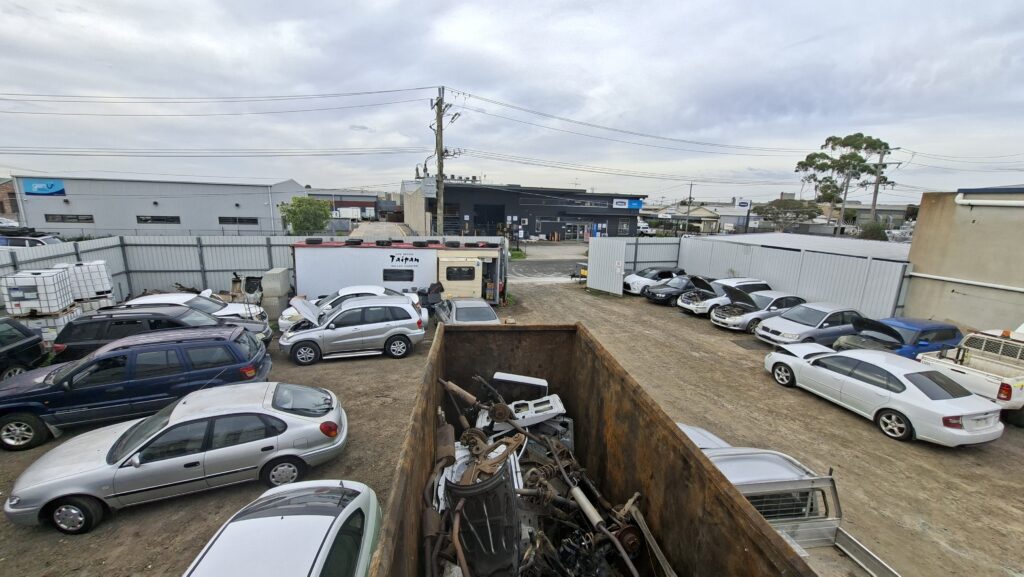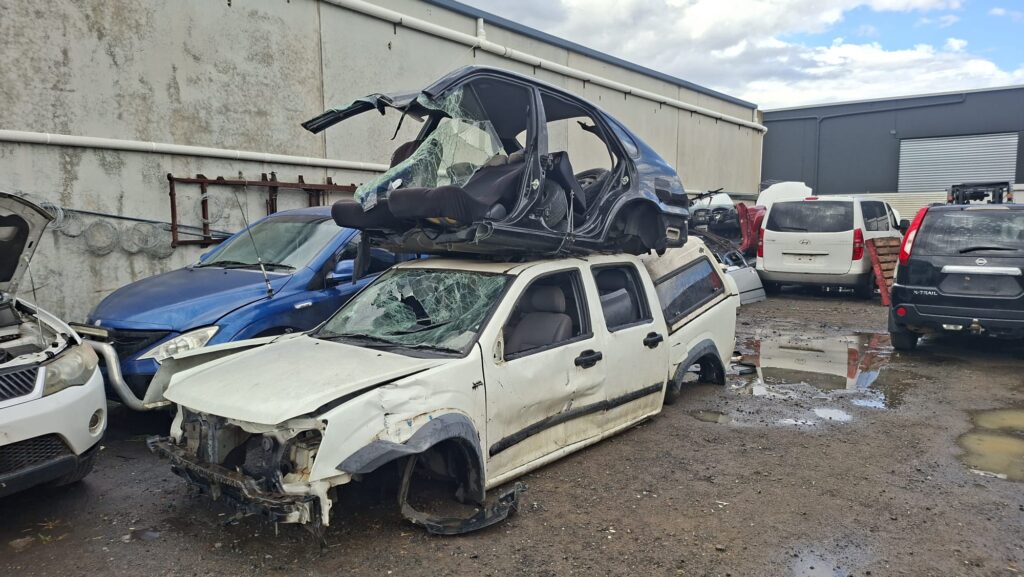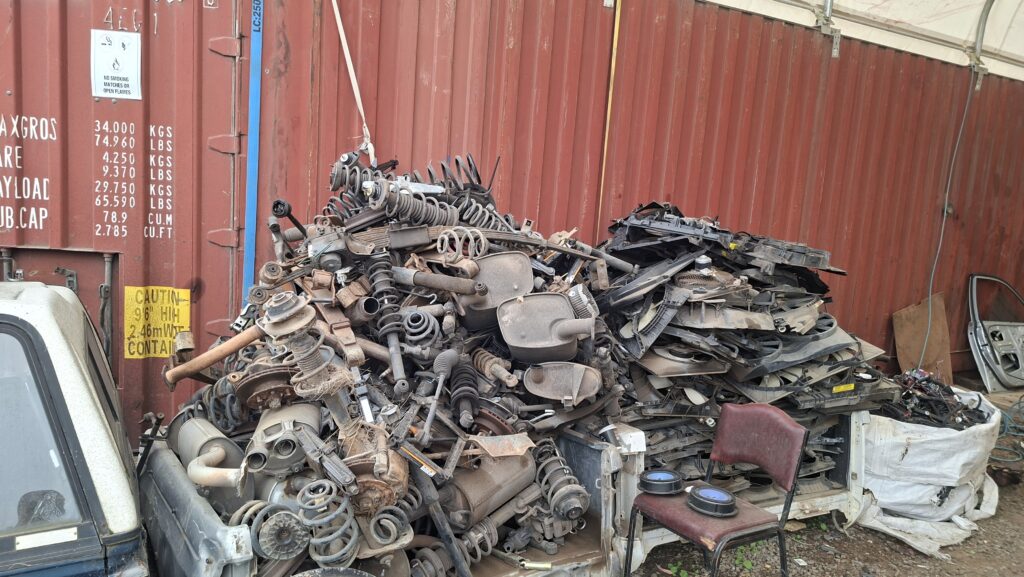
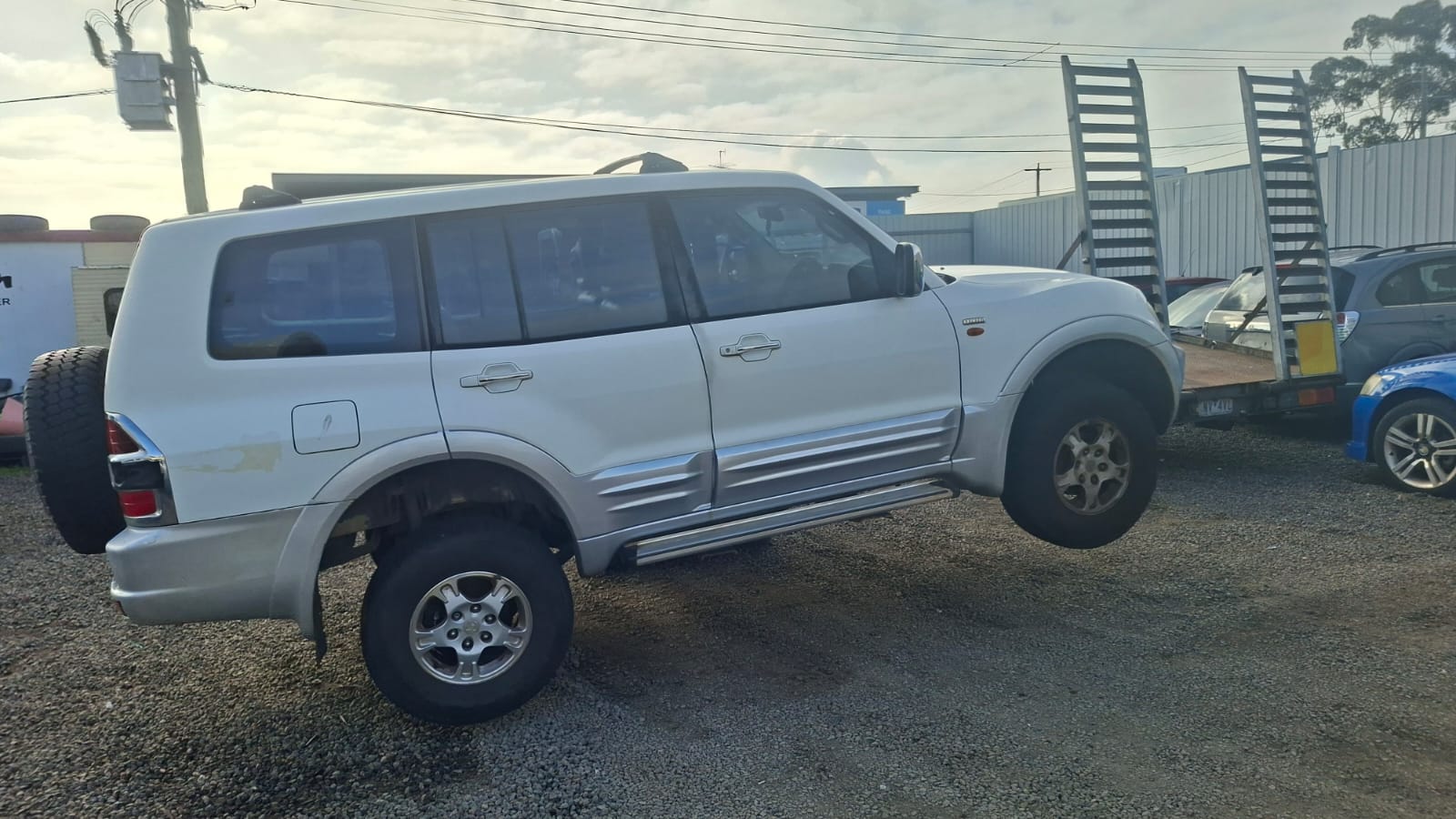
When an old, damaged, or unwanted vehicle reaches the end of its useful life, car wreckers can play an important role in recovering its remaining value. Rather than simply treating the vehicle as waste, professional wreckers dismantle it, identify reusable components, and separate materials for recycling.
For vehicle owners in Geelong, understanding how the dismantling process works can make it easier to see what happens to a vehicle after it leaves the driveway.
A professional vehicle dismantling process can involve everything from an initial inspection and depollution to parts recovery, material separation, and recycling.
Quick Answer
Car wreckers dismantle unwanted vehicles to recover usable parts and recyclable materials. The process generally involves vehicle inspection, safe removal of fluids and hazardous components, recovery of reusable parts, separation of materials, and recycling of the remaining vehicle.
Key Takeaways
- Car wreckers recover useful components from end-of-life vehicles.
- Vehicles are inspected before dismantling.
- Hazardous fluids are removed safely.
- Reusable parts can be recovered and inspected.
- Metals and other materials are separated for recycling.
- The process helps reduce automotive waste.
What Are Car Wreckers?
Understanding What a Car Wrecker Does
A car wrecker is a business involved in dismantling vehicles and recovering components that can still be useful.
Vehicles may reach a wrecker because they are:
- Too old to repair economically
- Accident damaged
- No longer running
- Unwanted
- End-of-life vehicles
- Costly to maintain
Instead of allowing these vehicles to sit unused or become waste, wreckers can recover their remaining resources.
Step 1: Vehicle Inspection
Every Vehicle Is Different
The dismantling process normally starts with an inspection.
The vehicle may be assessed for:
- Make and model
- Age
- Overall condition
- Accident damage
- Mechanical components
- Electrical systems
- Reusable parts
- Recyclable materials
This allows the wrecker to determine which components may have further use.
Step 2: Identifying Reusable Components
Parts With Remaining Life Are Recovered
A vehicle can contain many components that remain useful even when the car itself is no longer suitable for driving.
Depending on condition, these can include:
- Engines
- Transmissions
- Alternators
- Starter motors
- Radiators
- Alloy wheels
- Mirrors
- Doors
- Headlights
- Electronic modules
Recovering these components helps keep useful automotive resources in circulation.
Step 3: Safe Removal of Fluids
Depollution Is an Important Stage
Before extensive dismantling takes place, hazardous fluids need to be handled appropriately.
These may include:
- Engine oil
- Coolant
- Brake fluid
- Transmission fluid
- Fuel
- Power steering fluid
Proper fluid handling helps reduce the risk of environmental contamination and makes the dismantling process safer.
Step 4: Dismantling the Vehicle
Components Are Removed Systematically
Once the vehicle has been prepared, suitable components are removed.
Professional dismantling can involve:
- Mechanical components
- Electrical components
- Interior parts
- Body panels
- Wheels
- Lighting assemblies
The aim is to recover as many usable components and recyclable materials as reasonably possible.
Step 5: Parts Are Inspected
Not Every Removed Part Can Be Reused
Removing a component does not automatically mean that it is suitable for another vehicle.
Parts may be inspected for:
- Damage
- Wear
- Corrosion
- Compatibility
- General condition
Only components considered suitable for their intended purpose should be reused.
Step 6: Remaining Materials Are Recycled
The Vehicle Shell Still Has Value
After reusable parts have been removed, the remaining vehicle contains significant amounts of recyclable material.
Common materials include:
- Steel
- Aluminium
- Copper
- Glass
- Plastic
- Rubber
These materials can be separated and processed through appropriate recycling channels.
Why Do People Use Car Wreckers?
A Practical Option for End-of-Life Vehicles
There are many reasons a vehicle owner may contact a wrecker.
The Vehicle Is Too Old
Older vehicles can become increasingly expensive to maintain.
Repairs Are No Longer Practical
Sometimes the cost of major repairs is difficult to justify compared with the vehicle’s overall condition.
The Vehicle Has Accident Damage
A severely damaged car may still contain valuable components.
The Vehicle No Longer Runs
A non-running vehicle can still contain reusable parts and recyclable materials.
How Car Wreckers Create Value From Old Vehicles
An end-of-life vehicle may look like nothing more than an unwanted car, but it can contain hundreds of components and materials that still have practical value.
Car wreckers create value by separating these resources and determining how each one can be used.
A vehicle may provide value through:
- Reusable mechanical components
- Replacement body panels
- Electrical components
- Wheels and tyres
- Recyclable metals
- Glass and plastics
This approach helps ensure that useful resources aren’t unnecessarily discarded.
Reusable Parts vs Recyclable Materials
What’s the Difference?
Not everything removed from a vehicle follows the same pathway.
| Reusable Parts | Recyclable Materials |
|---|---|
| Engines | Steel |
| Transmissions | Aluminium |
| Alternators | Copper |
| Starter motors | Glass |
| Mirrors | Plastics |
| Headlights | Rubber |
| Electronic components | Other recoverable materials |
Reusable components can potentially serve another vehicle, while recyclable materials are processed to become raw material for future products.
How Car Wreckers Help Reduce Automotive Waste
Keeping Materials Out of Landfill
Vehicle dismantling can significantly reduce the amount of automotive material that becomes waste.
Instead of disposing of an entire vehicle as one unit, professional dismantling separates its different components and materials.
This can help:
- Reduce landfill waste.
- Recover valuable resources.
- Reduce demand for new raw materials.
- Support material recycling.
- Extend the useful life of vehicle components.
Environmental Benefits of Vehicle Dismantling
Recycling Supports Resource Conservation
Manufacturing new materials often requires mining, processing, energy, and transportation.
Recovering materials from an existing vehicle can reduce the need for some of these processes.
For example, recycled steel and aluminium can re-enter manufacturing supply chains rather than being discarded.
Safe Handling of Automotive Fluids
Vehicle fluids require responsible handling because improper disposal can create environmental risks.
Professional dismantling processes account for fluids such as:
- Engine oil
- Coolant
- Brake fluid
- Transmission fluid
Safe removal and appropriate management help reduce the risk of contamination.
Car Wreckers vs Scrap Yards
Are They the Same Thing?
The terms are sometimes used interchangeably, but their focus can differ.
| Car Wreckers | Scrap Yards |
|---|---|
| Focus on vehicle dismantling | Often focus on material recovery |
| Recover usable vehicle parts | Primarily process scrap materials |
| Inspect components | Sort and process materials |
| Recycle remaining vehicle materials | Handle various types of scrap |
| Automotive-specific operation | May handle multiple industries |
Some businesses can perform both vehicle dismantling and scrap recycling, so it’s useful to check exactly what services are offered.
How to Prepare Your Vehicle for a Wrecker
Remove Personal Items
Before handing over your vehicle, check:
- Glove compartment
- Boot
- Centre console
- Door pockets
- Under the seats
Small items can easily be forgotten.
Gather Vehicle Information
Have basic information available, such as:
- Make
- Model
- Year
- Registration details where applicable
- Vehicle identification information
- General condition
Accurate information makes the initial discussion easier.
Explain the Vehicle’s Condition
Be upfront about whether the vehicle:
- Starts
- Drives
- Has accident damage
- Has missing components
- Has mechanical problems
- Is accessible for collection
This allows the wrecker to make appropriate arrangements.
What Should You Look For in Car Wreckers?
If you’re comparing car wreckers in Geelong, consider more than just the initial offer.
Look for:
Clear Communication
The business should clearly explain the process and what information they require.
Suitable Collection Arrangements
If your vehicle cannot be driven, confirm how collection will be handled.
Responsible Recycling
Ask how reusable parts and recyclable materials are processed.
Transparent Process
Avoid unnecessary confusion by choosing a business that explains the next steps clearly.
Expert Tips
Don’t Assume a Non-Running Car Has No Value
A vehicle that won’t start may still contain valuable components and recyclable materials.
Don’t Remove Parts Without Understanding the Consequences
Removing components yourself can change the condition and recycling potential of the vehicle.
Be Accurate About Vehicle Condition
Providing accurate details helps avoid surprises during inspection or collection.
Compare the Complete Service
Consider the overall process rather than focusing only on one part of the transaction.
People Also Ask
What exactly do car wreckers do?
Car wreckers dismantle unwanted vehicles to recover usable parts and recyclable materials. They may inspect vehicles, remove hazardous fluids, recover components, and process remaining materials.
Can car wreckers take damaged vehicles?
Yes, many wreckers assess accident-damaged vehicles. The extent of damage and condition of remaining components will determine the vehicle’s recycling potential.
Do car wreckers recycle old vehicles?
Yes. After reusable components are recovered, remaining materials such as steel, aluminium, copper, glass, and plastics can be processed for recycling.
Can a non-running car go to a wrecker?
Yes. Non-running vehicles can still contain reusable parts and recyclable materials and may be suitable for professional vehicle dismantling.
Are car wreckers environmentally friendly?
Responsible car wreckers can reduce automotive waste by recovering reusable components, recycling materials, and safely handling hazardous vehicle fluids.
Frequently Asked Questions
How long does vehicle dismantling take?
The timeframe depends on the vehicle, its condition, the number of recoverable components, and the processes used by the individual wrecker.
What happens to parts that cannot be reused?
Components that are unsuitable for reuse may be directed toward appropriate material recovery or recycling processes where possible.
Can old cars be recycled?
Yes. Most end-of-life vehicles contain significant amounts of recyclable material.
Why are car parts removed before recycling the vehicle?
Recovering suitable parts first allows them to potentially serve another vehicle rather than being processed solely as scrap material.
Do car wreckers only deal with cars?
Some businesses may handle additional vehicle types, but this depends on their services and facilities.
Final Thoughts
Car wreckers play an important role in the end-of-life vehicle industry by transforming unwanted vehicles into sources of reusable parts and recyclable materials.
The process usually begins with inspection and depollution, followed by dismantling, parts recovery, material separation, and recycling. This approach allows valuable components to remain in use while reducing unnecessary automotive waste.
For vehicle owners in Geelong, choosing a professional wrecker can provide a practical pathway for dealing with an old, damaged, or unwanted vehicle while supporting responsible resource recovery