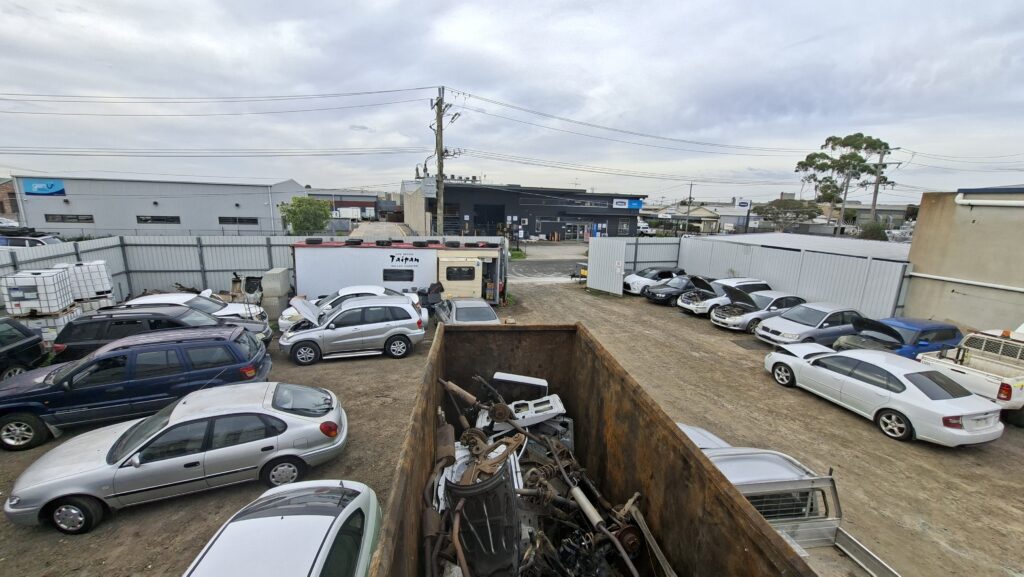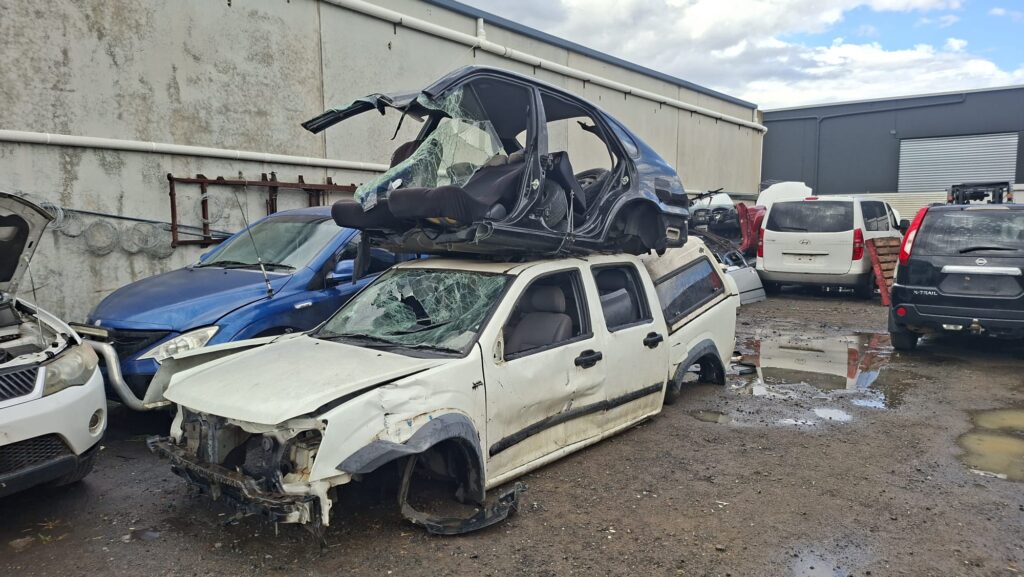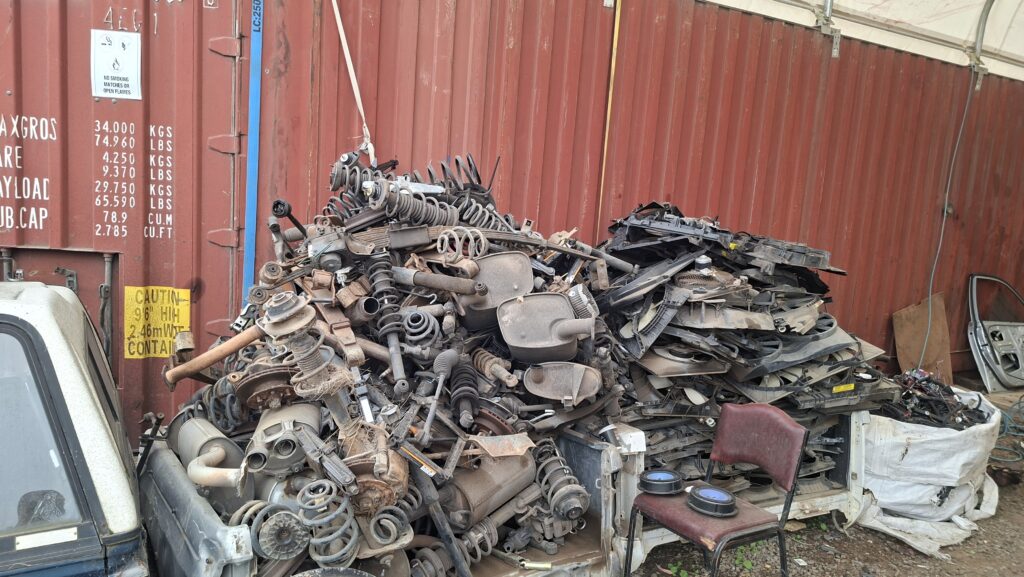
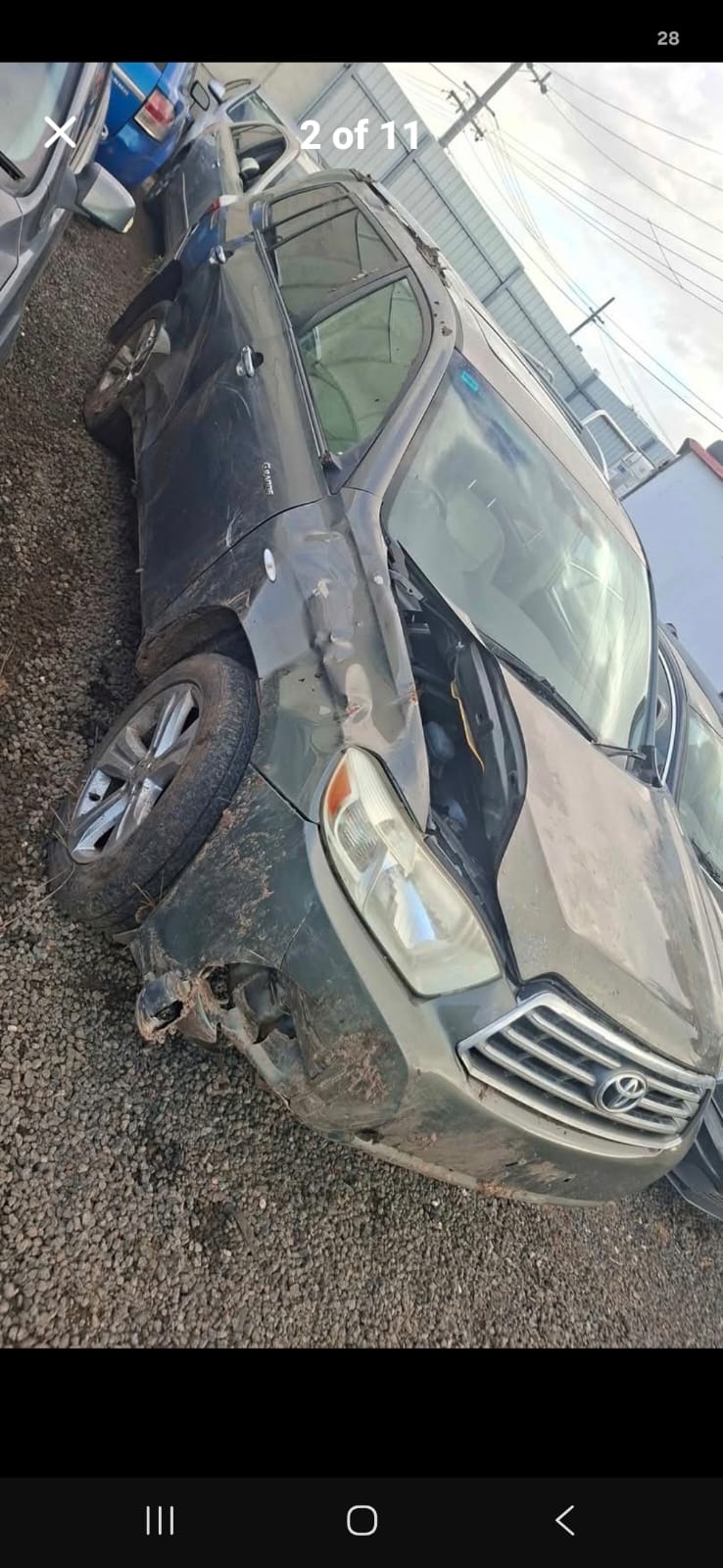
When an old or damaged vehicle reaches the end of its useful life, there is much more involved in recycling it than simply removing the engine and crushing the body.
A modern vehicle contains oils, coolants, fuel residues, batteries, tyres, plastics, glass, metals and many other materials. Before the useful parts and metal can be recovered, these different materials need to be identified and handled appropriately.
This is an important part of the work carried out in the vehicle recycling industry and is something many vehicle owners do not think about when searching for Geelong wreckers cars.
Understanding what happens to these materials can give you a clearer picture of what happens to your car after it leaves your property.
Quick Answer: What Happens to Vehicle Fluids and Materials?
When an end-of-life vehicle is processed, fluids and other potentially harmful materials can be removed before further dismantling and recycling.
Depending on the vehicle, this can include engine oil, coolant, transmission fluid, brake fluid, fuel residues and other automotive fluids.
Batteries, tyres, glass, plastics and metals can also be separated so that suitable materials can be reused, recycled or handled through appropriate disposal processes.
Why Can’t an Old Car Simply Be Crushed?
A vehicle may look like one large object, but it is actually made up of many different materials.
Inside a typical car you can find:
- Steel
- Aluminium
- Copper
- Plastics
- Glass
- Rubber
- Automotive fluids
- Battery materials
- Electrical components
- Interior fabrics and materials
Some of these materials can be recycled directly, while others need to be removed or separated before the vehicle can continue through the recycling process.
This makes vehicle preparation an important part of responsible automotive recycling.
What Happens to Engine Oil?
Engine oil is one of the most obvious fluids found in an end-of-life vehicle.
Even when a car no longer runs, oil may still remain inside the engine and associated systems.
During vehicle processing, fluids can be identified and removed before further dismantling.
Used automotive oil should not simply be poured onto the ground or into household drains because it can contaminate soil and water.
Proper handling allows suitable used oil to enter appropriate recycling or waste-management channels.
What Happens to Coolant?
Coolant is another important fluid found in many vehicles.
It helps regulate engine temperature while the vehicle is operating, but it should not be treated as ordinary water when a vehicle reaches the end of its life.
During vehicle processing, coolant can be removed from the relevant systems before dismantling continues.
This helps prevent unnecessary contamination and allows the material to be handled through appropriate waste or recycling processes.
What About Transmission Fluid?
Automatic and manual vehicles can contain transmission-related fluids.
Like engine oil, these fluids need to be dealt with as part of the vehicle’s end-of-life preparation.
Removing automotive fluids before dismantling helps separate materials that can be recycled from those that require different handling.
What Happens to Brake Fluid?
Brake fluid is another automotive fluid that can remain inside an unwanted vehicle.
It is not something that should simply be released onto the ground.
During professional vehicle processing, automotive fluids can be identified and removed as part of preparing the vehicle for further dismantling and material recovery.
What Happens to Fuel Left in the Vehicle?
An old car can still contain fuel or fuel residues even when it has not been driven for a long time.
This is particularly important when dealing with vehicles that no longer run.
Fuel-related materials need to be handled carefully during vehicle processing before dismantling and recycling can continue.
The exact procedure depends on the vehicle and its condition.
What Happens to the Car Battery?
A vehicle battery is another component that requires separate consideration.
Batteries contain materials that should not simply be discarded with ordinary household waste.
During vehicle dismantling, the battery can be removed and directed toward an appropriate recovery or recycling process.
Depending on the battery type, useful materials can potentially be recovered for further use.
Can Car Batteries Be Recycled?
Yes, many automotive batteries contain recoverable materials.
This is one reason batteries are separated from the vehicle rather than simply remaining attached to the car shell during the recycling process.
Recovering materials from batteries can reduce the amount of material requiring disposal and allows suitable resources to remain within recycling systems.
What Happens to Old Tyres?
Tyres are another major component of end-of-life vehicles.
A vehicle may have four tyres plus a spare, depending on its configuration.
Tyres can be separated from the vehicle and handled through appropriate tyre-recycling or recovery channels.
Depending on their condition, tyres may have different possible uses or processing routes.
What Happens to the Glass?
Cars contain more glass than many people realise.
This can include:
- Windscreens
- Side windows
- Rear windows
- Mirrors
- Other glass components
Glass can be separated from the vehicle during dismantling.
Where suitable recycling systems are available, recovered glass can be processed rather than simply becoming part of the general vehicle waste stream.
What Happens to Plastic Components?
Modern vehicles contain many plastic components.
These can be found throughout:
- Dashboards
- Door trims
- Bumpers
- Interior panels
- Engine compartments
- Electrical components
Some plastics may be suitable for recovery or recycling, depending on their type and condition.
Separating materials can help make the recycling process more efficient.
What Happens to Steel and Other Metals?
After fluids and selected components have been removed, the remaining vehicle structure contains significant quantities of metal.
Steel is one of the major materials found in vehicle bodies.
Other vehicles can also contain:
- Aluminium
- Copper
- Zinc
- Other metal alloys
These materials can be separated and processed for recycling.
This is one of the main reasons an end-of-life vehicle can continue to have material value even when it can no longer be used as a complete car.
Why Is Material Separation Important?
Imagine putting engine oil, tyres, glass, plastic and steel into one mixed pile.
Recovering useful materials from that mixture would be much more difficult.
Separating materials earlier in the process makes it easier to direct different components toward their appropriate recovery, recycling or disposal pathways.
This is why vehicle dismantling is not simply about taking a car apart.
It is also about identifying different materials and handling them appropriately.
What Happens to Reusable Parts?
Before the vehicle shell is processed for metal recovery, suitable components may be identified for reuse.
Depending on the vehicle, these can include:
- Engines
- Gearboxes
- Alternators
- Starter motors
- Lights
- Mirrors
- Doors
- Seats
- Electrical components
- Wheels
The condition of each component determines whether it is suitable for reuse.
A damaged vehicle may still contain many parts that were unaffected by the damage.
Does a Non-Running Car Still Have Recycling Value?
Yes.
A vehicle does not have to be operational to contain recyclable materials.
Even a car that will never start again can contain:
- Recyclable metals
- Glass
- Plastics
- Rubber
- Electrical components
- A battery
- Reusable parts
This is why Geelong wreckers cars can include vehicles that are damaged, old or non-running.
What Happens to a Car After Valuable Parts Are Removed?
Once suitable reusable components and specific materials have been recovered, the remaining vehicle structure can move toward further material processing.
The vehicle shell can be processed so that metals and other recoverable materials can be separated.
The exact process varies according to the vehicle, facility and recycling methods being used.
How Does This Reduce Vehicle Waste?
Vehicle recycling allows different materials to be recovered instead of treating the entire car as one waste product.
For example:
Metal → can be recovered for recycling.
Glass → can potentially enter appropriate glass-recycling streams.
Tyres → can be separated for recovery or recycling.
Batteries → can be directed toward battery recovery processes.
Reusable parts → can potentially be used again.
Automotive fluids → can be handled through appropriate waste-management channels.
This material-by-material approach helps make better use of an end-of-life vehicle.
Why This Matters When Choosing Geelong Wreckers
If you are looking for Geelong wreckers, you may initially be focused on the price offered for your vehicle.
However, the process after collection is also worth understanding.
Ask yourself:
- What happens to reusable parts?
- How is the vehicle dismantled?
- Are recyclable materials separated?
- How are automotive fluids handled?
- What happens to the battery?
- What happens to the remaining vehicle shell?
Understanding the end-of-life process gives you a clearer picture of where your unwanted vehicle goes.
What Should You Do Before Your Car Is Collected?
There are several simple things you can do before handing over an unwanted vehicle.
Remove Personal Belongings
Check the boot, glove box, centre console, door pockets and underneath the seats.
Remove Important Documents
Keep any personal or vehicle-related documents you need.
Tell the Buyer About the Vehicle’s Condition
Mention if the vehicle is non-running, accident-damaged or missing major components.
Do Not Attempt to Drain Fluids Yourself
Automotive fluids can require appropriate handling. If the vehicle is being collected for professional dismantling, allow the appropriate vehicle-processing process to deal with them.
Confirm Collection Details
Make sure the pickup location and access arrangements are clearly understood.
Geelong Wreckers Cars and Responsible Vehicle Recycling
An end-of-life car contains far more than just scrap metal.
Its fluids, battery, tyres, glass, plastics, electrical systems and metal structure all form part of the vehicle’s recycling journey.
Professional vehicle dismantling can separate these materials so that suitable components can be recovered, recyclable materials can be processed and remaining waste can be handled appropriately.
This makes vehicle recycling a much more detailed process than simply sending an old car to a crusher.
Frequently Asked Questions
What happens to the oil in a scrap car?
Used engine oil can be removed during vehicle processing and directed toward appropriate handling, recycling or waste-management channels.
What happens to an old car battery?
The battery can be removed from the vehicle and directed toward suitable recovery or recycling processes.
Can tyres from scrap cars be recycled?
Tyres can be separated from end-of-life vehicles and may be directed toward appropriate recovery or recycling pathways depending on their condition and available facilities.
What happens to coolant in an old car?
Coolant can be removed during vehicle processing so it can be handled appropriately rather than being released into the environment.
Can a non-running car still be recycled?
Yes. A non-running vehicle can still contain recyclable metals, glass, plastics, rubber and other materials.
Are car parts recycled or reused?
It depends on their condition. Suitable parts may be recovered for reuse, while damaged or unsuitable components may be directed toward recycling or appropriate disposal.
Why are fluids removed before recycling a car?
Removing automotive fluids helps separate materials and prevents fluids from unnecessarily contaminating other recyclable materials during the dismantling process.
Key Takeaways
- An end-of-life vehicle contains many different materials, not just metal.
- Engine oil, coolant, transmission fluid and other automotive fluids require appropriate handling.
- Car batteries can be separated for recovery and recycling.
- Tyres, glass and plastics can also be separated during vehicle processing.
- Steel, aluminium and other metals can be recovered from vehicle structures.
- Suitable vehicle parts may be reused rather than discarded.
- Non-running vehicles can still have significant recycling potential.
- Material separation is an important part of responsible vehicle recycling.
- Understanding the recycling process can help you make a more informed choice when dealing with Geelong wreckers cars.
Final Thoughts
When an unwanted vehicle leaves your driveway, its journey does not end there.
A car can contain dozens of different materials, from engine oil and coolant to batteries, tyres, glass, plastics and recyclable metals. Each material may require a different approach during the vehicle’s end-of-life process.
This is why modern vehicle recycling involves much more than simply crushing an old car.
For Geelong vehicle owners searching for Geelong wreckers cars, understanding how fluids, components and recyclable materials are handled can provide a clearer picture of the value and purpose of responsible vehicle recycling.