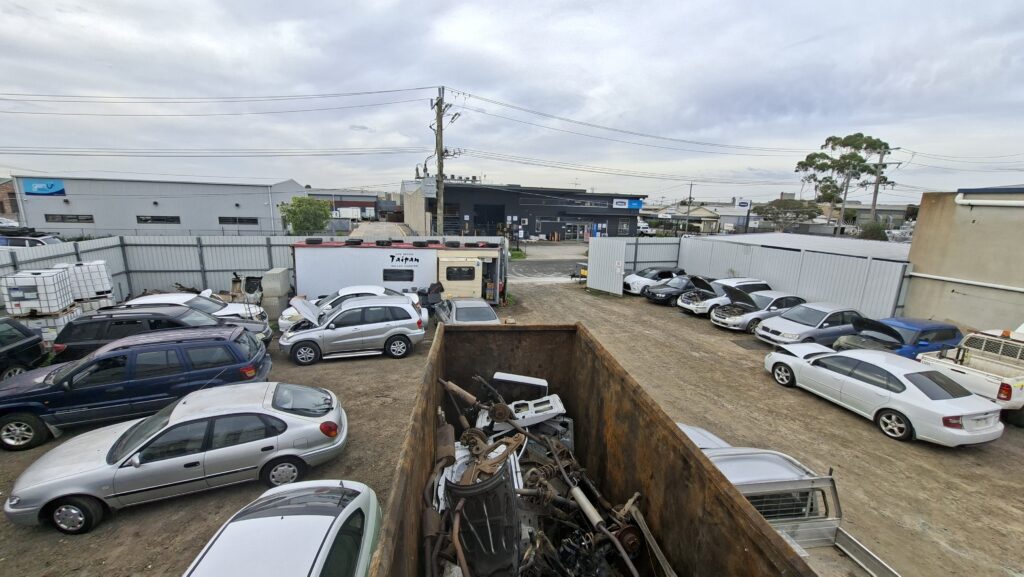
An unused car can sit quietly in a driveway, garage or side of the property for months without seeming like an urgent problem.
But over time, an unwanted vehicle can take up valuable space, deteriorate and become increasingly difficult to deal with.
For some Geelong vehicle owners, the question is not simply “Can I sell my car?” but rather “Is it time to let this car go?”
If you have a vehicle that has not been driven for a long time, understanding the signs that it may be ready for a wrecker can help you make a practical decision.
Quick Answer: When Should You Consider Selling an Unused Car?
Consider selling an unused car when you no longer have a realistic plan to drive or repair it, the cost of keeping it is increasing, it has been sitting unused for an extended period, or it is taking up space that you could use for something else.
An old car does not have to be completely worthless before you decide to let it go.
Why Do Cars End Up Sitting Unused?
There are many reasons a vehicle can become an unused car.
Perhaps the owner:
- Bought another vehicle
- Stopped using the car for work
- Moved to a different location
- Could not afford a major repair
- Had an accident
- Lost interest in repairing an older vehicle
- Kept the car as a future project
- Simply stopped needing it
At first, keeping the vehicle may seem harmless.
The problem is that “I will deal with it later” can easily turn into several months or even years.
Sign #1: You Have Not Driven the Car for a Long Time
One of the simplest questions to ask is:
When was the last time you actually drove this vehicle?
If you cannot remember the last time the car was used, that may be a sign that it no longer serves a useful purpose.
A vehicle that remains parked for a long period can gradually deteriorate, even when it initially appeared to be in reasonable condition.
If you have no realistic plans to use it again, selling it may be worth considering.
Sign #2: The Repair Bill Keeps Getting Bigger
Older vehicles can eventually require more frequent repairs.
A single repair might seem manageable, but multiple issues can change the economics of keeping the vehicle.
You may find yourself dealing with:
- Engine problems
- Transmission issues
- Suspension repairs
- Electrical faults
- Brake problems
- Cooling-system issues
- Body damage
If the vehicle needs substantial work before it can become useful again, compare the expected repair cost with the vehicle’s actual value and your plans for it.
Sign #3: You Already Have Another Vehicle
Many unused cars become unwanted simply because the owner has replaced them.
The old vehicle may remain parked because there was never a convenient time to sell it.
Meanwhile, the new vehicle becomes the primary form of transport and the old one is rarely touched.
If you have already moved on to another vehicle and have no practical reason to keep the old one, it may be time to consider selling it.
Sign #4: The Car Is Taking Up Valuable Space
Driveway and garage space can be surprisingly valuable.
An unused vehicle can prevent you from using that space for:
- Another vehicle
- Storage
- A workshop
- Household projects
- Easier access around the property
If the car has not been useful for a long time, clearing the space may be a strong reason to sell it.
Sign #5: You Keep Delaying the Repair
A common pattern is:
“I will repair it next month.”
Then next month becomes another month.
Eventually, the vehicle remains untouched while the list of problems becomes longer.
If you have repeatedly postponed repairs because of cost, time or convenience, it may be worth reassessing whether repairing the car is still your preferred option.
Sign #6: The Vehicle Is No Longer Economical to Maintain
Keeping a vehicle can involve more than repair bills.
Depending on your circumstances, you may also have ongoing costs associated with:
- Registration
- Insurance
- Maintenance
- Storage
- Repairs
- Battery replacement
- General upkeep
If you are spending money on a vehicle that you rarely or never use, selling it may be more practical.
Sign #7: The Car Is No Longer Reliable
A vehicle does not necessarily have to be completely broken to become unwanted.
If you no longer trust it for everyday travel because of repeated breakdowns or mechanical problems, its practical value to you may have declined.
Constantly wondering whether the car will start or whether another problem will appear can make keeping an older vehicle frustrating.
Sign #8: It Has Been Damaged in an Accident
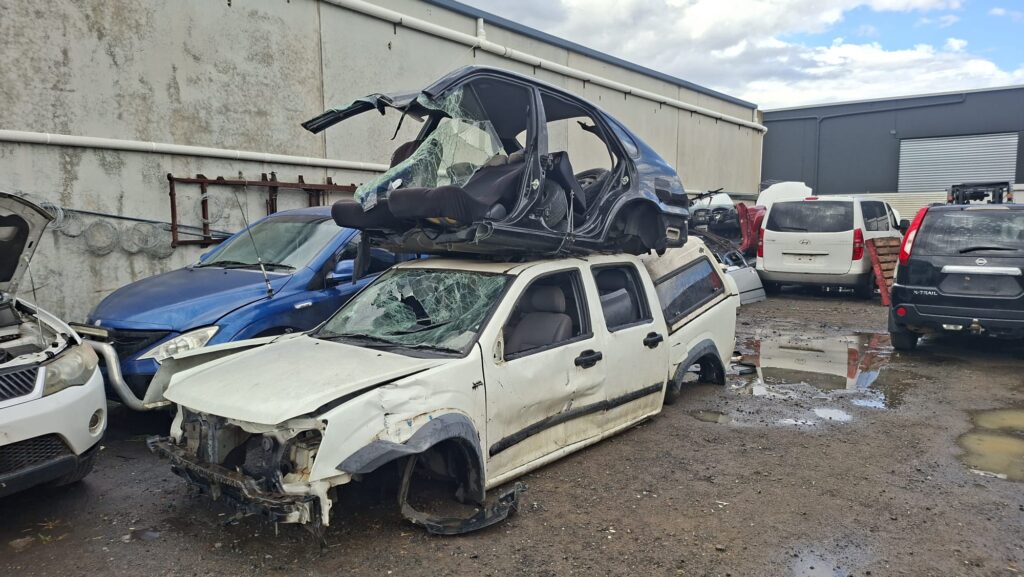
An accident can completely change the way you view a vehicle.
Even when a car can technically be repaired, the total repair cost may make the decision difficult.
If the vehicle has substantial damage and you are unsure whether repairing it makes financial sense, getting it assessed by wreckers in Geelong can help you understand your alternatives.
Sign #9: The Vehicle Does Not Run
A non-running car can become particularly difficult to keep.
It may require towing before it can even reach a mechanic, and diagnosing the problem can create additional expense.
However, a vehicle does not necessarily need to run to have potential value.
Its parts and recyclable materials may still make it suitable for a vehicle wrecker or scrap car buyer.
Sign #10: You Have Stopped Seeing a Future for the Car
Sometimes the clearest sign is simply that you no longer have a plan for the vehicle.
Ask yourself:
- Am I realistically going to repair it?
- Will I actually drive it again?
- Do I have enough space to keep it?
- Is it worth continuing to spend money on?
- Would I rather have the space back?
- Have I already replaced it with another vehicle?
If the answers consistently point toward letting it go, keeping the car may no longer be worthwhile.
Does an Unused Car Lose Value Over Time?
An unused vehicle can deteriorate as it sits.
Depending on storage conditions and the vehicle’s condition, components can be affected by:
- Weather exposure
- Moisture
- Battery deterioration
- Tyre deterioration
- Rust
- General wear from age
This does not mean every unused car rapidly loses all value.
However, delaying a decision indefinitely may not necessarily improve the vehicle’s condition.
Is It Better to Repair or Sell an Unused Car?
There is no universal answer.
Consider the following questions:
How Much Will Repairs Cost?
Get a realistic idea of the repairs required rather than estimating based on a single obvious problem.
What Is the Car Worth?
Consider its age, condition and overall market situation.
Will You Actually Use It?
A repaired car only provides value if you have a reason to keep using it.
Are There Additional Problems?
One repair can sometimes reveal other mechanical or electrical issues.
Is Keeping It Convenient?
If the vehicle is taking up space and creating ongoing expenses, those factors should also be considered.
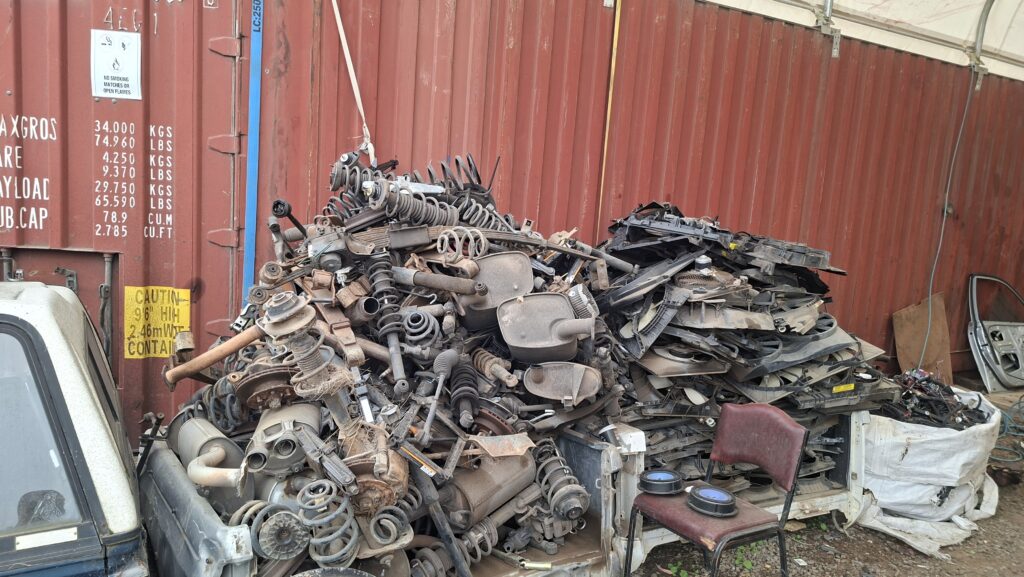
What If the Car Still Has Useful Parts?
An unwanted vehicle can still contain components that have practical value.
Depending on its condition, these can include:
- Engine components
- Transmission
- Wheels
- Lights
- Mirrors
- Body panels
- Electrical components
- Interior parts
This is one reason car wreckers can consider vehicles that owners no longer want to repair or drive.
What Happens When You Decide to Sell?
Once you decide that keeping the vehicle no longer makes sense, the next step is to contact a suitable local vehicle buyer or wrecker.
You can provide details such as:
- Make and model
- Approximate year
- Running status
- General condition
- Accident damage
- Missing components
- Vehicle location
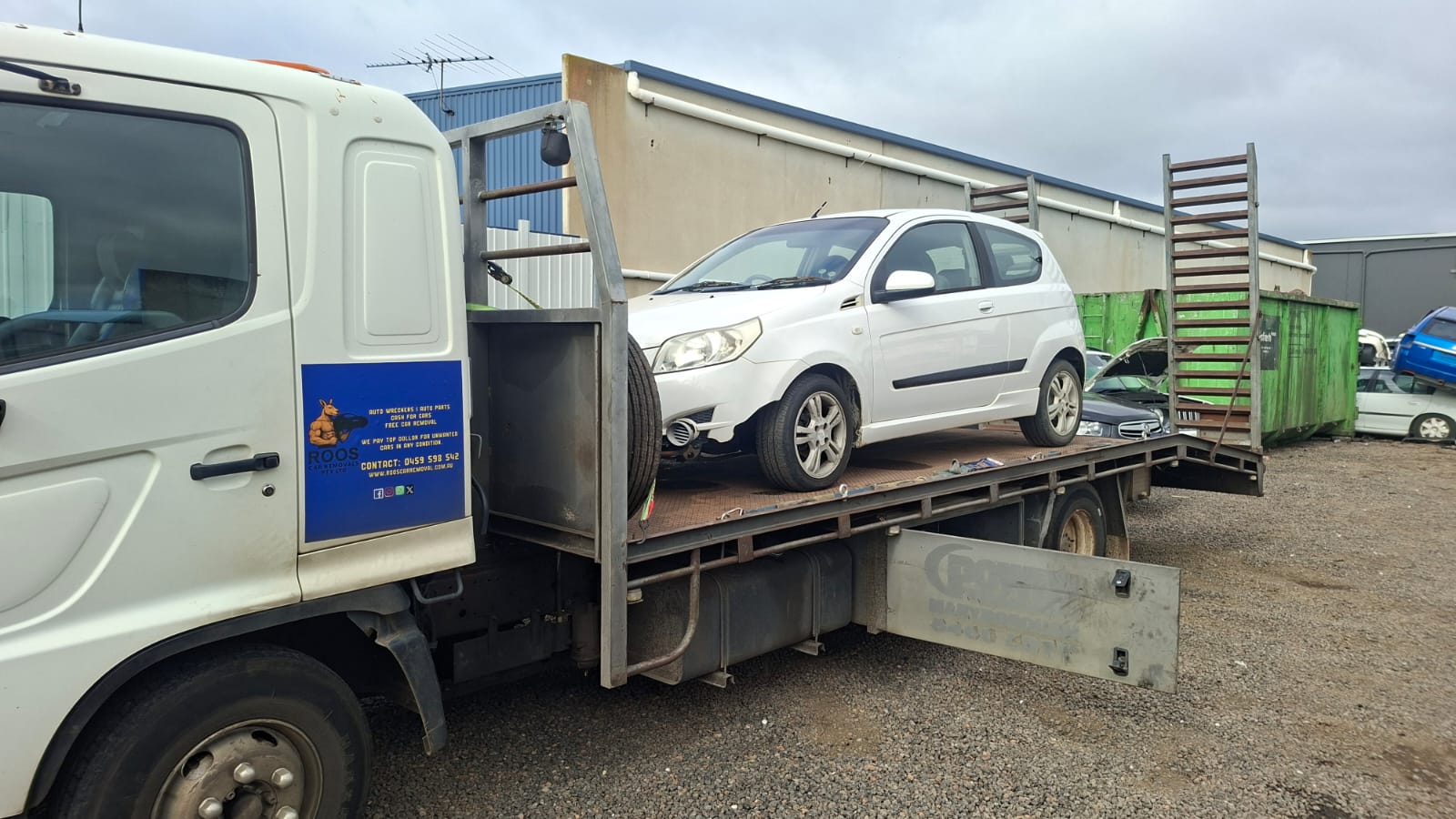
The vehicle can then be assessed and collection arrangements discussed.
What Should You Do Before the Car Is Collected?
Before handing over an unwanted vehicle, take a few simple steps.
Remove Personal Belongings
Check every storage area, including the boot, glove box and under the seats.
Remove Important Documents
Keep any personal or vehicle-related documents you need.
Check for Valuables
Look carefully before the vehicle leaves your property.
Explain the Vehicle’s Condition
Be clear about whether it runs, starts, has damage or is missing parts.
Confirm Collection Arrangements
Make sure the pickup location and access details are understood.
Why Local Wreckers Can Be a Practical Option
For Geelong vehicle owners, dealing with a local wrecker can simplify the process of moving an unwanted vehicle on.
Instead of continuing to store a car that you no longer use, you can have it assessed and determine whether selling it is suitable.
Local vehicle buyers can also provide a convenient option when the car is old, damaged or no longer running.
Wreckers in Geelong: What Can Happen to the Vehicle Afterwards?
Once an unwanted vehicle is collected, it can enter a vehicle recycling and parts-recovery process.
Depending on its condition, useful components may be recovered while recyclable materials can be separated for further processing.
This means selling an old vehicle does not necessarily mean everything becomes waste.
Parts that remain suitable for reuse can have another purpose, while recyclable materials can continue through the recycling system.
Frequently Asked Questions
How long should I keep an unused car?
There is no fixed period. If you have no realistic plans to use or repair the vehicle and it is becoming costly or inconvenient to keep, it may be time to consider selling it.
Can I sell a car that has been sitting unused for years?
Yes. An older unused vehicle can still be assessed based on its current condition, parts and recyclable materials.
Do wreckers buy cars that do not run?
Many wreckers consider non-running vehicles because they can still contain reusable parts and recyclable materials.
Is it worth repairing an old car before selling it?
It depends on the repair cost and the vehicle’s potential value. For major repairs, getting an assessment before spending money can help you compare your options.
Can accident-damaged cars be sold to wreckers?
Yes. Accident-damaged vehicles may still contain usable components and recyclable materials.
What should I remove from my car before selling it?
Remove personal belongings, valuables, documents and anything else you want to keep before collection.
Can an unused car still have value?
Yes. Even when a vehicle is old or non-running, its individual parts and recyclable materials may still have value.
Key Takeaways
- A car that has been unused for a long time may no longer be worth keeping.
- Increasing repair costs can be a reason to reassess an old vehicle.
- Non-running and accident-damaged cars can still have potential value.
- An unused car can take up useful driveway or garage space.
- Keeping an unwanted vehicle can involve ongoing costs and maintenance.
- Reusable parts may give an old vehicle value even when it is no longer practical to drive.
- Getting an assessment can help you compare repairing, keeping or selling the vehicle.
- Local wreckers in Geelong can provide an option for unwanted end-of-life vehicles.
Final Thoughts
Keeping an unused car can feel like a decision you can postpone indefinitely, but delaying the decision does not always make the vehicle more useful.
If the car has been sitting unused, requires expensive repairs, takes up valuable space or no longer fits your needs, it may be worth considering what alternatives are available.
For some Geelong vehicle owners, selling the vehicle to a professional wrecker can be a practical way to move on from an unwanted car while giving its reusable parts and recyclable materials another purpose.