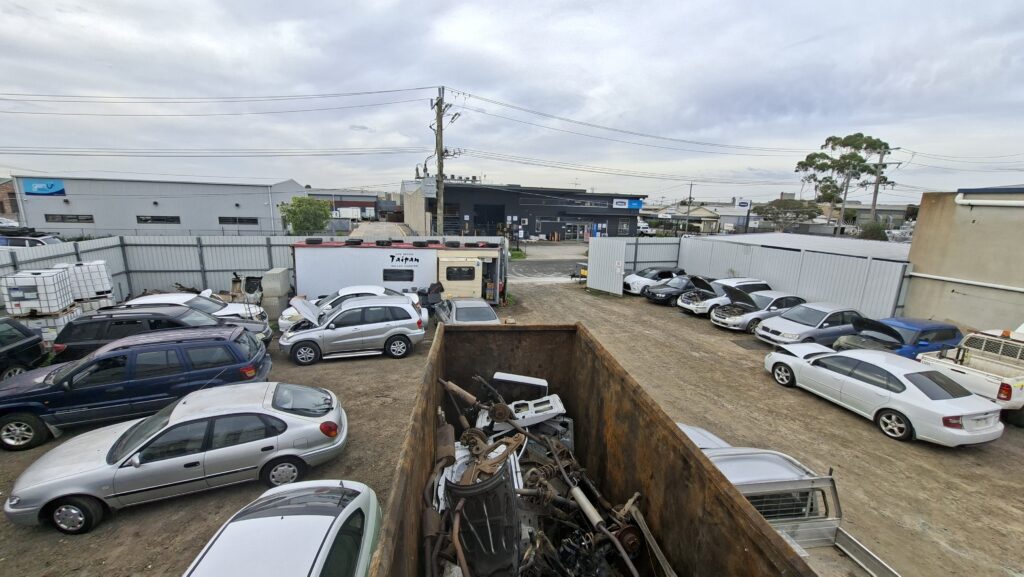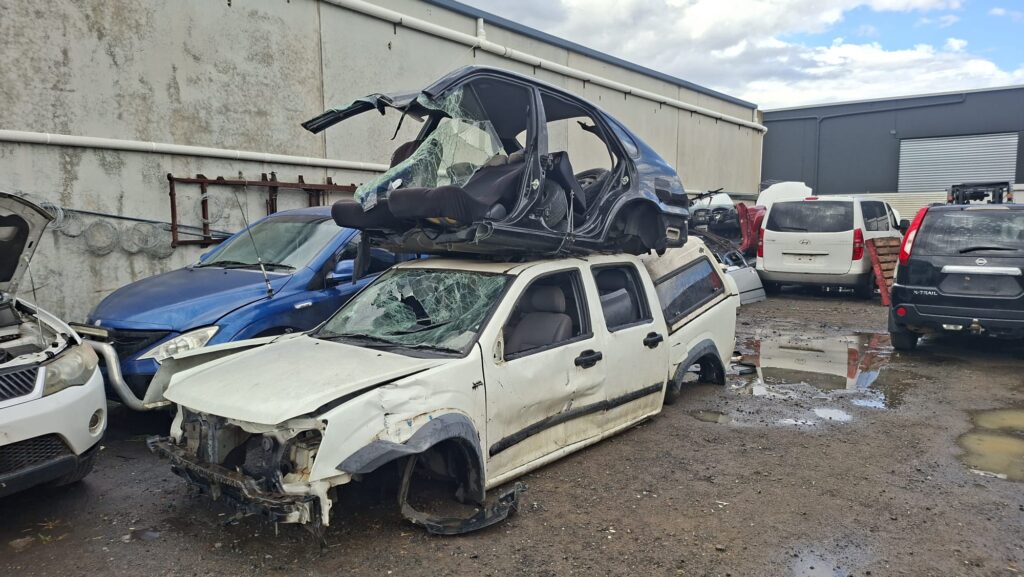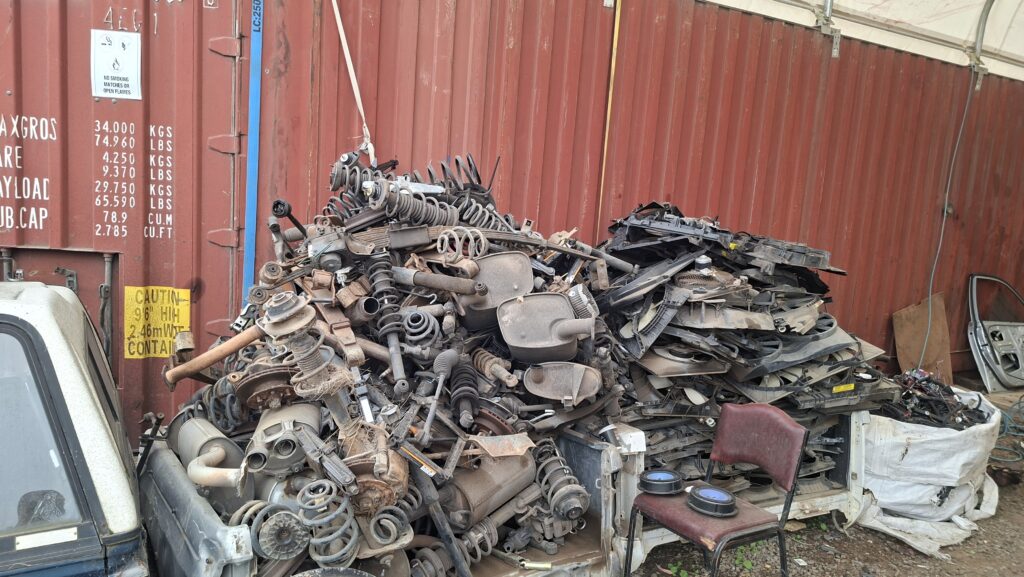
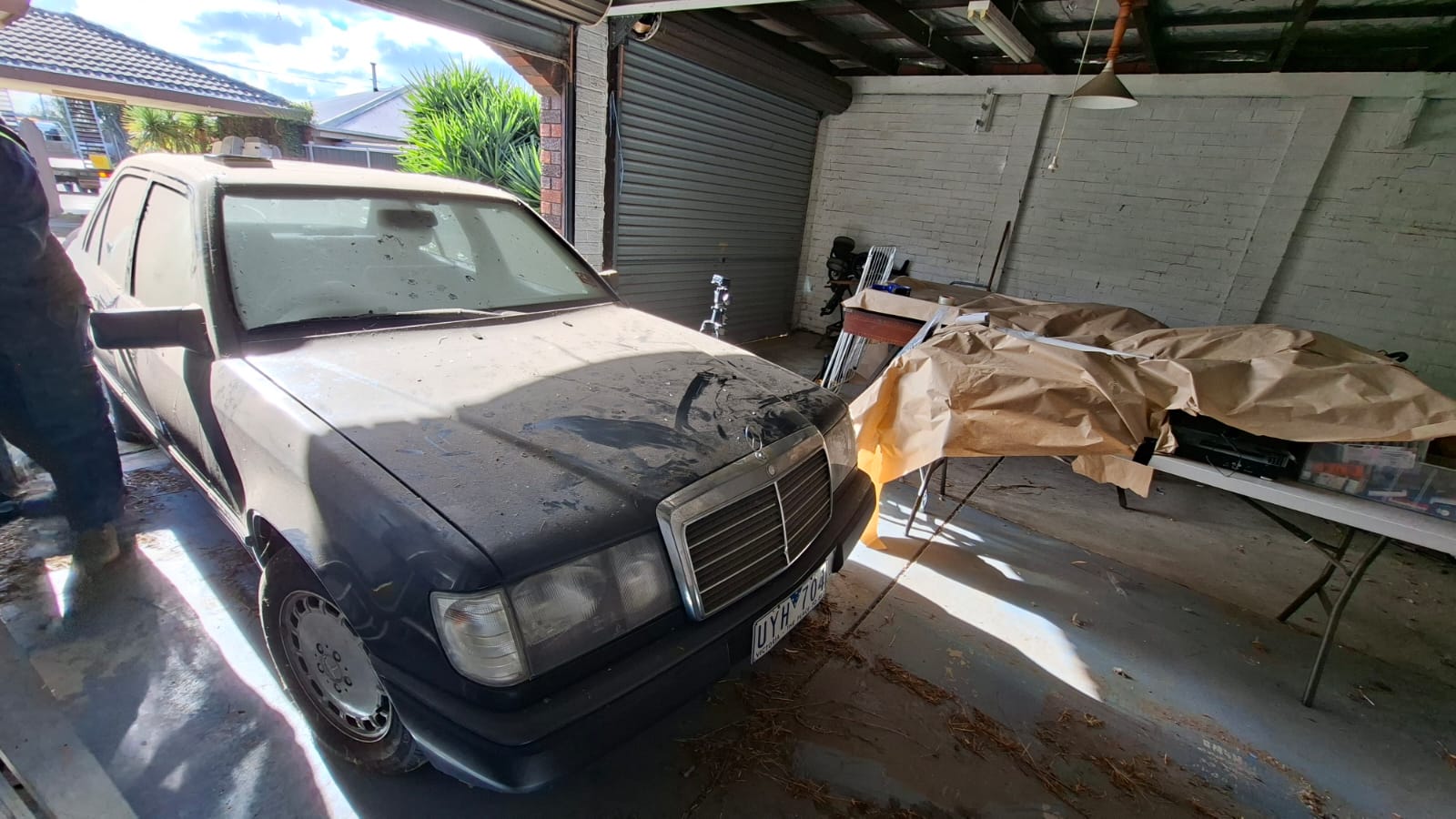
When an old vehicle is no longer practical to drive, it can be easy to assume that the car has reached the end of its value.
However, a vehicle that is no longer useful to its owner may still contain many components that can be recovered, reused or recycled.
This is one of the important roles of auto wreckers in Geelong. Instead of looking at an unwanted vehicle only as an old car, professional wreckers can assess its individual components and determine which parts may still be useful.
If you have an old, damaged or non-running vehicle sitting at home, understanding how parts recovery works can help you see why your car may still have value.
Quick Answer: Why Do Auto Wreckers Buy Old Cars?
Auto wreckers may buy old vehicles because they can contain reusable parts, valuable components and recyclable materials.
Even when a complete car is no longer economical to repair or drive, individual parts such as engines, gearboxes, wheels, lights, mirrors and electrical components may still be suitable for reuse.
The remaining vehicle materials can also be processed for recycling.
What Do Auto Wreckers Actually Look For?
An auto wrecker does not necessarily assess an unwanted vehicle only as a complete car.
Instead, different parts and materials can contribute to its overall potential value.
Depending on the vehicle, a wrecker may consider:
- Engine
- Transmission
- Suspension components
- Wheels
- Electrical components
- Lights
- Mirrors
- Body panels
- Interior components
- Recyclable metals
The condition and demand for these components can vary from one vehicle to another.
Why Can an Old Car Still Have Useful Parts?
Vehicles contain hundreds of individual components.
Even if one major system has failed, other parts may remain functional.
For example, an old car with a failed engine could still have usable:
- Doors
- Mirrors
- Seats
- Wheels
- Lights
- Electronics
- Interior trim
- Body components
This is why the overall condition of the complete vehicle does not always tell the entire story.
Engine and Mechanical Parts
Mechanical components can be among the most important parts considered during vehicle dismantling.
Depending on condition, this may include:
Engines
An engine that remains in suitable condition may potentially be recovered for reuse or replacement applications.
Gearboxes
Transmission components can also have value when they are compatible with other vehicles and remain serviceable.
Alternators and Starter Motors
Smaller mechanical and electrical components can sometimes be recovered and reused instead of being discarded.
Suspension Components
Depending on condition, certain suspension-related components may also have recovery potential.
The actual value of any mechanical component depends on its condition, compatibility and demand.
Body Parts Can Also Have Value
Not every useful part is found under the bonnet.
Body components can be important to vehicle recyclers and parts buyers.
Potentially reusable items can include:
- Doors
- Bonnets
- Guards
- Boots
- Bumpers
- Mirrors
- Grilles
A vehicle that has suffered damage in one area may still have undamaged panels elsewhere.
For someone repairing another vehicle, a suitable used panel can sometimes provide a practical alternative to sourcing a brand-new component.
Electrical and Electronic Components
Modern vehicles contain a large number of electrical and electronic systems.
Depending on the vehicle, components may include:
- Headlights
- Tail lights
- Alternators
- Starter motors
- Switches
- Sensors
- Wiring
- Control modules
- Other electrical components
The condition of these parts and demand for the specific vehicle can influence whether they are suitable for recovery.
Interior Parts Are Not Automatically Waste
Vehicle interiors can also contain components that remain useful.
These may include:
- Seats
- Door trims
- Dashboards
- Centre consoles
- Steering wheels
- Interior switches
- Storage components
An older vehicle may have an interior component that another owner needs to replace.
This creates another potential source of value during the dismantling process.
What Happens When Auto Wreckers Dismantle a Car?
Vehicle dismantling is generally more involved than simply taking a car apart.
A professional process can include:
- Inspecting the vehicle
- Identifying potentially reusable components
- Removing fluids and hazardous materials
- Dismantling suitable parts
- Separating recyclable materials
- Processing the remaining vehicle shell
The goal is to recover useful components and materials wherever practical.
Why Parts Demand Matters
Not every component has the same value.
A part may be more desirable when there is strong demand for it from vehicle owners, mechanics or parts buyers.
Factors that can influence parts demand include:
- Vehicle popularity
- Vehicle age
- Part availability
- Compatibility
- Replacement cost
- Condition
- Rarity of the component
This is one reason two vehicles of similar age can have different potential values.
Can a Damaged Car Still Have Valuable Parts?
Yes.
A vehicle may have serious damage while several components remain unaffected.
For example, a car with front-end accident damage could potentially still contain useful rear body components, interior parts, wheels, mechanical components or electronics.
The extent and location of the damage are important when assessing what can be recovered.
What About a Non-Running Vehicle?
A car does not have to start and drive to have potential parts value.
A non-running vehicle may still contain components that can be recovered for reuse.
This can include mechanical parts, body components, electrical systems and recyclable materials.
If your car has stopped running, getting it assessed can help determine whether selling it to an auto wrecker is a practical option.
What Happens to Parts That Cannot Be Reused?
Not every component will be suitable for reuse.
Parts that are damaged, worn out or otherwise unsuitable may be separated for appropriate processing or recycling where possible.
The vehicle can also contain recyclable metals that can be recovered from the remaining structure.
This helps reduce the amount of material that would otherwise become unnecessary waste.
How Auto Wreckers Support Vehicle Recycling
Auto wreckers connect parts recovery with vehicle recycling.
Instead of treating an unwanted vehicle as one large piece of waste, the vehicle can be separated into different categories.
Reusable components can be recovered first, while recyclable materials can then be processed.
This approach can help:
- Extend the useful life of vehicle components
- Recover valuable materials
- Reduce unnecessary waste
- Support metal recycling
- Provide access to used replacement parts
Should You Remove Parts Before Selling Your Car?
Usually, it is better to discuss this with the buyer before removing major components.
Removing parts can change the condition and completeness of the vehicle and may affect its assessment.
If you want to keep a particular accessory or component, mention it before agreeing to the sale.
This helps prevent confusion during the vehicle collection process.
What Types of Vehicles Can Auto Wreckers Consider?
Depending on the business, auto wreckers may consider a wide variety of vehicles.
These can include:
- Old cars
- Damaged cars
- Accident vehicles
- Non-running cars
- Unwanted vehicles
- End-of-life vehicles
- Some vans and other commercial vehicles
Acceptance requirements can vary, so it is useful to provide accurate information about the vehicle before arranging collection.
How to Prepare Your Car for an Auto Wrecker
You generally do not need to make an unwanted vehicle look like a showroom car before selling it for parts or scrap.
Instead, focus on practical preparation.
Remove Personal Belongings
Check the boot, glove box, centre console, door pockets and under the seats.
Gather Vehicle Details
Have the make, model, year and general condition available.
Explain Major Problems
Mention whether the vehicle is running, damaged or missing components.
Confirm Collection Details
Make sure the pickup location and access arrangements are clearly explained.
Keep Important Items Separate
Remove documents, valuables and personal accessories before the vehicle is collected.
Auto Wreckers vs Keeping an Unwanted Car
An unused vehicle can take up valuable space while its condition continues to deteriorate.
If you no longer intend to repair or use the vehicle, keeping it may provide little practical benefit.
Selling to auto wreckers in Geelong can provide an alternative by allowing the vehicle to enter a parts-recovery and recycling process.
The right decision depends on your vehicle’s condition, repair costs and personal circumstances.
Frequently Asked Questions
What do auto wreckers do with old cars?
Auto wreckers can inspect, dismantle and process old vehicles to recover reusable components and recyclable materials.
Can auto wreckers buy non-running cars?
Yes, non-running vehicles may still contain useful parts and recyclable materials. Their value depends on the individual vehicle.
Are old car parts worth anything?
Some old car parts can still have value when they are usable and there is demand for them. The make, model, condition and availability of the part can influence its potential value.
Can a damaged car be sold to an auto wrecker?
Yes. Accident-damaged vehicles can still contain undamaged components and recyclable materials.
Which parts of a car can be reused?
Potentially reusable components can include engines, gearboxes, wheels, lights, mirrors, body panels, electrical components and interior parts, depending on condition.
Do auto wreckers recycle the entire vehicle?
A vehicle can be dismantled so that reusable parts and recyclable materials are separated. The exact process depends on the vehicle and the recycling facility.
Should I remove parts before selling my car?
Discuss this with the buyer first. Removing major components can affect the vehicle’s completeness and assessment.
Key Takeaways
- Old vehicles can contain valuable individual components even when they are no longer practical to drive.
- Auto wreckers assess more than just the complete vehicle.
- Engines, gearboxes, body panels, wheels, lights, electrical components and interiors may have reuse potential.
- Damaged and non-running vehicles can still contain useful parts.
- Parts demand can influence the potential value of an unwanted vehicle.
- Components that cannot be reused may be processed for recycling where appropriate.
- Removing major parts before selling can affect the vehicle’s assessment.
- Local auto wreckers Geelong can provide a practical end-of-life option for unwanted vehicles.
Final Thoughts
An old car does not necessarily stop being valuable just because it is no longer suitable for everyday driving.
Its individual components may still serve a purpose in another vehicle, while its recyclable materials can continue through the recycling process.
This is why auto wreckers in Geelong can play an important role in giving unwanted vehicles a useful end-of-life pathway.
If you have a damaged, old or non-running vehicle taking up space, understanding the potential value of its parts can help you make a more informed decision about whether it is time to sell.