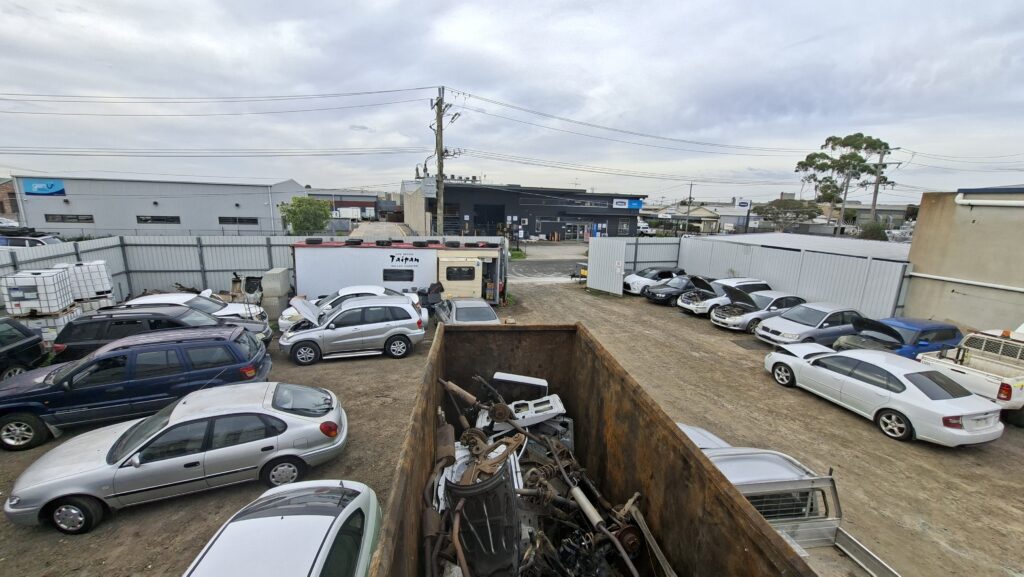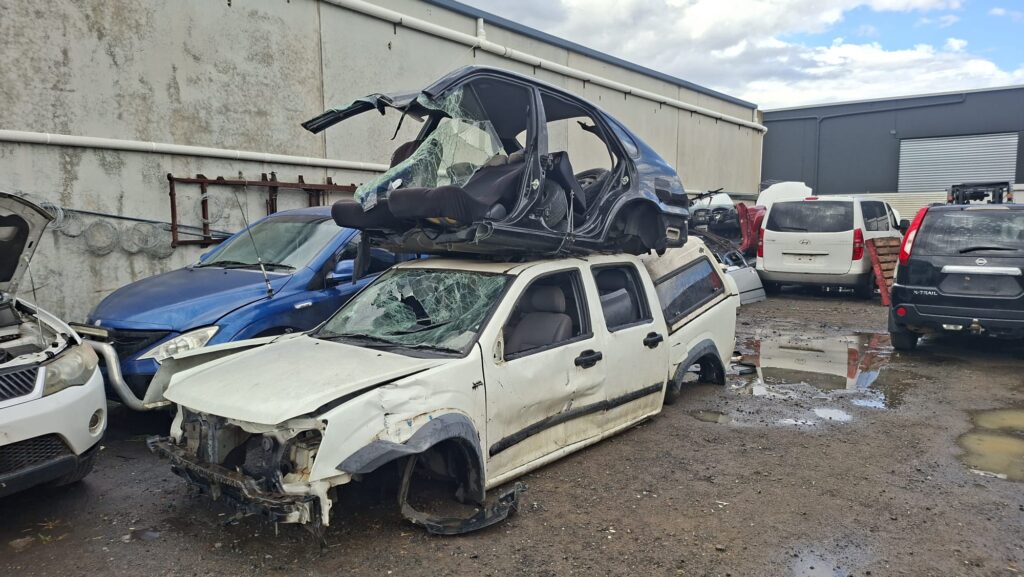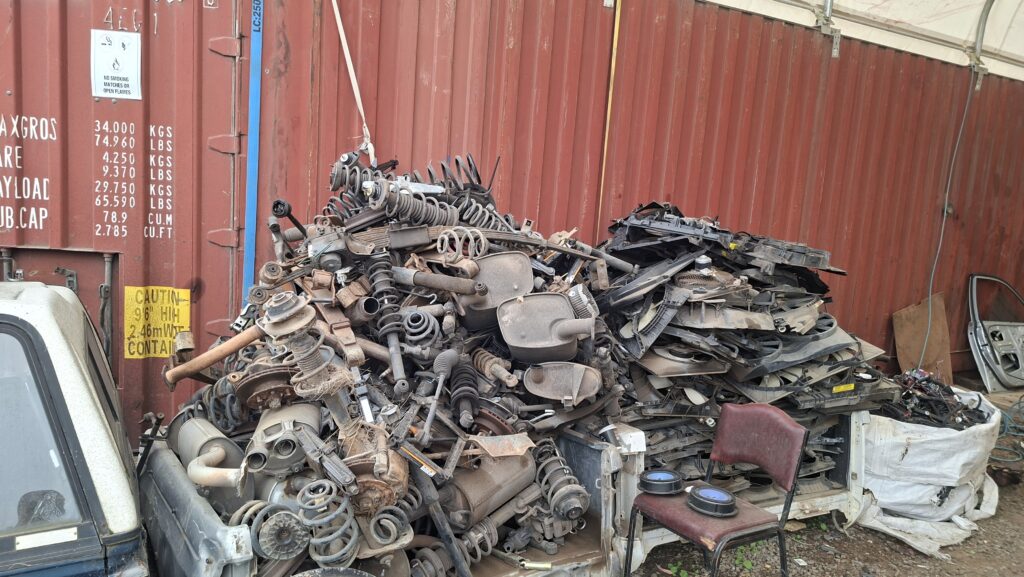
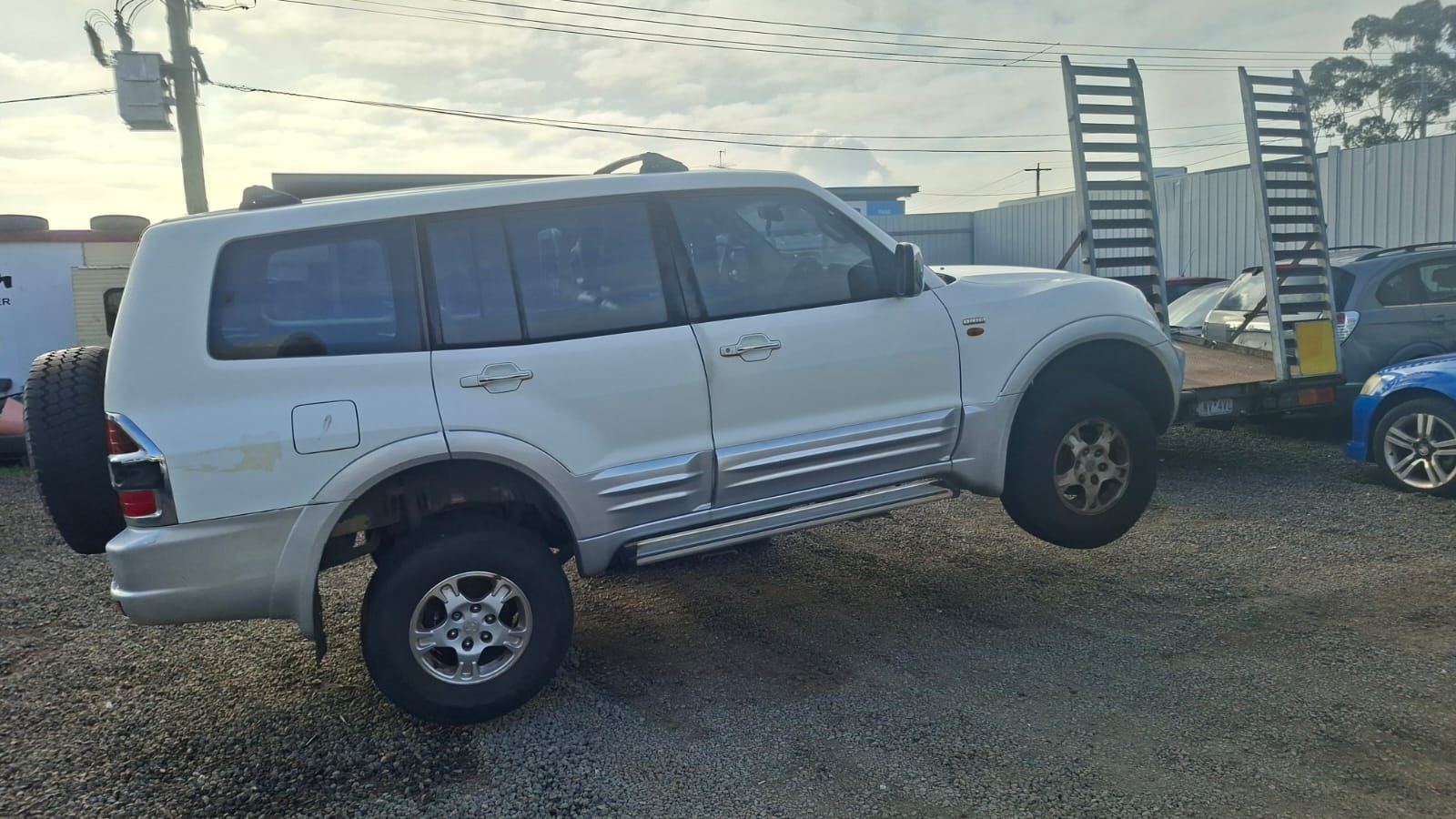
Selling an unwanted vehicle for scrap can be a practical option when your car is old, damaged, non-running, or simply no longer worth keeping.
But what actually happens after you decide to sell your car for scrap?
From the initial assessment and vehicle collection to dismantling, parts recovery and recycling, understanding the process can help you know what to expect and make a more informed decision.
If you are searching for car wreckers Geelong, a scrap car buyer, or cash for cars near me, this guide explains the complete journey of a scrap vehicle.
Quick Answer
When you sell car for scrap, the vehicle is generally assessed first, then collected and processed. Usable components may be removed for reuse, while metals and other recyclable materials are separated and processed.
The value of your vehicle can depend on its make, model, condition, age, completeness, parts demand and recyclable materials.
Why Do People Sell Cars for Scrap?
Not every unwanted vehicle is worth repairing or keeping.
Some common reasons people decide to sell their cars for scrap include:
- The vehicle is too old
- Repair costs have become too high
- The car is no longer reliable
- It has been damaged in an accident
- The vehicle is no longer running
- Registration or maintenance costs are becoming impractical
- The owner has purchased another vehicle
- The car has been sitting unused for a long time
Instead of allowing an unwanted vehicle to continue taking up space, selling it to a professional wrecker can provide a practical end-of-life solution.
What Happens When You Contact a Scrap Car Buyer?
The process usually starts when you provide basic information about your vehicle.
A scrap car buyer may want to know:
- Make and model
- Year
- General condition
- Running or non-running status
- Accident or body damage
- Vehicle location
- Whether major components are still present
This information helps the buyer understand the vehicle before arranging the next step.
Vehicle Assessment
The vehicle is assessed based on its overall condition and potential value.
A car does not necessarily need to be roadworthy to have value. Even a damaged or non-running vehicle may contain components that can be reused or materials that can be recycled.
Offer and Collection
Once the vehicle has been assessed, the buyer can discuss an offer and collection arrangements.
If you agree to proceed, a suitable pickup time and location can be arranged.
For owners looking for Geelong car wreckers, having a straightforward collection process can make selling an unwanted vehicle much easier.
What Happens During Car Collection?
Collection is an important part of the scrap car process.
Before the vehicle is picked up, make sure you have:
- Removed your personal belongings
- Checked the glove box and centre console
- Checked the boot and storage compartments
- Removed important documents
- Collected the vehicle keys if available
- Confirmed the pickup location
- Confirmed the agreed arrangements
You should also make sure the vehicle can be accessed by the collection vehicle where possible.
If the car is not running, its condition should be explained during the initial conversation so suitable collection arrangements can be made.
What Happens to Your Car After Collection?
Once your vehicle reaches the wrecker or recycling facility, its journey is not necessarily over.
A professional vehicle recycling process can involve several stages.
These may include:
- Vehicle inspection
- Removal of fluids and hazardous materials
- Dismantling
- Recovery of reusable components
- Separation of recyclable materials
- Metal processing
- Responsible disposal of remaining waste
The objective is to recover as much useful material from the vehicle as practical.
Which Parts of a Scrap Car Can Be Reused?
One of the reasons scrap vehicles can still have value is that many components may remain useful.
Depending on the vehicle’s condition, parts that may be recovered include:
Engines and Gearboxes
A vehicle that is no longer suitable for its current owner may still contain a usable engine, transmission or other mechanical components.
If these components are in suitable condition, they may be recovered for reuse.
Body Panels
Doors, bonnets, guards, boots, mirrors and other body panels can sometimes be removed and reused.
This can provide replacement components for other vehicles without requiring a brand-new part.
Electrical Components
Some electrical components may also be recoverable, including:
- Alternators
- Starter motors
- Headlights
- Tail lights
- Switches
- Wiring components
- Electronic modules
The exact components available will depend on the vehicle.
Interior Components
Seats, dashboards, door trims, consoles and other interior parts can also have reuse potential when they remain in suitable condition.
What Happens to the Metal?
After reusable components have been removed, the vehicle shell can still contain significant amounts of recyclable material.
Steel and other metals can be separated and processed for recycling.
Recovered metals can then return to manufacturing and other industrial processes instead of being treated entirely as waste.
This is an important part of car recycling because end-of-life vehicles contain materials that can continue to have value after the car is no longer suitable for driving.
How Does Car Recycling Help the Environment?
Vehicle recycling can help reduce unnecessary waste by recovering materials and components from vehicles that are no longer wanted.
The recycling process can help:
- Reduce vehicle waste going to landfill
- Recover valuable metals
- Reuse suitable vehicle components
- Reduce demand for some raw materials
- Keep recyclable materials within the manufacturing cycle
- Give end-of-life vehicles a more responsible destination
For people searching for recycling cars near me, choosing a professional vehicle recycler can be one way to support a more structured end-of-life process.
Can You Sell a Damaged Car for Scrap?
Yes, a damaged vehicle may still have value.
For example, a car involved in an accident may no longer be economical to repair. However, components such as the engine, gearbox, wheels, electronics, panels or other parts may still be useful.
The recyclable materials within the vehicle can also contribute to its overall value.
This is why it is worth getting an assessment rather than automatically assuming a damaged vehicle has no value.
Can You Sell a Non-Running Car?
A non-running vehicle can still be considered by car wreckers.
Its value may come from:
- Reusable parts
- Mechanical components
- Body panels
- Electrical systems
- Wheels and other components
- Recyclable metals
The condition of the vehicle will influence the assessment, but being non-running does not automatically mean the car is worthless.
What Should You Remove Before Selling Your Car?
Before handing over your vehicle, take a few minutes to check the entire car for personal belongings.
Pay particular attention to:
- Glove box
- Centre console
- Door pockets
- Under the seats
- Boot
- Spare-wheel area
- Storage compartments
Remove personal documents, valuables, parking permits and anything else you want to keep.
Avoid removing major vehicle components without discussing it with the buyer first, because missing parts can affect the vehicle’s assessment.
Do You Need to Repair Your Car Before Selling It for Scrap?
If you are selling a vehicle specifically for scrap, expensive repairs may not always make financial sense.
A car that requires major mechanical work may still have value because of its reusable parts and recyclable materials.
Before spending money on repairs, consider getting the vehicle assessed first.
This can help you determine whether repairing the car is worthwhile or whether selling it as-is is the more practical option.
What Determines the Value of a Scrap Car?
There is no single price that applies to every scrap vehicle.
Several factors can influence the amount offered.
Make and Model
Some makes and models may have stronger demand for replacement components than others.
Age
Older vehicles may have lower resale potential as complete cars, but individual components and recyclable materials can still have value.
Condition
A vehicle with usable mechanical components may be assessed differently from one that has extensive damage.
Running Status
Whether the vehicle runs can influence its value, although non-running vehicles can still have useful parts.
Accident Damage
Severe accident damage can reduce the value of some components, while undamaged parts may still be recoverable.
Completeness
A vehicle with its major components intact may have greater parts-recovery potential.
Parts Demand
Demand for specific replacement parts can influence the value of a vehicle.
Recyclable Materials
The quantity and type of recyclable materials in the vehicle can also contribute to its overall scrap value.
Is Selling a Scrap Car Better Than Keeping It?
There is no universal answer because every vehicle and situation is different.
However, keeping an unwanted car can mean dealing with ongoing storage, maintenance, deterioration and other costs.
If the vehicle is no longer practical to repair or use, selling it to a scrap car buyer can turn an unwanted asset into cash while allowing useful components and materials to be recovered.
The key is to compare your options based on the vehicle’s actual condition.
Why Choose Local Car Wreckers in Geelong?
Choosing a local service can make the process more convenient when you want to dispose of an unwanted vehicle.
When comparing Geelong wreckers, look at factors such as:
- Vehicle buying process
- Collection arrangements
- Communication
- Vehicle assessment
- Parts recovery
- Recycling practices
- Overall convenience
You can also search for terms such as Geelong auto wreckers, car wreckers in Geelong, wreckers buy cars, or scrap my car near me when researching available services.
Rather than choosing solely on a keyword or advertised price, consider the complete service and how clearly the process is explained.
A Simple Checklist Before You Sell
Before arranging the sale of your vehicle, use this quick checklist:
1. Identify the vehicle
Have the make, model, year and general condition ready.
2. Describe its condition honestly
Mention whether it runs, has accident damage or is missing components.
3. Remove personal belongings
Check every compartment before collection.
4. Gather relevant information
Keep available any vehicle details you may need during the sale.
5. Confirm collection arrangements
Make sure the pickup location and timing are clearly understood.
6. Compare your options
Consider the offer, process, collection arrangements and overall service.
Frequently Asked Questions
Can I sell my car for scrap if it does not run?
Yes. Non-running vehicles may still have value because of reusable components and recyclable materials.
Do car wreckers buy accident-damaged vehicles?
Many vehicle wreckers consider damaged vehicles because usable parts and recyclable materials may still be recovered.
What happens to my car after a wrecker collects it?
The vehicle can be inspected, processed, dismantled and separated into reusable components and recyclable materials.
Can an old car still be worth money?
Yes. Age alone does not determine a vehicle’s value. Condition, make, model, parts demand and recyclable materials can all influence an offer.
Should I repair my car before selling it for scrap?
If the vehicle is being sold for scrap, major repairs may not be financially worthwhile. Getting an assessment before spending money on repairs can help you make a better decision.
What should I remove before selling my car?
Remove personal belongings, documents, valuables and anything else you want to keep. Check the entire vehicle, including the boot and storage compartments.
How do I find car wreckers near me?
Search for local services using terms such as car wreckers Geelong, Geelong wreckers, Geelong auto wreckers, or scrap my car near me, then compare the services and collection process.
Key Takeaways
- Selling a car for scrap can be a practical option for unwanted, damaged or end-of-life vehicles.
- Non-running and accident-damaged cars may still have value.
- Reusable components can include engines, gearboxes, body panels, electrical parts and interior components.
- Vehicle shells can contain recyclable metals.
- Several factors influence scrap car value, including condition, make, model and parts demand.
- Removing personal belongings should be done before collection.
- Expensive repairs may not always make sense for a vehicle being sold as scrap.
- Comparing local car wreckers in Geelong can help you choose a suitable service.
Final Thoughts
When you sell your car for scrap, you are not simply getting rid of an unwanted vehicle. The car can go through a structured process where usable parts are recovered and recyclable materials are separated for further use.
Whether your vehicle is old, damaged, non-running or simply no longer practical to keep, understanding the process can help you approach the sale with realistic expectations.
For Geelong vehicle owners searching for scrap car buyers, Geelong car wreckers, or cash for cars, the best approach is to understand your vehicle’s condition, compare your options and choose a service that clearly explains the buying and collection process.