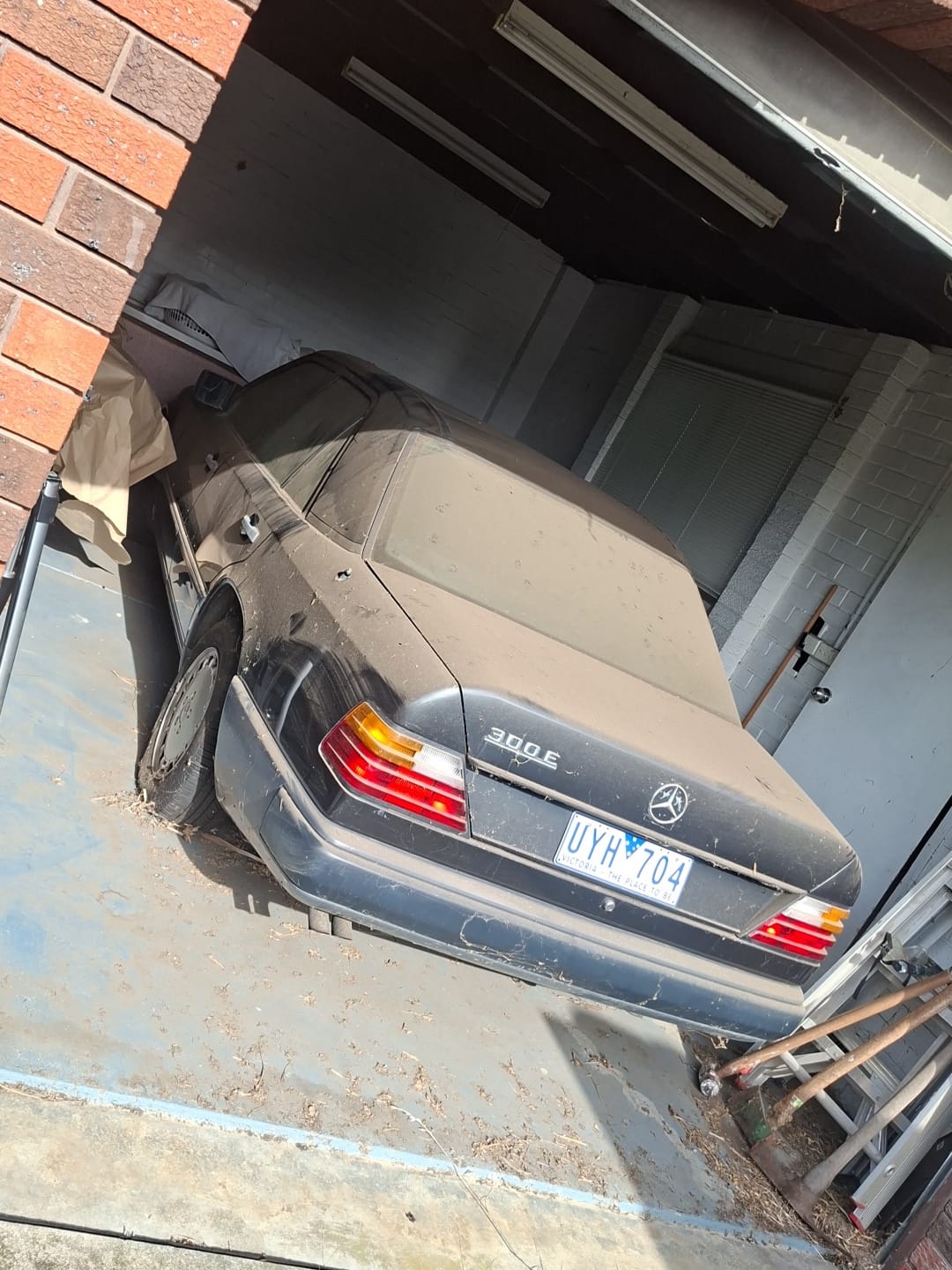
An unused car can slowly become more than just an inconvenience. It may take up valuable driveway space, collect dust, develop mechanical problems, and become increasingly difficult to sell as time passes.
For vehicle owners in Geelong, there are several options when a car has been sitting unused for months or even years. You could repair it, sell it privately, keep it for parts, or contact a professional vehicle removal or recycling service.
The right option depends on the vehicle’s condition, repair costs, age, and whether you actually have a reason to keep it.
Quick Answer
If your car has been sitting unused for a long time, first assess its condition and repair costs. If keeping or repairing it no longer makes financial sense, a local Geelong car removal or vehicle wrecker service can assess the vehicle for parts recovery and recycling.
Why Do Cars End Up Sitting Unused?
There are many reasons an owner may stop using a vehicle.
Common situations include:
- Major mechanical failure
- Expensive repairs
- Accident damage
- Buying another vehicle
- Moving to a different location
- An old second car no longer being needed
- The vehicle becoming unreliable
- Long-term storage after a family change
Whatever the reason, leaving a vehicle unused for a long period can create additional problems.
What Happens to a Car That Sits Unused for Years?
Mechanical Components Can Deteriorate
Even when a vehicle is not being driven, some components can deteriorate over time.
Depending on how long the vehicle has been sitting, you may encounter:
- Flat or damaged tyres
- A discharged battery
- Rust
- Brake deterioration
- Old fluids
- Seized components
- Interior deterioration
- Water damage
The longer a vehicle remains unused, the more important its overall condition becomes.
Should You Repair an Unused Car?
Start With the Cost of Repairs
Repairing an old vehicle can make sense in some situations, particularly if the car has a strong mechanical foundation.
However, consider the complete cost.
Potential expenses may include:
- Battery replacement
- Tyres
- Brake repairs
- Engine repairs
- Transmission work
- Electrical repairs
- Registration-related costs
- General servicing
If several major repairs are required at the same time, the total cost can become difficult to justify.
When Does Repairing the Car Stop Making Sense?
Compare Repair Costs With the Vehicle’s Overall Condition
There is no single repair-cost figure that applies to every vehicle.
Instead, consider:
The Vehicle’s Age
An older vehicle may require additional repairs beyond the original problem.
Its Current Condition
Rust, accident damage, neglected maintenance, or multiple mechanical faults can change the calculation.
Replacement Costs
Think about what it would cost to replace the vehicle with another reliable car.
Future Repairs
Fixing one major problem does not necessarily mean other ageing components will not need attention later.
What Are Your Options for an Unused Car?
Option 1: Put It Back on the Road
If the vehicle is in reasonable condition and the repairs are affordable, restoring it may be worthwhile.
This can be a sensible choice when:
- The vehicle is mechanically sound
- Repairs are manageable
- You still need the car
- The vehicle has sentimental or practical value
Option 2: Sell It Privately
A private sale can make sense if the vehicle still has reasonable resale appeal.
However, an old or non-running vehicle can be harder to market to ordinary buyers.
You may need to:
- Advertise it
- Respond to enquiries
- Arrange inspections
- Explain its condition
- Negotiate with potential buyers
Option 3: Sell It to a Wrecker
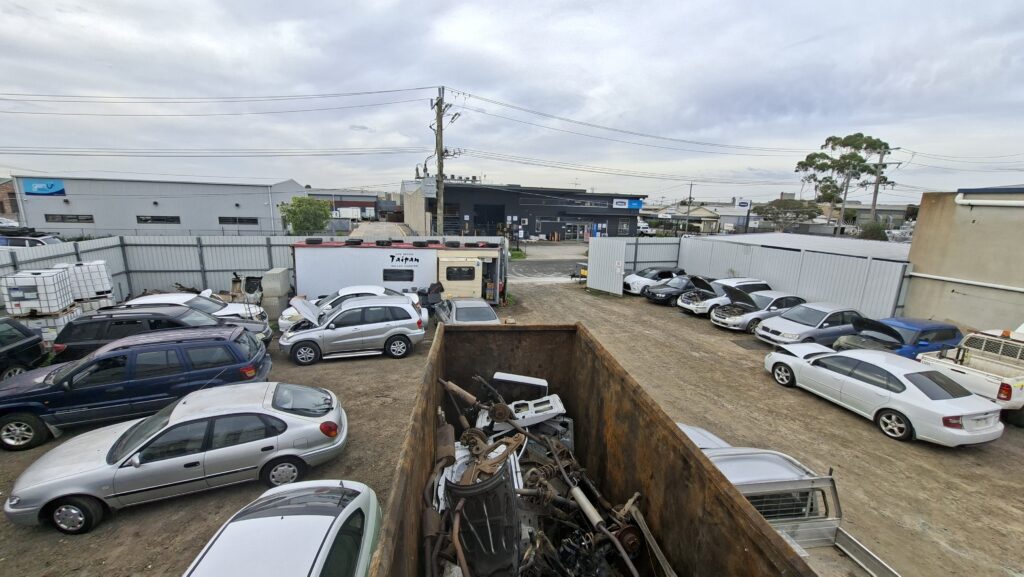
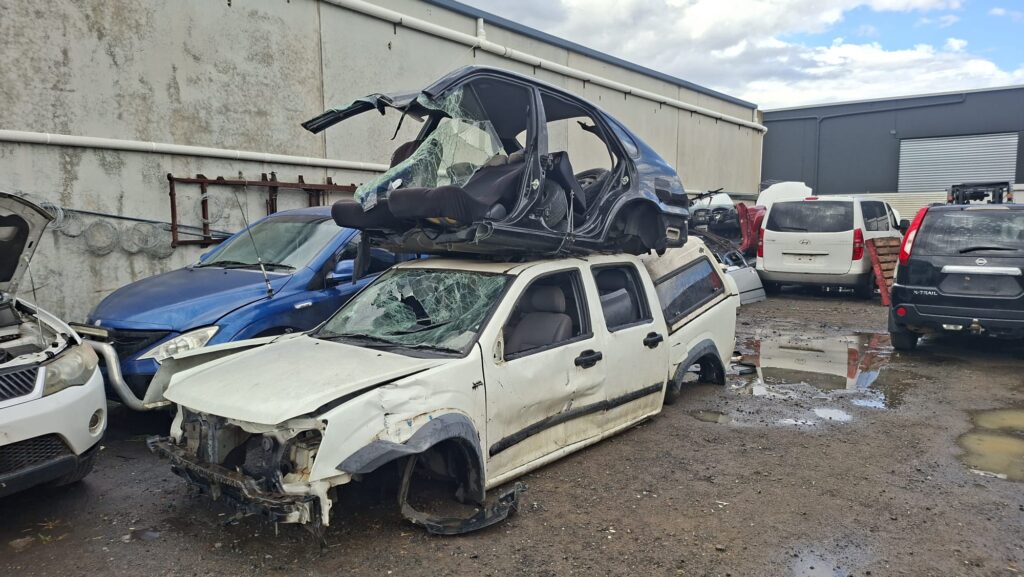
A vehicle wrecker may assess the car for reusable parts and recyclable materials.
This can be particularly relevant when the vehicle is:
- Old
- Damaged
- Non-running
- Expensive to repair
- No longer wanted
The vehicle’s value can come from its components and materials rather than its ability to return to the road.
Option 4: Arrange Car Removal
If the vehicle cannot be driven, arranging collection can be more practical than attempting to transport it yourself.
A professional Geelong car removal service may be able to assess the vehicle and organise appropriate collection depending on its condition and location.
What Makes an Unused Car Attractive to a Wrecker?
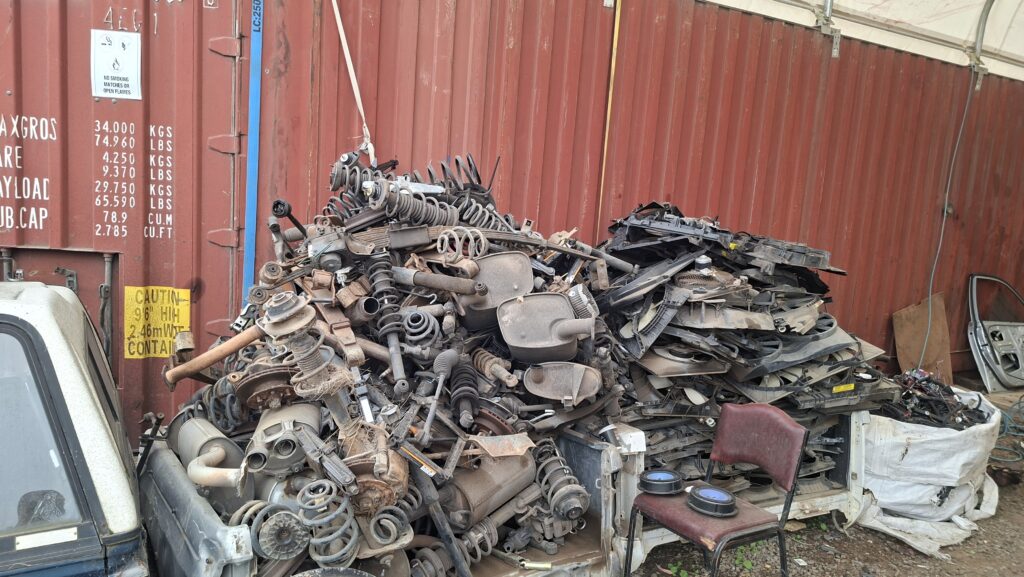
Reusable Components
A vehicle that has been sitting unused may still contain components that can be recovered.
Potential examples include:
- Engine components
- Transmission
- Alternator
- Starter motor
- Wheels
- Interior components
- Mirrors
- Lights
- Electronic components
The condition of each component will determine whether it is suitable for reuse.
Don’t Forget About Recycling Value
The Vehicle Can Still Provide Raw Materials
Even when a car has little potential for reuse as a complete vehicle, materials can still be recovered.
Common recyclable materials include:
- Steel
- Aluminium
- Copper
- Glass
- Plastics
This means an unused vehicle does not necessarily need to become landfill waste.
What Should You Do Before Removing an Unused Car?
Check the Entire Vehicle
Before arranging collection or selling the vehicle, inspect it carefully.
Check:
- Boot
- Glovebox
- Centre console
- Door pockets
- Under the seats
- Spare-wheel compartment
Remove personal belongings and anything you want to keep.
Gather Vehicle Information
Prepare:
- Make
- Model
- Year
- Vehicle location
- Running condition
- Known mechanical issues
- Accident damage
- Missing components
Clear information can make the initial assessment easier.
What If the Car Has Been Sitting Outside?
Condition May Be Different From a Stored Vehicle
A vehicle stored outside can be exposed to:
- Rain
- Sun
- Moisture
- Dust
- Temperature changes
- Corrosion
If the vehicle has been sitting outdoors for years, mention this when discussing its condition with a vehicle buyer or wrecker.
What If the Car Is Completely Non-Running?
Don’t Assume You Have to Fix It First
A non-running vehicle may still be suitable for assessment.
If it cannot start or move, provide details about:
- Engine condition
- Wheel condition
- Accessibility
- Location
- Major damage
- Whether towing equipment can access the vehicle
This allows the collection requirements to be considered before pickup.
A Simple Decision Guide
| Your Situation | Option to Consider |
|---|---|
| Minor repairs needed | Repair and continue using |
| Reliable vehicle with good resale appeal | Private sale |
| Major mechanical failure | Wrecker assessment |
| Accident-damaged vehicle | Wrecker or specialist buyer |
| Non-running vehicle | Car removal assessment |
| Very old and unwanted vehicle | Wrecker or recycling service |
| Vehicle taking up unused space | Removal and recycling |
Common Mistakes With Long-Term Unused Cars
Leaving It for Another Year
If you already know you will not use the vehicle, delaying the decision can allow its condition to deteriorate further.
Assuming Repair Is Always the Best Option
A major repair is not automatically the most economical choice.
Assuming an Old Car Has No Value
Age does not eliminate the possibility of reusable parts or recyclable materials.
Forgetting About Personal Items
Cars that have been unused for years can contain forgotten documents, tools, accessories, and belongings.
Expert Tips for Geelong Vehicle Owners
Take Photos Before Requesting an Assessment
Photograph the exterior, interior, engine bay, wheels, and any major damage.
Explain the Vehicle’s History
Mention whether the car stopped running because of mechanical failure, accident damage, or long-term inactivity.
Don’t Hide Major Problems
Accurate information makes the assessment and collection process easier.
Consider the Total Cost of Keeping the Vehicle
Include repairs, storage, maintenance, registration-related expenses, and the space it occupies.
Think About Recycling
If the car is beyond economical repair, responsible parts recovery and material recycling can be a better option than simply allowing it to deteriorate further.
People Also Ask
What should I do with a car I no longer use?
Assess its condition and decide whether repairing, selling, or arranging vehicle removal makes the most practical sense.
Can I sell a car that has been sitting unused for years?
Yes. Its condition can be assessed based on reusable parts, materials, make, model, and overall condition.
Is an old non-running car worth anything?
It can be. Reusable components and recyclable materials may still have recovery value.
Should I repair an old car before selling it?
Not necessarily. If major repairs are required, compare the expected repair cost with the vehicle’s overall condition and alternatives.
Can a wrecker remove a car that does not run?
Depending on the business and vehicle location, suitable towing or collection arrangements may be available.
Frequently Asked Questions
Does leaving a car unused reduce its value?
Long-term inactivity can affect the condition of mechanical, electrical, rubber, and body components, which may influence its overall assessment.
What happens to an unused car after it goes to a wrecker?
It may be inspected and dismantled, with suitable components recovered and recyclable materials separated for processing.
Can I sell an unused car with mechanical problems?
A vehicle with mechanical problems can still be assessed for its parts and recyclable materials.
What information should I give a car removal company?
Provide the make, model, year, location, running status, general condition, and details of major damage or missing components.
Final Thoughts
A car that has been sitting unused in your Geelong driveway does not have to remain there indefinitely. The best option depends on its condition, repair costs, future usefulness, and your reason for keeping it.
If restoring the vehicle no longer makes financial or practical sense, selling it to a wrecker or arranging professional vehicle removal can provide an alternative. Reusable components can potentially be recovered, while metals and other materials can be recycled.
The important step is to assess the vehicle realistically rather than continuing to store a car you no longer intend to use.