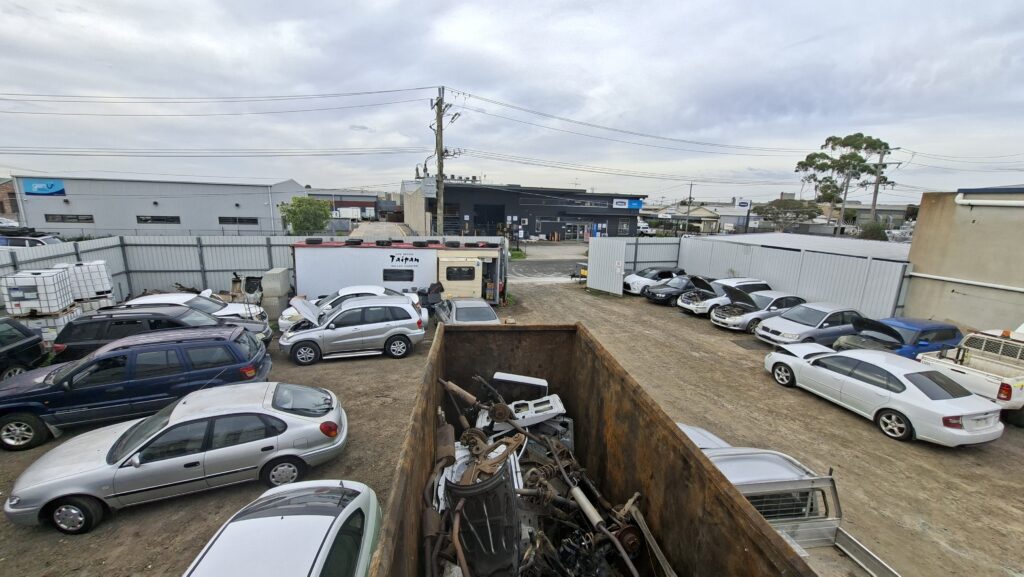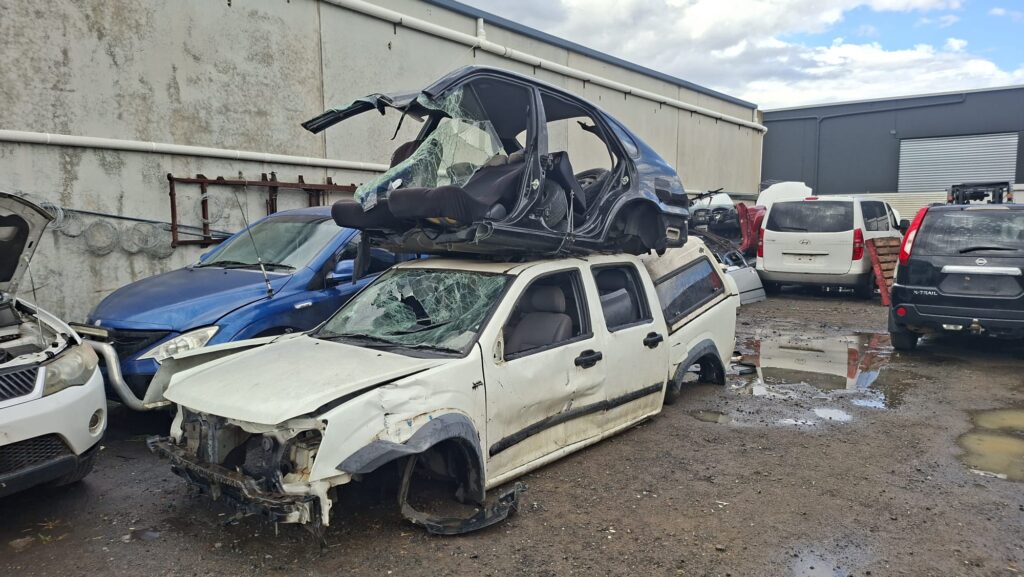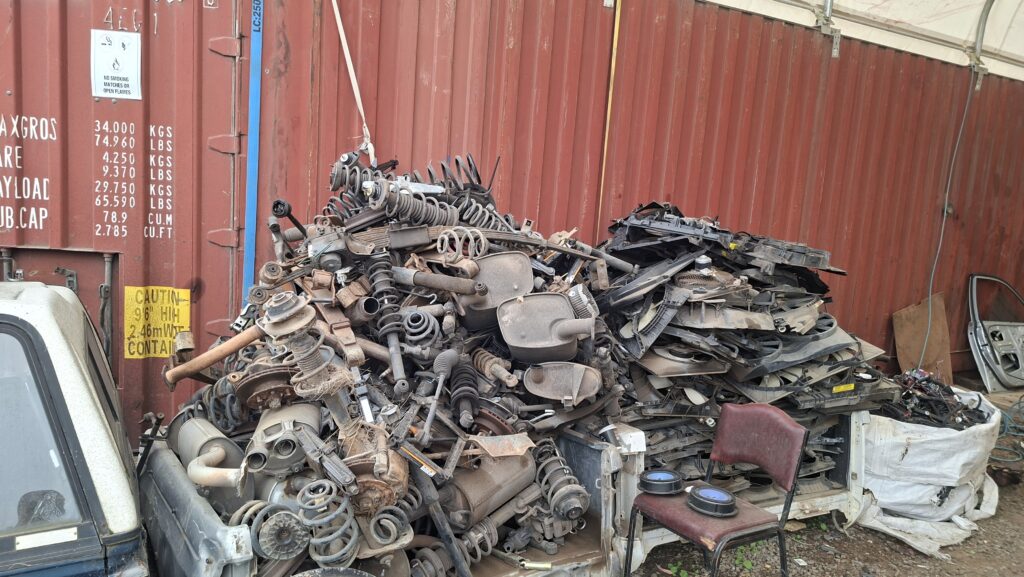
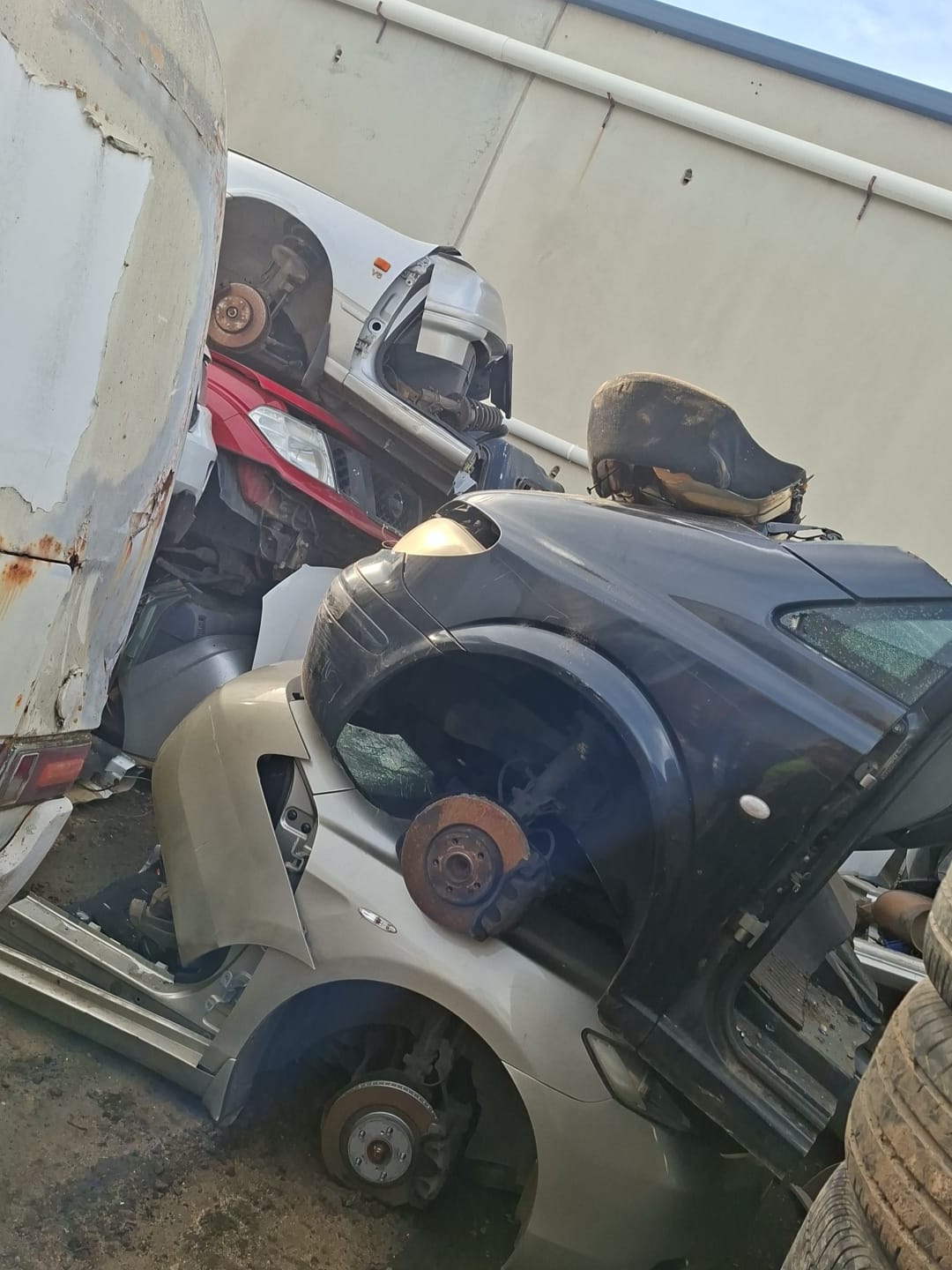
Finding the right Geelong wreckers can make dealing with an old, damaged, unwanted, or end-of-life vehicle much easier. However, not every vehicle wrecker offers the same level of service, recycling process, or customer experience.
Before choosing a local wrecker, it is worth understanding what services they provide, how they handle unwanted vehicles, whether they can arrange collection, and how reusable parts and recyclable materials are processed.
For vehicle owners in Geelong and nearby suburbs, a little research before making a decision can help create a smoother and more transparent experience.
Quick Answer
When choosing Geelong wreckers, look for a business with a clear vehicle assessment process, suitable collection arrangements, transparent communication, responsible recycling practices, and experience handling different types of unwanted vehicles.
Key Takeaways
- Compare the complete service rather than one factor.
- Check whether the wrecker handles your vehicle type and condition.
- Ask how vehicle collection is organised.
- Look for clear information about the recycling process.
- Have your vehicle details ready before requesting an assessment.
- Choose a service that communicates the process clearly.
Why Choosing the Right Wrecker Matters
Not Every Vehicle Has the Same Requirements
An old family car may require a different approach from an accident-damaged or non-running vehicle.
Your vehicle might be:
- Mechanically failed
- Accident damaged
- Very old
- No longer economical to repair
- Sitting unused
- Non-running
- At the end of its useful life
Understanding your vehicle’s condition helps you find a wrecker that can deal with it appropriately.
Check What Vehicles They Accept
Make Sure Your Vehicle Is Suitable
Before contacting a wrecker, check whether they handle your type of vehicle.
This can include:
- Cars
- SUVs
- Utes
- Vans
- Commercial vehicles
- Accident-damaged vehicles
- Non-running vehicles
Acceptance policies can vary, so providing accurate vehicle information from the beginning is useful.
Look at the Vehicle Collection Process
Can the Vehicle Be Collected?
A major consideration is how the vehicle will reach the wrecker.
If your car is no longer roadworthy or cannot start, ask about the available collection arrangements.
Useful information to provide includes:
- Exact vehicle location
- Whether the car starts
- Whether it can roll
- Wheel condition
- Access to the vehicle
- Any major accident damage
Accurate information helps determine the appropriate collection method.
Ask How the Vehicle Is Recycled
Responsible Vehicle Disposal Matters
A professional wrecker does more than remove a vehicle.
After collection, the vehicle may be inspected and dismantled to recover reusable parts and recyclable materials.
These can include:
- Engines
- Transmissions
- Alternators
- Wheels
- Electrical components
- Steel
- Aluminium
- Copper
- Glass
- Plastics
Understanding this process can help you choose a service that takes vehicle recycling seriously.
Check the Communication Process
Clear Information Makes Things Easier
A good customer experience starts with straightforward communication.
Before agreeing to anything, you should understand:
- What information is required
- How the vehicle will be assessed
- How collection works
- What happens after collection
- Which documents may be needed
If the process is clearly explained from the beginning, there is less room for confusion later.
Consider the Condition of Your Vehicle
Damaged Does Not Always Mean Worthless
A vehicle can be severely damaged and still contain useful components.
For example, an accident-damaged car may have undamaged:
- Engine components
- Transmission parts
- Wheels
- Interior components
- Electronic systems
- Body panels
The overall condition determines how much of the vehicle can potentially be recovered.
Why Local Geelong Experience Can Be Useful
Familiarity With the Local Area
Choosing a wrecker that services Geelong can make communication and collection arrangements more convenient.
Local service can be particularly useful when a vehicle is located in:
- Geelong
- North Geelong
- South Geelong
- East Geelong
- Newtown
- Belmont
- Grovedale
- Corio
- Norlane
- Nearby Geelong suburbs
The exact service area can vary between businesses, so confirming your location before arranging collection is recommended.
What Information Should You Have Ready?
Before contacting Geelong car wreckers, prepare basic details about the vehicle.
Vehicle Details
Have the following information available where possible:
- Make
- Model
- Year
- Vehicle condition
- Registration status
- Running or non-running condition
- Accident damage
- Approximate location
Providing accurate information allows the wrecker to understand your situation more quickly.
A Simple Comparison Checklist
| What to Check | Why It Matters |
|---|---|
| Vehicle types accepted | Confirms your vehicle is suitable |
| Collection options | Important for non-running vehicles |
| Assessment process | Helps establish vehicle suitability |
| Recycling practices | Supports responsible disposal |
| Communication | Reduces misunderstandings |
| Service area | Confirms they cover your location |
Common Mistakes to Avoid
Choosing Only Based on One Factor
A decision should not be based entirely on one detail.
Consider the complete service, including collection, communication, vehicle handling, and recycling.
Giving Incomplete Vehicle Information
Leaving out major damage or access problems can make collection arrangements more difficult.
Forgetting Personal Belongings
Always check the boot, glovebox, centre console, and other storage areas before collection.
Not Asking Questions
If you are unsure about collection, documents, or recycling, ask before making arrangements.
Expert Tips
Take Photos of the Vehicle
Photos showing the exterior, interior, wheels, and major damage can help communicate the vehicle’s condition.
Be Honest About Whether It Runs
Tell the wrecker whether the vehicle starts, moves, or requires loading equipment.
Keep Important Information Ready
Having basic vehicle details available can make the initial conversation faster.
Ask About the Next Step
A clear explanation of what happens after assessment can make the process easier to understand.
People Also Ask
What should I look for in Geelong wreckers?
Look for clear communication, suitable vehicle collection arrangements, experience with your vehicle condition, and responsible recycling practices.
Do Geelong wreckers take damaged cars?
Many vehicle wreckers assess damaged cars, although acceptance depends on the vehicle’s condition and the individual business.
Can wreckers collect a car that does not run?
Non-running vehicles can often be collected using appropriate equipment, depending on the location and accessibility.
What information do wreckers need?
Usually, useful information includes the vehicle’s make, model, year, condition, location, and whether it can start or move.
Why should I choose a local vehicle wrecker?
A local wrecker may make communication and vehicle collection more convenient for owners within its service area.
Frequently Asked Questions
Should I remove parts before contacting a wrecker?
It is generally better to discuss the vehicle in its current condition first so the wrecker can assess it accurately.
Can an old vehicle still have useful parts?
Yes. Age does not automatically mean every component has reached the end of its useful life.
What happens after a vehicle is collected?
The vehicle can be inspected, depolluted, dismantled, and processed for reusable components and recyclable materials.
Are all vehicle wreckers the same?
No. Services, accepted vehicles, collection arrangements, recycling procedures, and customer processes can vary.
Final Thoughts
Choosing the right Geelong wreckers is about more than simply finding someone to take an unwanted vehicle. A professional approach should include clear communication, suitable collection arrangements, proper vehicle assessment, and responsible recovery of usable parts and recyclable materials.
Whether your vehicle is old, damaged, non-running, or simply no longer wanted, understanding what to check before making a decision can help you choose a service that fits your situation.
For vehicle owners throughout Geelong and surrounding areas, taking a few minutes to compare the complete service can make the vehicle disposal process much simpler.