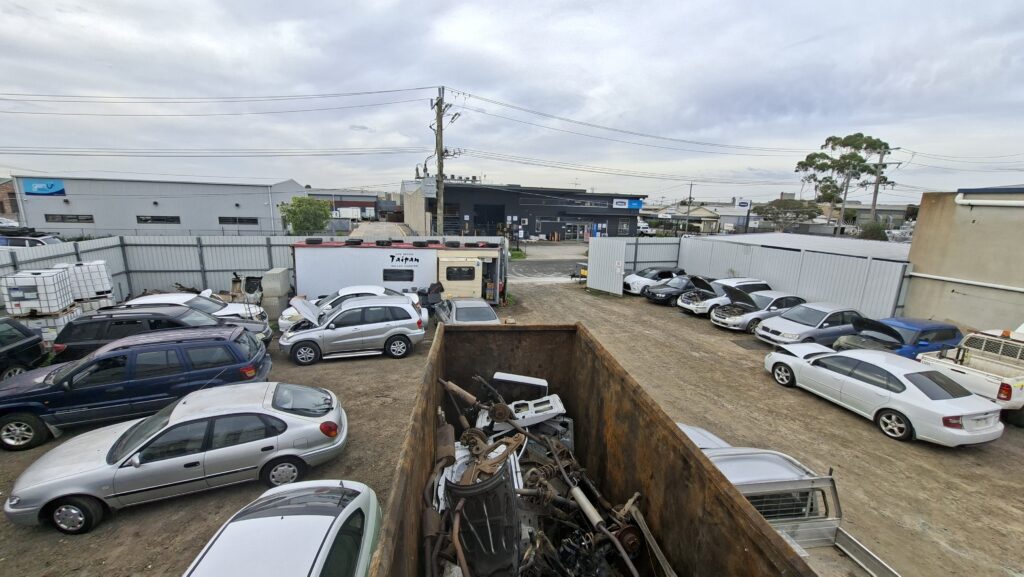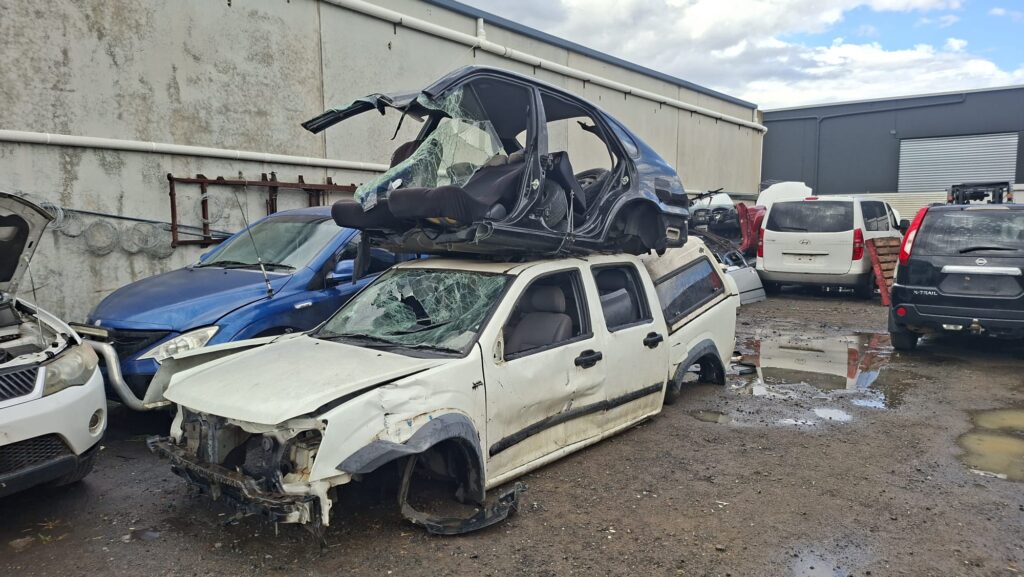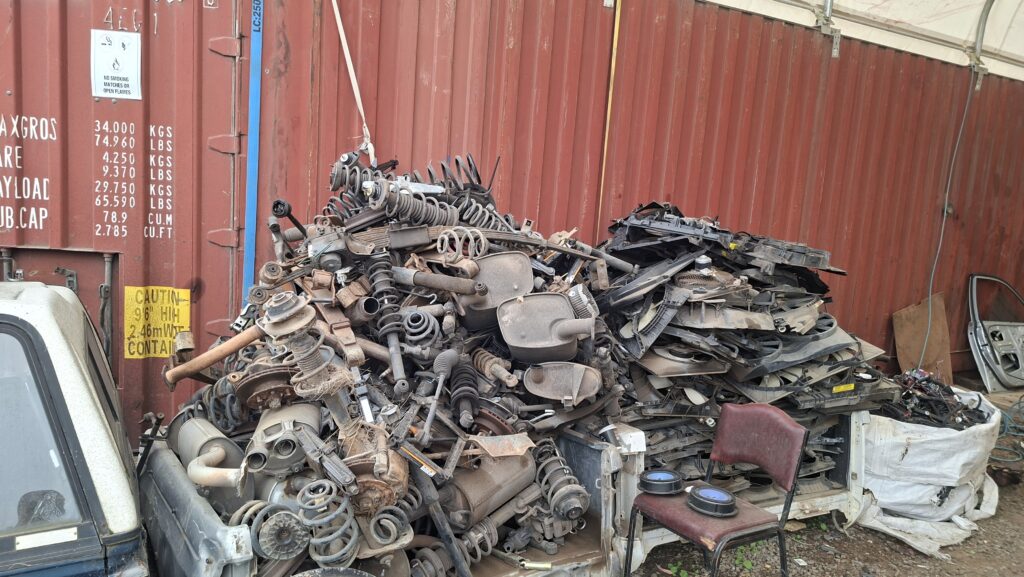
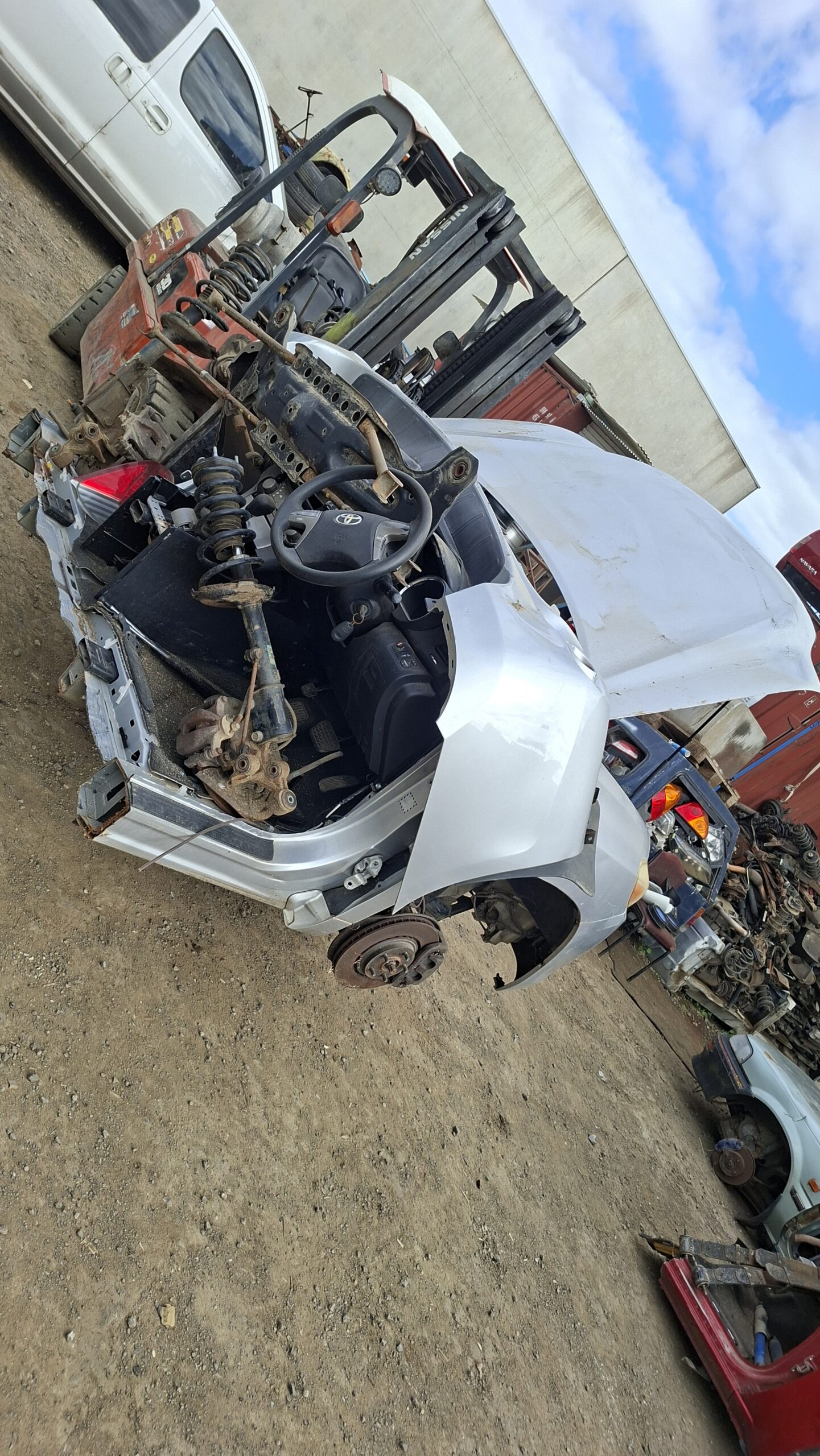
Every year, thousands of vehicles across Australia reach the end of their useful life due to age, accident damage, mechanical failure, or rising repair costs. Without proper recycling, these vehicles could contribute significantly to landfill waste and environmental pollution.
Fortunately, professional auto wreckers in Geelong play an essential role in reducing automotive waste by recovering reusable parts, recycling valuable materials, and safely disposing of hazardous substances. Instead of allowing unwanted vehicles to become environmental hazards, the recycling process gives many components a second life.
In this guide, you’ll learn how vehicle wreckers help protect the environment, support sustainable manufacturing, and reduce waste throughout the automotive industry.
Quick Answer
Auto wreckers reduce automotive waste by dismantling end-of-life vehicles, recovering reusable parts, recycling metals and other materials, and safely handling hazardous fluids. This process keeps valuable resources in circulation while reducing landfill waste and supporting a more sustainable automotive industry.
Key Takeaways
- Vehicle recycling reduces landfill waste.
- Many car parts can be reused or refurbished.
- Metals such as steel and aluminium are highly recyclable.
- Hazardous fluids require safe disposal.
- Auto wreckers support Australia’s circular economy.
Why Automotive Waste Is a Growing Concern
As more vehicles reach the end of their lifespan, responsible disposal becomes increasingly important.
An abandoned or neglected vehicle may contain:
- Engine oil
- Coolant
- Brake fluid
- Transmission fluid
- Batteries
- Plastics
- Rubber
- Glass
- Metal components
If these materials are not handled correctly, they may negatively affect the surrounding environment.
Professional recycling helps ensure these materials are managed responsibly.
What Is Automotive Waste?
More Than Just Scrap Metal
Many people think an old car is simply a pile of scrap metal.
In reality, a vehicle is made up of hundreds of different materials, including:
- Steel
- Aluminium
- Copper
- Plastic
- Rubber
- Glass
- Electronics
- Fabrics
Each material requires a different recycling or disposal process.
Why Proper Management Matters
Separating these materials correctly allows recyclers to:
- Recover valuable resources.
- Reduce unnecessary landfill waste.
- Improve recycling efficiency.
- Minimise environmental impact.
This careful process supports long-term sustainability.
How Auto Wreckers Begin the Recycling Process
Every Vehicle Is Carefully Inspected
Before dismantling begins, professional Geelong auto wreckers inspect each vehicle to identify components that can be reused or recycled.
The inspection typically considers:
- Vehicle condition
- Mechanical components
- Body panels
- Interior parts
- Electronic systems
- Structural damage
This assessment helps maximise the recovery of valuable materials.
Reusable Parts Are Removed First
Rather than crushing a vehicle immediately, recyclers remove components that may continue serving other vehicles.
Common examples include:
- Engines
- Transmissions
- Alternators
- Starter motors
- Alloy wheels
- Doors
- Mirrors
- Lighting assemblies
- Electronic control modules
Recovering these parts extends their useful life and reduces the demand for manufacturing new replacements.
Metals Are Recycled Instead of Wasted
Steel Is One of the Most Recycled Materials
After reusable parts have been removed, the remaining vehicle structure still contains valuable metals.
Common recyclable metals include:
- Steel
- Aluminium
- Copper
- Cast iron
These materials can be processed and used in future manufacturing, reducing the need to extract new raw materials.
Why Metal Recycling Matters
Metal recycling provides several environmental benefits:
- Conserves natural resources.
- Uses less energy than producing new metal.
- Reduces landfill waste.
- Supports sustainable manufacturing.
This makes metal recovery one of the most important stages of vehicle recycling.
Hazardous Fluids Must Be Handled Safely
Protecting the Environment
Before recycling begins, vehicles must be safely drained of fluids that could harm the environment if released.
These include:
- Engine oil
- Brake fluid
- Coolant
- Transmission fluid
- Power steering fluid
- Fuel (where applicable)
Professional handling helps prevent contamination of soil and waterways.
Why Proper Fluid Removal Is Essential
Responsible fluid management helps:
- Protect local ecosystems.
- Reduce pollution risks.
- Improve workplace safety.
- Prepare the vehicle for further recycling.
Recycling Batteries and Electronics
Modern Vehicles Contain More Technology Than Ever
Today’s vehicles include batteries, sensors, wiring harnesses, computers, and electronic modules.
Many of these components contain materials that can be recovered or processed through specialist recycling systems.
Examples include:
- Lead from batteries
- Copper wiring
- Electronic circuit boards
- Aluminium housings
Recovering these materials reduces electronic waste and supports resource conservation.
Tyres and Glass Are Recycled Whenever Possible
Vehicle Recycling Goes Beyond Metal
Many people associate vehicle recycling with steel and aluminium, but tyres and glass also play an important role in reducing automotive waste.
Professional auto wreckers in Geelong separate these materials before the final recycling stage.
Common recyclable materials include:
- Vehicle tyres
- Windscreens
- Side windows
- Rear glass
- Rubber seals
Depending on their condition, these materials may be recycled into new products or processed through specialist recycling facilities.
How Recycled Tyres Are Used
Once processed, recycled rubber can be used in a variety of applications, including:
- Road construction materials
- Playground surfaces
- Sports fields
- Industrial rubber products
- Construction materials
Recycling tyres helps reduce landfill waste while extending the life of valuable raw materials.
How Vehicle Recycling Supports Australia’s Circular Economy
Giving Materials a Second Life
A circular economy focuses on keeping materials in use for as long as possible instead of disposing of them after a single use.
Vehicle recycling supports this approach by:
- Recovering reusable parts.
- Recycling metals.
- Reducing demand for new raw materials.
- Extending the life of automotive components.
Instead of becoming waste, many vehicle materials continue supporting manufacturing and repairs across Australia.
Why the Circular Economy Matters
Responsible recycling helps:
- Reduce resource consumption.
- Lower manufacturing waste.
- Improve material efficiency.
- Support long-term environmental sustainability.
Every recycled vehicle contributes to a more resource-efficient automotive industry.
Environmental Benefits for Geelong
Local Communities Benefit Too
Responsible vehicle recycling provides environmental benefits that extend beyond individual vehicle owners.
These include:
- Reduced landfill waste.
- Cleaner industrial practices.
- Lower demand for newly mined metals.
- Better resource conservation.
- Reduced environmental pollution.
As more vehicles are recycled responsibly, the long-term environmental impact becomes increasingly positive for communities throughout Geelong and surrounding areas.
What Happens After Valuable Parts Are Removed?
The Remaining Vehicle Is Still Useful
Even after reusable parts have been removed, the remaining vehicle shell still contains valuable recyclable materials.
The remaining structure is typically processed so materials such as:
- Steel
- Aluminium
- Copper
- Plastic
- Glass
can be separated and recovered for future manufacturing.
Very little of a modern vehicle is ultimately wasted when recycling is carried out correctly.
Automotive Waste Reduction Checklist
If you’re planning to recycle an old vehicle, consider this simple checklist:
| Checklist | Status |
|---|---|
| Remove personal belongings | ✓ |
| Gather available ownership documents | ✓ |
| Record important vehicle details | ✓ |
| Choose experienced local auto wreckers | ✓ |
| Understand how recycling works | ✓ |
| Ask questions about the recycling process | ✓ |
Automotive Waste vs Responsible Vehicle Recycling
| Without Professional Recycling | With Professional Auto Wreckers |
|---|---|
| More materials sent to landfill | Maximum recovery of reusable parts |
| Higher demand for raw materials | Valuable metals recycled |
| Increased environmental waste | Responsible handling of hazardous fluids |
| Useful components discarded | Reusable parts returned to the market |
| Greater resource consumption | Supports sustainable manufacturing |
Expert Tips Before Recycling Your Vehicle
If your vehicle has reached the end of its useful life, these recommendations can help you prepare.
Understand the Recycling Process
Learning how vehicles are dismantled and recycled helps you appreciate the environmental value of responsible vehicle disposal.
Leave Dismantling to Professionals
Modern vehicles contain hazardous fluids and complex electrical systems that require specialist handling.
Choose Experienced Auto Wreckers
Professional businesses follow safe procedures for dismantling, material recovery, and environmental compliance.
Think Beyond Immediate Disposal
Recycling your vehicle doesn’t simply remove an unwanted car—it helps recover resources that continue supporting the automotive industry.
People Also Ask
How do auto wreckers reduce automotive waste?
They recover reusable parts, recycle valuable metals, safely remove hazardous fluids, and process recyclable materials instead of sending vehicles to landfill.
What happens to old cars after recycling?
Vehicles are inspected, dismantled, reusable parts are removed, hazardous materials are safely managed, and remaining materials are recycled.
Are tyres and batteries recycled?
Yes. Tyres, batteries, metals, plastics, and many other materials can be processed through specialist recycling systems.
Why is vehicle recycling environmentally friendly?
Vehicle recycling reduces landfill waste, conserves natural resources, and lowers the need for manufacturing products from newly extracted materials.
Do modern vehicles contain recyclable electronics?
Yes. Many electronic modules, wiring systems, and electrical components contain materials that can be recovered or responsibly recycled.
Frequently Asked Questions
Can almost every vehicle be recycled?
Most vehicles contain a significant amount of recyclable material, even if they are no longer roadworthy.
Why are hazardous fluids removed first?
Removing fluids helps prevent soil and water contamination while making the vehicle safe for dismantling.
What materials are most commonly recycled?
Steel, aluminium, copper, plastic, rubber, glass, and lead are among the most commonly recovered materials.
Do auto wreckers only recycle metal?
No. Professional vehicle recyclers recover reusable parts, batteries, tyres, electronics, fluids, and many other materials.
Why is responsible recycling important?
Responsible recycling helps conserve resources, reduce pollution, and support a more sustainable automotive industry.
Final Thoughts
Professional auto wreckers in Geelong do far more than remove unwanted vehicles. They play an important role in reducing automotive waste by recovering reusable parts, recycling valuable materials, and safely managing hazardous substances.
Through responsible vehicle recycling, materials such as steel, aluminium, copper, glass, rubber, and electronic components continue serving new purposes instead of ending up in landfill. This process supports Australia’s circular economy, reduces environmental impact, and helps create a more sustainable future for the automotive industry.
Whether a vehicle is old, accident-damaged, or no longer roadworthy, responsible recycling ensures that its valuable resources are put to good use.