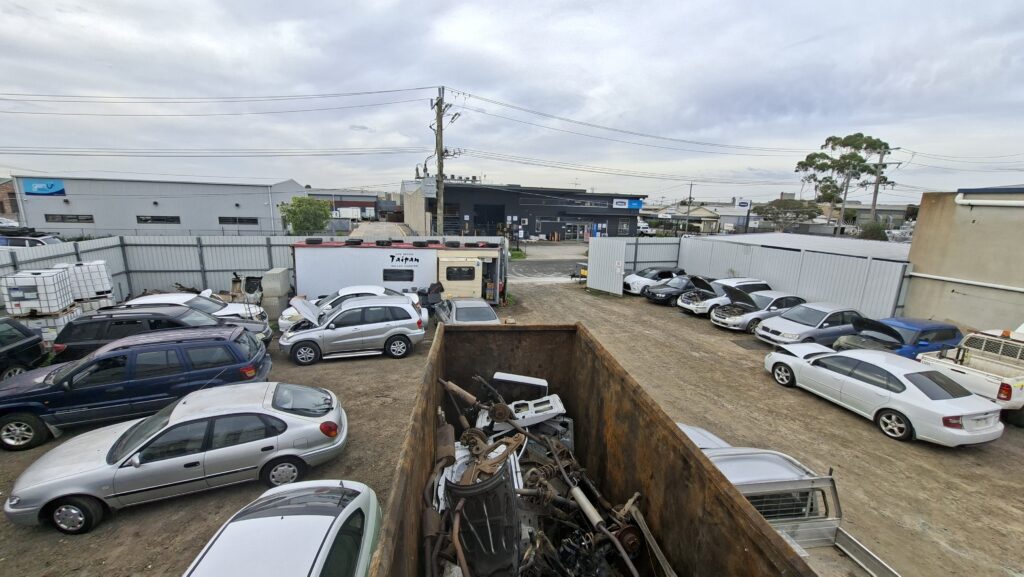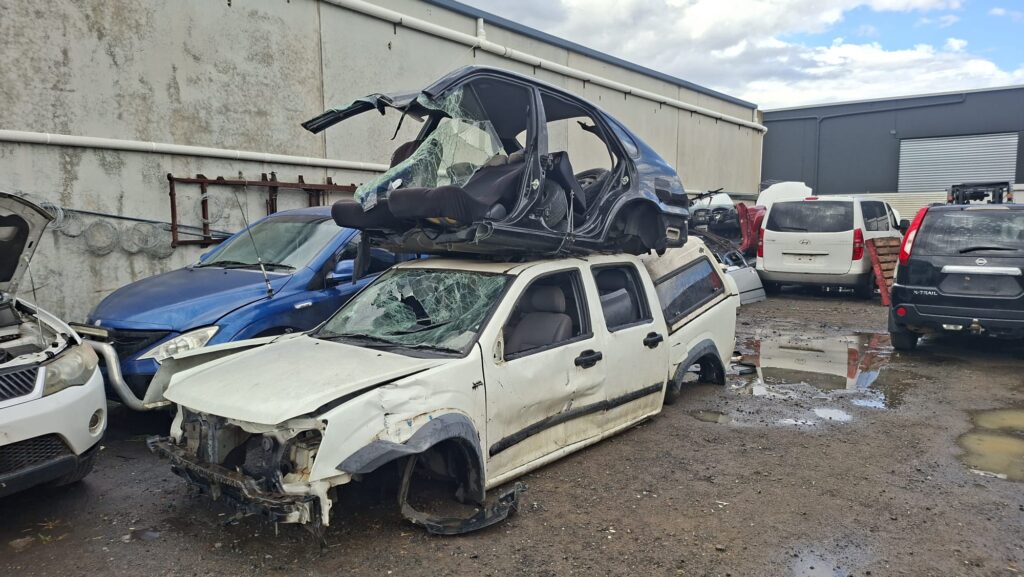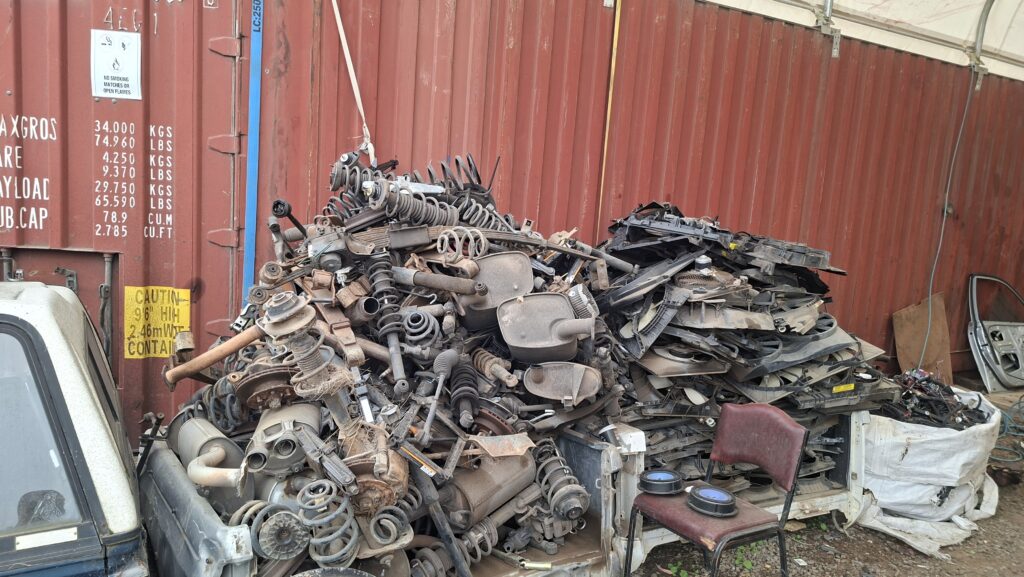
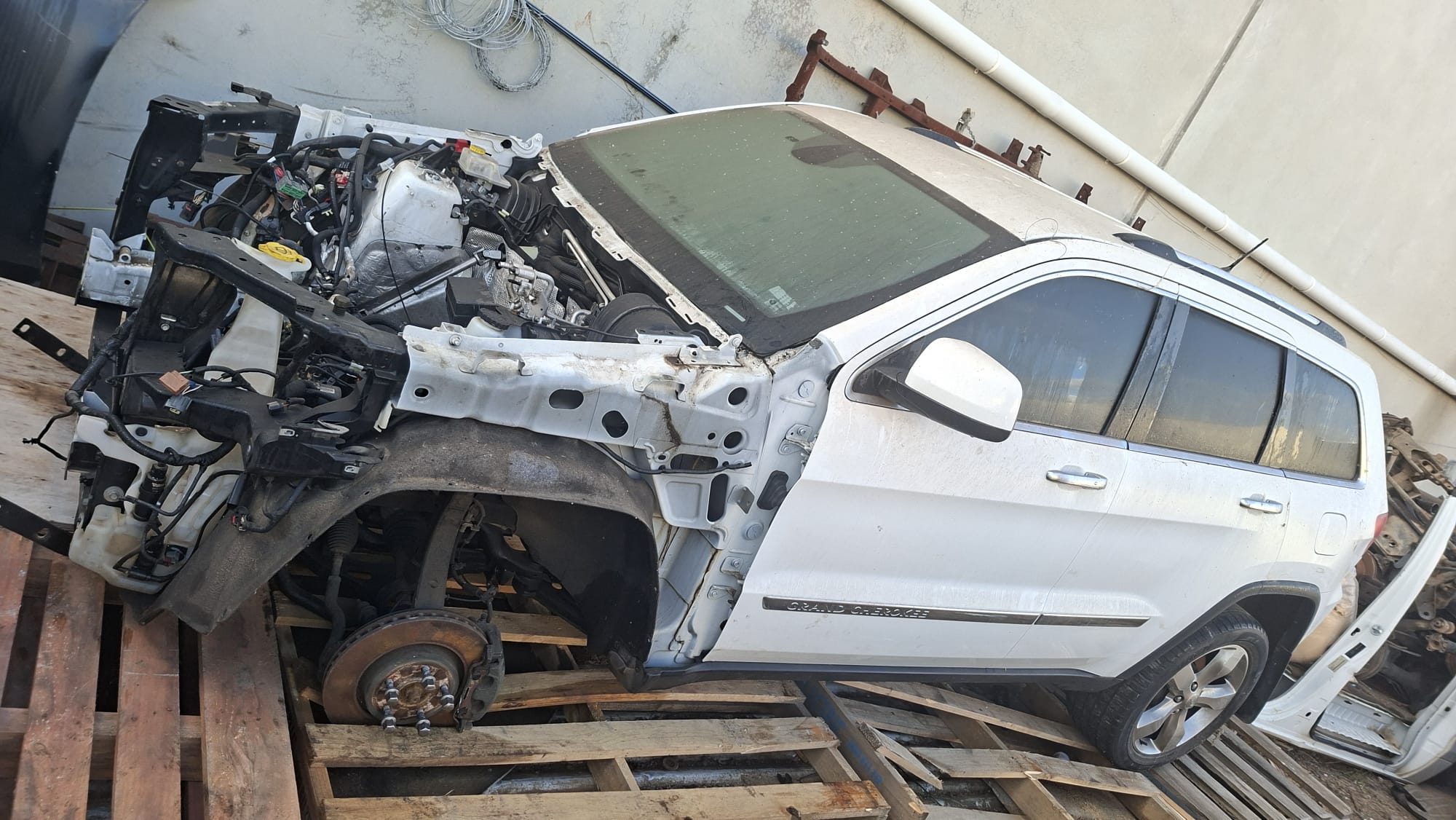
If you’re planning to sell an old, damaged, or unwanted vehicle, one of the first questions you’ll probably ask is, “How do car wreckers decide what my car is worth?” Many people assume that the offer is based only on the vehicle’s age or whether it still runs. In reality, professional car wreckers in Geelong evaluate multiple factors before determining a vehicle’s value.
Every vehicle is different. A ten-year-old car in excellent condition may be worth more than a newer vehicle that has suffered major accident damage. Similarly, a non-running vehicle can still have significant value because of its reusable parts and recyclable materials.
Understanding how professional auto wreckers calculate vehicle value will help you know what to expect before requesting a quote and explain why offers can vary from one vehicle to another.
Quick Answer
Professional car wreckers in Geelong calculate a vehicle’s value by assessing its make, model, age, condition, demand for reusable parts, scrap metal content, market trends, and recycling potential. Rather than focusing only on whether the vehicle can be driven, they evaluate the overall value that can be recovered through dismantling, parts reuse, and responsible recycling.
Key Takeaways
- Vehicle value is based on several factors, not just age.
- Running and non-running vehicles can both have value.
- Reusable parts often increase a vehicle’s worth.
- Scrap metal prices influence vehicle assessments.
- Accurate vehicle information helps provide a fair valuation.
Why Every Vehicle Has a Different Value
No two vehicles are exactly the same.
Even two identical models can receive different assessments depending on their condition, service history, accident damage, and the demand for replacement parts.
Professional Geelong auto wreckers evaluate each vehicle individually rather than using a fixed price list.
This approach allows them to determine the true recycling and resale potential of every vehicle.
Vehicle Make and Model
One of the first things a professional vehicle recycler considers is the make and model.
Some vehicles have a much higher demand for used parts than others.
Popular manufacturers include:
- Toyota
- Ford
- Holden
- Mazda
- Hyundai
- Kia
- Nissan
- Mitsubishi
Because replacement parts for these brands are frequently requested, vehicles from these manufacturers may contain components with greater resale value.
Why It Matters
High-demand parts often increase the overall value of a vehicle.
Vehicle Age
Age is another important consideration, but it isn’t the only factor.
Older vehicles may have:
- Higher mileage
- More wear and tear
- Rust
- Outdated technology
However, many older vehicles also contain parts that are difficult to find, making them valuable for repairs and restoration projects.
Older Doesn’t Always Mean Less Valuable
Some older vehicles continue to attract strong demand because of the availability of reusable mechanical components.
Overall Vehicle Condition
Condition plays a major role in every assessment.
Professional auto wreckers inspect factors such as:
- Engine condition
- Transmission
- Suspension
- Interior
- Exterior damage
- Structural integrity
- Rust
The better the overall condition, the greater the opportunity to recover reusable parts.
Demand for Used Auto Parts
Not every vehicle is dismantled purely for its scrap metal.
Many vehicles contain components that can be reused.
These commonly include:
- Engines
- Gearboxes
- Alternators
- Starter motors
- Doors
- Mirrors
- Headlights
- Wheels
- Air conditioning components
If demand for these parts is high, the vehicle’s value may also increase.
Why Parts Demand Changes
Demand often depends on:
- Vehicle popularity
- Availability of new parts
- Number of similar vehicles on the road
Scrap Metal Content
Once reusable parts have been removed, the remaining vehicle still contains valuable recyclable metals.
These include:
- Steel
- Aluminium
- Copper
- Cast iron
Metal recovery forms an important part of the overall vehicle valuation.
Larger Vehicles Often Contain More Metal
Vehicles such as:
- SUVs
- 4WDs
- Vans
- Utes
usually contain more recyclable metal than smaller passenger cars.
Registration Status
Registration does not automatically determine value.
Professional vehicle recyclers regularly purchase:
- Registered vehicles
- Unregistered vehicles
- Expired registration vehicles
Registration simply provides additional information about the vehicle.
Running vs Non-Running Vehicles
A common misconception is that only running vehicles have value.
This is incorrect.
Many vehicles with:
- Engine failure
- Transmission damage
- Electrical faults
- Accident damage
continue to contain valuable components.
Professional car wreckers assess the entire vehicle rather than focusing only on whether it starts.
Vehicle Weight Plays a Bigger Role Than Many People Realise
One of the biggest factors many vehicle owners overlook is weight. Since every vehicle contains recyclable metals, heavier vehicles generally provide more recyclable material than smaller passenger cars.
Professional car wreckers in Geelong consider the amount of recoverable metal during the valuation process.
Vehicles that often contain more recyclable material include:
- SUVs
- 4WDs
- Utes
- Vans
- Light commercial vehicles
This doesn’t automatically mean every larger vehicle receives a higher valuation, but recyclable metal is one of several factors that contributes to the overall assessment.
Why Weight Matters
The greater the amount of recyclable steel, aluminium, and other metals, the greater the potential recycling value after dismantling.
Current Scrap Metal Market Conditions
Vehicle valuations don’t remain the same throughout the year.
Just like many other industries, automotive recycling is influenced by market conditions. The value of recyclable metals changes over time based on supply and demand.
Professional Geelong auto wreckers monitor these market trends because they directly influence vehicle recycling values.
Market conditions may affect:
- Steel prices
- Aluminium demand
- Copper values
- Recycling industry demand
Why Offers Can Change
Two similar vehicles sold at different times may receive different valuations because recycling market conditions have changed.
Missing or Damaged Parts
A vehicle’s completeness can also influence its overall value.
If major components have already been removed, there may be fewer reusable parts available.
Examples include:
- Missing engine
- Missing gearbox
- Missing catalytic converter
- Missing wheels
- Missing battery
However, even incomplete vehicles often contain recyclable materials that still make them worth purchasing.
Vehicle History
Professional auto wreckers also consider the vehicle’s history when assessing its recycling potential.
This may include:
- Previous accident damage
- Flood damage
- Fire damage
- Mechanical failures
- Long-term storage
These factors help determine which components may still be suitable for recycling or reuse.
How Professional Car Wreckers Assess a Vehicle
Rather than relying on guesswork, experienced vehicle recyclers follow a structured assessment process.
A typical valuation includes:
Step 1 – Vehicle Identification
The assessor reviews:
- Make
- Model
- Year
- Vehicle type
Step 2 – Condition Assessment
The overall condition is evaluated, including:
- Mechanical systems
- Exterior
- Interior
- Structural damage
- Missing components
Step 3 – Parts Evaluation
Reusable parts are identified based on their condition and market demand.
Step 4 – Recycling Assessment
The remaining recyclable materials are estimated.
Step 5 – Final Valuation
All assessment factors are considered together before determining the vehicle’s overall value.
Vehicle Valuation Factors at a Glance
| Valuation Factor | Impact on Assessment |
|---|---|
| Make & Model | Determines demand for replacement parts |
| Vehicle Age | Indicates potential wear and component availability |
| Mechanical Condition | Affects reusable parts |
| Accident Damage | Influences recoverable components |
| Scrap Metal Content | Contributes to recycling value |
| Weight | Larger vehicles often contain more recyclable material |
| Parts Demand | High-demand parts may increase value |
| Market Conditions | Recycling prices fluctuate over time |
| Vehicle History | Helps assess overall recycling potential |
Common Myths About Vehicle Valuation
Myth 1: Older Cars Have No Value
Older vehicles often contain valuable engines, gearboxes, catalytic converters, and recyclable metals.
Myth 2: A Car Must Be Running
Many non-running vehicles still contain reusable components that retain value.
Myth 3: Accident-Damaged Cars Are Worthless
Collision damage rarely affects every component. Undamaged parts can often still be recovered.
Myth 4: Registration Determines Vehicle Value
Registration status is only one small factor. The vehicle’s condition and recycling potential are usually much more important.
Expert Tips to Maximise Your Vehicle’s Value
Although every assessment is different, these practical steps can help.
- Provide accurate vehicle information.
- Mention any missing parts.
- Inform the buyer about accident damage.
- Remove personal belongings before collection.
- Keep available ownership documents ready.
- Compare experienced local car wreckers in Geelong instead of making a decision based only on one quote.
Being transparent helps ensure a smoother assessment process.
People Also Ask
How do car wreckers determine what my vehicle is worth?
They assess the make, model, age, condition, reusable parts, recyclable metals, and current market demand before calculating the vehicle’s overall value.
Does a vehicle need to be running?
No. Many non-running vehicles still contain valuable parts and recyclable materials.
Do larger vehicles receive higher valuations?
Not always, but larger vehicles generally contain more recyclable metal, which may influence the assessment.
Does registration affect the vehicle’s value?
Registration provides useful information, but it is not the primary factor in determining value.
Why do vehicle offers sometimes change?
Recycling market conditions and demand for used parts change over time, which can affect vehicle valuations.
Frequently Asked Questions
What is the most important factor in vehicle valuation?
There is no single factor. Professional car wreckers consider the vehicle as a whole before determining its value.
Do damaged vehicles still have value?
Yes. Even heavily damaged vehicles often contain reusable components and recyclable materials.
Can I sell an unregistered vehicle?
Yes. Many professional auto wreckers purchase registered and unregistered vehicles.
Why do different companies provide different valuations?
Every company may assess market demand, recycling potential, and reusable parts slightly differently.
Can missing parts reduce my vehicle’s value?
Yes. Missing major components may affect the overall assessment, although the remaining recyclable materials can still retain value.
Final Thoughts
Professional car wreckers in Geelong use a structured and transparent process to calculate the value of every vehicle they purchase. Instead of focusing only on age or whether a car still runs, they consider a combination of factors including condition, reusable parts, recyclable metals, market demand, and overall recycling potential.
Understanding how vehicle valuations work helps owners make informed decisions and explains why no two vehicles receive exactly the same assessment. Whether your car is old, damaged, unregistered, or no longer running, it may still have value when assessed by an experienced vehicle recycler.